Glue & Heat Guns
Glue guns come down to control, run time, and whether a cord gets in the way. Mini glue guns suit lighter fixing and tighter work. Larger hot melt glue guns give you a steadier feed and less stopping to reload. Cordless glue guns help where access is awkward, but you give up some run time and often a bit of consistency. Check the glue sticks it takes before you buy.
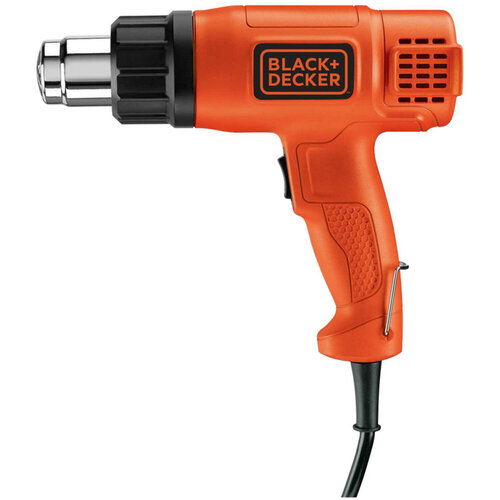
Black & Decker 1750W Heat Gun - 230V
Corded 1750W heat gun with two heat and airflow settings
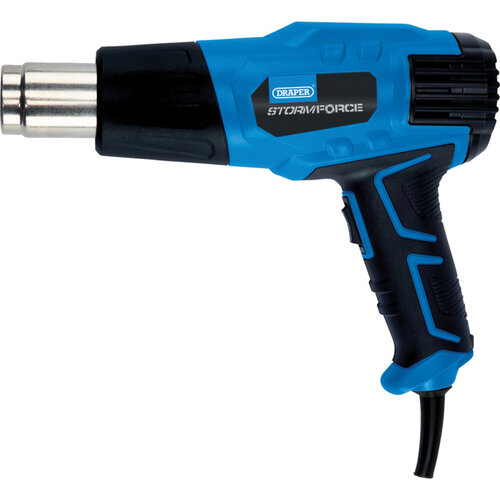
Draper 2000W Heat Gun - 230V
2000W corded heat gun with two heat/airflow settings and nozzle set
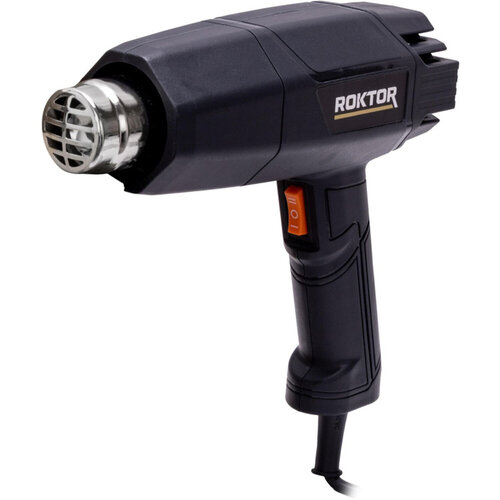
ROKTOR 2000W Electric Heat Gun - 230V
2000W corded heat gun with two settings (450°C/600°C), includes nozzles and scra…
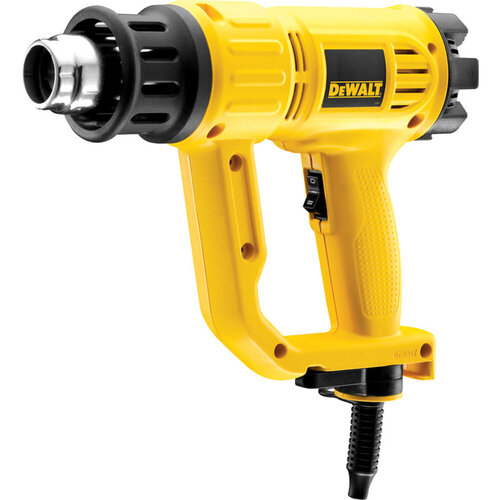
Dewalt D26411-GB 1800W Heat Gun - 240V
1800W corded heat gun with 2 temperature and airflow settings, 240V
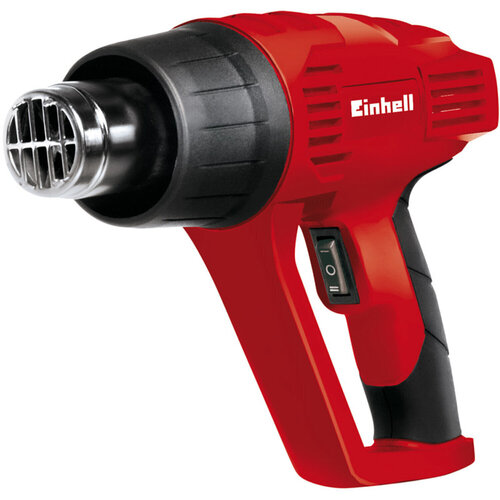
Einhell TH-HA 2000/1 2000W Heat Gun - 230V
Einhell TH-HA 2000/1 2000W heat gun with dual temperature
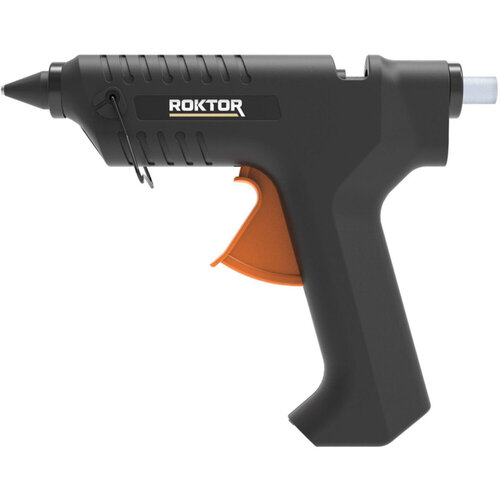
ROKTOR Electric Glue Gun - 230V
15W corded glue gun with built-in metal stand, includes 3 glue sticks
Dekton Glue Sticks - 12 Pack 11.2mm x 150mm Clear
Pack of 12 clear quick-drying glue sticks, 11.2mm x 150mm
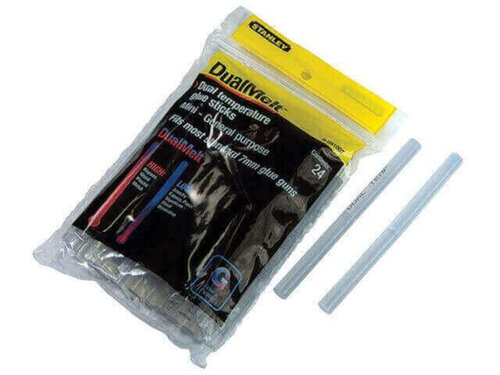
Stanley Dual Temp Glue Sticks - 11.3mm x 100mm 24 Pack
All-purpose dual-temp glue sticks for craft, hobby and household bonding
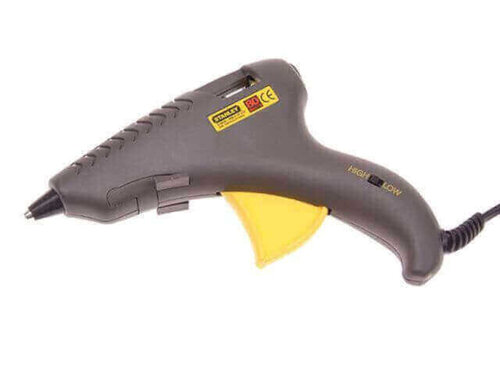
Stanley Heavy-Duty Glue Gun - 240V
240V heavy-duty glue gun with dual melt and fold-down stand
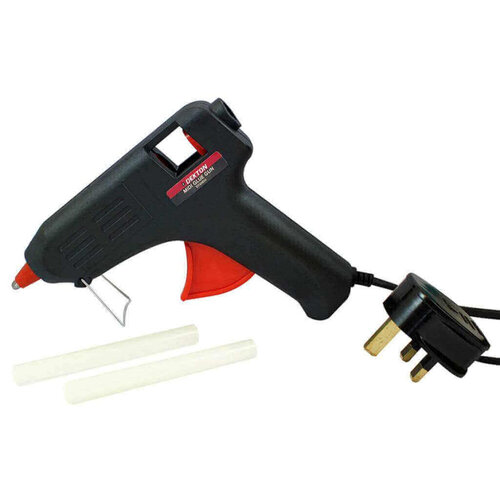
Dekton Mini Glue Gun - 40W 2 glue sticks
40W mini glue gun with precise trigger, includes 2 glue sticks
For the Trade
Start with where it’s going and how much room you’ve actually got, then work out how you’ll use it through the day. A compact glue gun is easier when access is tight. A larger hot melt glue gun usually makes more sense for longer runs when you don’t want to keep stopping. Cordless glue guns help when leads get in the way, but you’re then managing charge and warm-up as well as the job. After that, it usually comes down to pace and the glue sticks you’re already set up to use.
Glue & Heat Gun Options Compared
Corded and cordless glue guns are the first split. Corded models suit bench work and longer runs because they hold heat steady, and you are not watching battery life. Cordless glue guns make more sense when you are moving round a job or working away from a socket.
Hot melt glue guns are the usual pick for general trade use. They give you a more predictable bead and better control than lighter craft models. If you are buying for regular site work, trade glue guns are worth the extra spend. Cheaper electric glue guns can do lighter, occasional fixing, but they feel limited once you are using them all day. Keep the parent Power Tools page in mind if you are building out the rest of the kit.
Choosing Materials and Size
Size is usually the first call. Mini glue guns earn their keep where you’re working in a tight spot or only need a small bead. The trade-off is output. They’re slower when the work is repetitive.
Go bigger when you’ve got more to cover. You’ll stop to reload less often, which keeps the job moving.
Check the stick size as well. Glue sticks and glue gun sticks aren’t always interchangeable, and that’s the sort of thing that catches people out at the counter.
If you’re kitting out a van, Kits & Twinpacks can make more sense than buying singles. For jobs where the gun is only one part of the setup, Impact Drivers & Wrenches usually sits alongside it.
Completing the Setup
Once you’ve picked the glue gun, the next call is usually the consumables and the bits around the job. Glue sticks matter more than most people think - the wrong stick leaves you waiting on set or pulling joints apart later, and that’s where call-backs start.
If you’re doing a lot of repetitive fixing, keep enough glue gun sticks on hand so you’re not stopping mid-run. For a cleaner finish or awkward access, the nozzle choice can make a difference too, especially where you’re working close to a visible edge or into a tight corner.
Related searches
Local availability for Glue & Heat Guns






