Torque Wrenches
Torque wrenches come down to the job, the range you need, and how much room you’ve got to work in. For regular automotive work, click torque wrenches are often the first pick because they’re quick to set and easy to repeat. Beam torque wrenches suit a simple read, while digital torque wrenches give you a clear display but need more care. Match the tool to the fasteners you’re actually tightening, or the range will be wrong from the start.
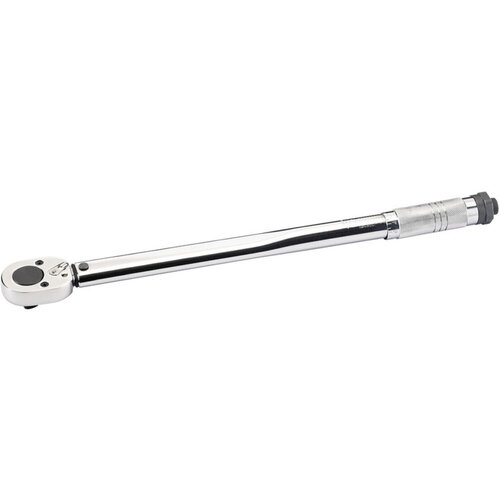
Draper Torque Wrench - 1/2''
Chrome vanadium steel torque wrench with 20-110 Nm range and ratchet head
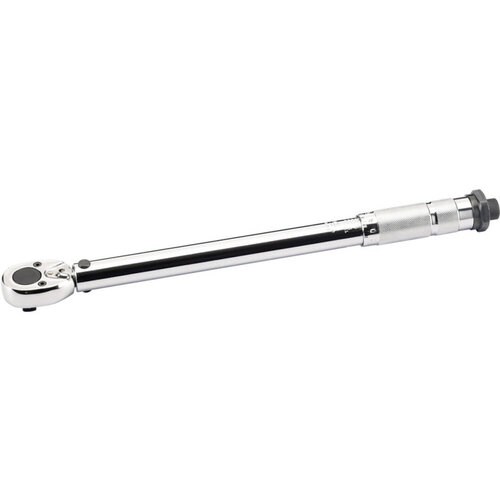
Draper Torque Wrench - 3/8''
3/8" drive torque wrench, 20-110 Nm, chrome vanadium steel
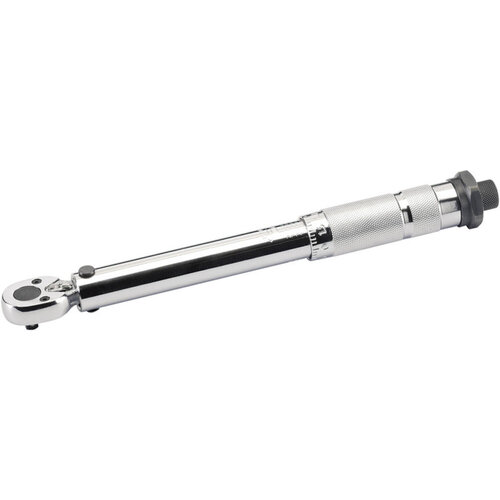
Draper Torque Wrench - 1/4''
1/4" drive torque wrench, 20-110 Nm, chrome vanadium steel
For the Trade
Start with the space you’ve got and how the tool will be used, then the rest follows. In tight bays or around awkward fixings, a shorter torque wrench is usually easier to live with than a longer one with extras you won’t use. Click torque wrenches are the usual pick when you want a clear release on repeat jobs. Beam torque wrenches stay simple because there’s no mechanism to rely on. Digital torque wrenches suit jobs where the reading needs to be obvious at a glance. The one that comes back is often the one that was awkward to use in the first place.
Popular Torque Wrenches Formats
Click torque wrenches suit regular workshop work. They set quickly and stay easy to use through the day.
Beam torque wrenches are the simpler option. They avoid a mechanism, so there is less to go wrong, but you give up speed and convenience.
Digital torque wrenches give you a clear readout and reduce guesswork. The trade-off is batteries and a bit more care.
For heavier automotive work, a 1/2 inch torque wrench is usually the one you reach for. Smaller drives help when access is tight. If you’re building out Mechanic's Tools, drive size is often what narrows the choice first.
Key Differences When Choosing
Drive size, the range you need, and the space around the fastener usually decide the choice. A 3/8 inch torque wrench works well where access is tight and the torque range is lighter. A 1/2 inch suits heavier automotive work because it handles larger fixings and higher settings with less strain.
For mixed workshop use, a torque wrench set can be the cleaner buy. It gives you more coverage without forcing one tool to do every job. If the work already runs on air kit, check it against Air Compressors and Air Tools before you buy.
Next Decisions After Choosing
Once you’ve picked the wrench, the next call is what sits around the job. If access is tight, keep storage and socket layout simple so you are not hunting for the right piece halfway through.
Where the job runs alongside other workshop work, a tidy set-up matters more than most people think. Lost time usually comes from missing sockets, not the wrench itself. Build out the rest of the kit around the vehicle work, then add only the tools that keep the job moving.
Related searches
Local availability for Torque Wrenches

