Boiler Suits & Coveralls
Boiler suits & coveralls come down to how much of the body you need covered, how hard the kit will be worked, and whether you need a cleaner barrier against dust, paint or site muck. Lighter suits are easier to wear through the day. Heavier fabric and stronger fastenings tend to hold up better when you’re crawling about or changing in and out of it often. Fit matters too, especially through the shoulders and legs, because poor movement is where most problems start.
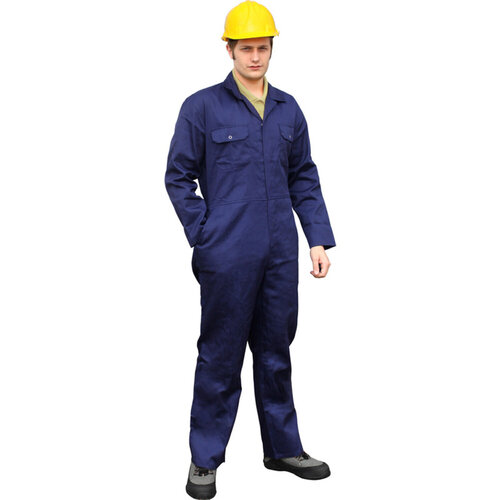
Boiler Suit - X Large
X large navy polycotton boiler suit with concealed stud front and multiple pocke…
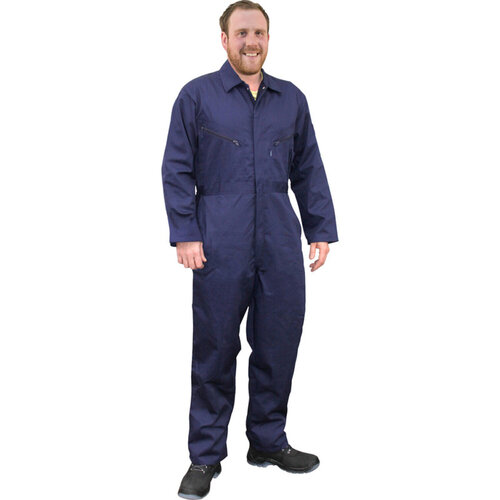
Zip Front Coverall - Medium
Navy zip-front coverall, size Medium, durable polycotton, action back
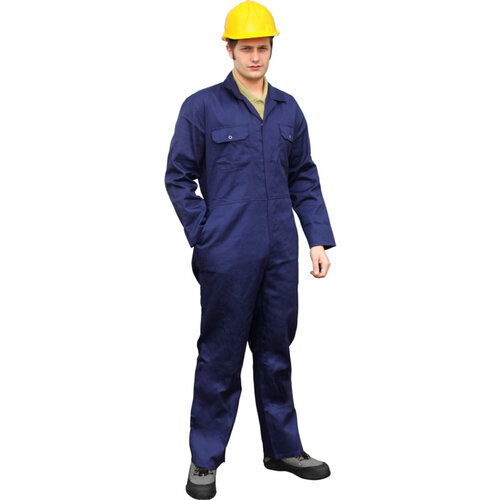
Boiler Suit - Large
Large navy polycotton boiler suit with concealed stud front and multiple pockets
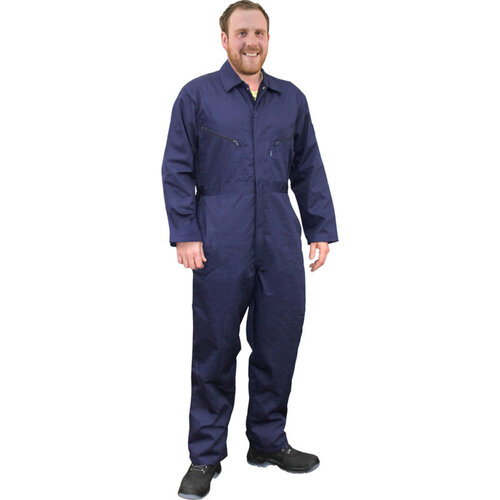
Zip Front Coverall - X Large
Navy zip-front coverall, size X Large, durable polycotton, action back
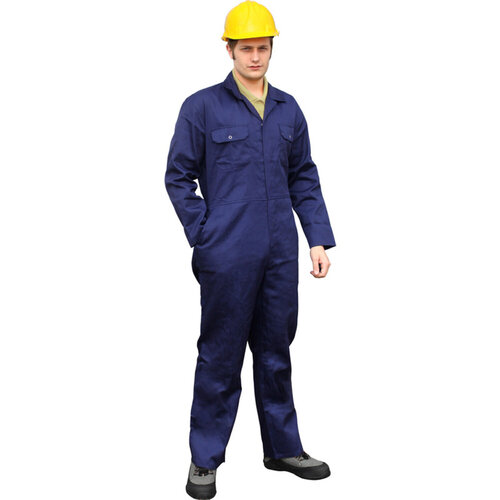
Boiler Suit - Medium
Medium navy polycotton boiler suit with concealed stud front and multiple pocket…

Economy Disposable Coverall
Disposable coverall for protection against dust and non-hazardous liquids
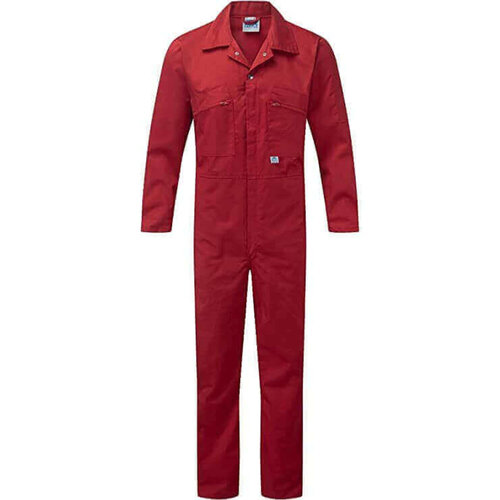
Boilersuit - 36in
Fit For The Job boilersuit, UK size 36in
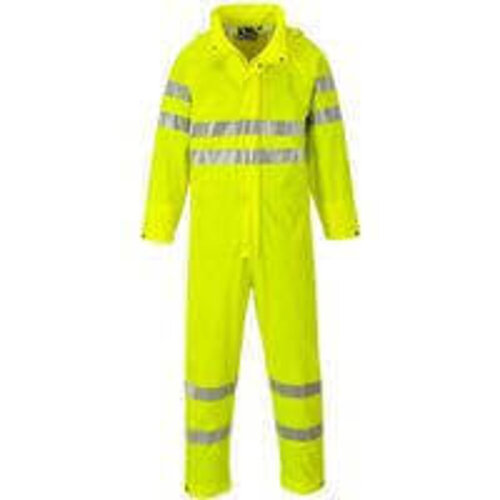
Portwest Coverall Sealtex - Yellow Small
Yellow hi-vis waterproof coverall with welded seams and reflective tape, CE cert…
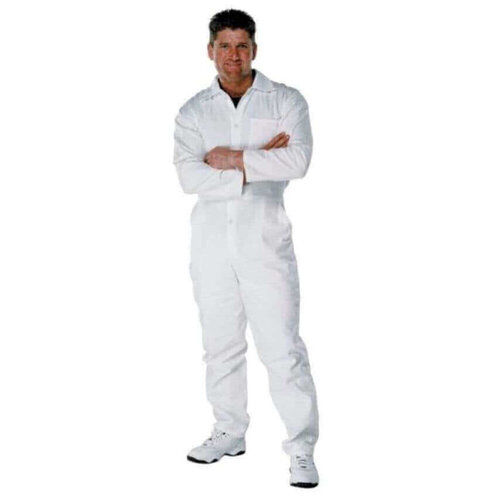
C/Drill Boilersuit - 46in - White
46in white cotton drill boilersuit with multiple pockets and knee pad pockets
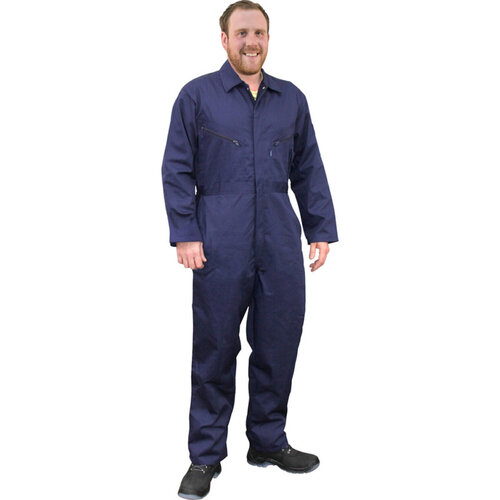
Zip Front Coverall - Large
Navy zip-front coverall, size Large, durable polycotton, action back
For the Trade
Start with the system and flue before you look at anything else. That usually rules the job in or out. With boiler suits & coveralls, narrow it by what needs covering, how hard it will be worked, and how much protection you need against dust, paint or site muck. On the heating side, condensing is the baseline on most modern jobs. Then check flue route, filter requirement, fuel type and who is legally fitting it. That is what keeps you off the wrong spec and avoids an awkward return.
Types of Boiler Suits & Coveralls
Start with how much of the job you want in one piece. A full coverall suits dirty work where you want fewer gaps and less snagging over layers. Separate overalls give you more room around the waist and make it easier to swap tops and trousers.
Zip front, elasticated back and pocket layout usually decide the rest. If it is awkward to get into or keeps catching on tools, it will not get used. Compared with the wider Workwear range, this is the option you pick when coverage matters more than mixing separate layers.
Selection Factors for Boiler Suits & Coveralls
Choosing boiler suits & coveralls starts with the job. A single garment keeps everything together through the day, but if you need to get in and out of it often, that can slow you down.
Heavier fabric takes more punishment and usually lasts better on rough work. The trade-off is movement. It feels less easy when you are climbing in and out of vehicles or working in tight plant rooms. Lighter options are easier to wear, but they will show wear sooner.
Check the fastening and pocket layout as well. If it catches or loads up badly, it ends up left in the van. If you are adding extras, Workwear Accessories usually gets sorted at the same time. For cutting work, Chainsaw Clothing is the separate call.
Finish the Room
Once you’ve picked boiler suits & coveralls, the next call is what the rest of the job needs around them. If the work is wet or filthy, waterproof suits or other waterproof workwear usually sit next in the order, because a coverall alone will not keep a crew dry for long.
Cold jobs push you towards work fleeces, work hoodies or a body warmer under or over it. Heated workwear only makes sense where the site and power setup justify it. For cutting work, chainsaw clothing is a separate spec altogether, and that is one you do not mix up at the counter.
Related searches
Local availability for Boiler Suits & Coveralls






