Building Ventilation
Building ventilation usually comes down to the air change you need, the space you’re working on, and whether passive or mechanical suits the job. Natural ventilation works for simple background control. Mechanical ventilation is the better fit when airflow needs to stay more consistent.
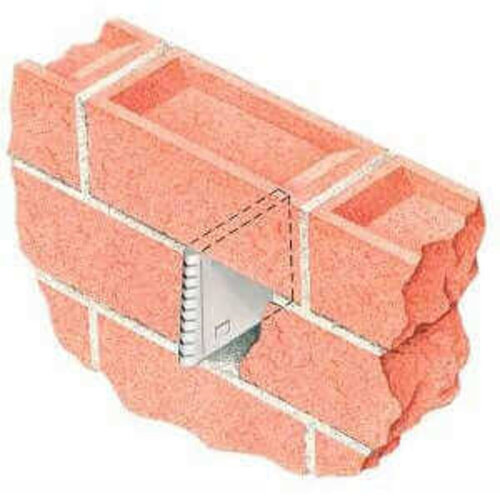
Brick Weep and Cavity Ventilator Caviweep - Terracotta
Terracotta dual-function weep and cavity ventilator with insect-resistant grille…
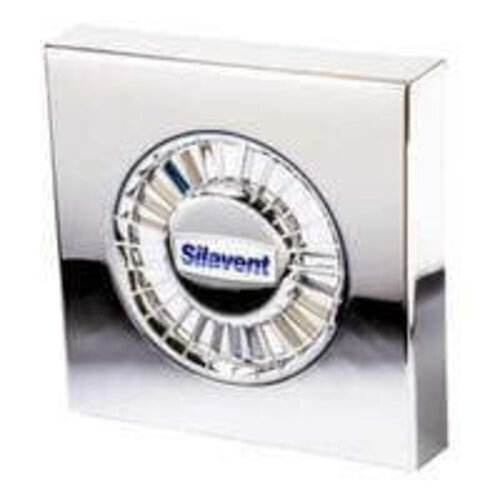
Domus SDS Fan Front Cover - Chrome
Chrome fan front cover for Domus SDS fans.
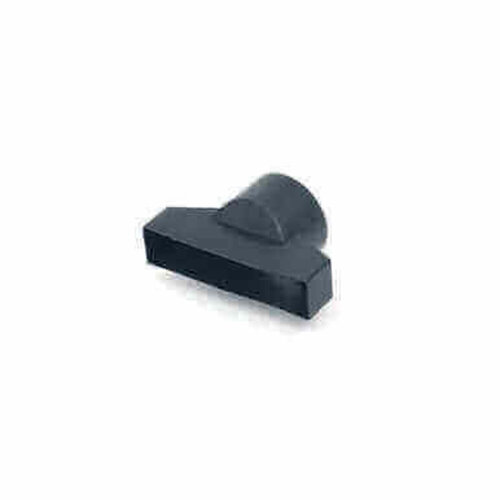
Timloc Underfloor Vent Duct Adaptor - 110mm
Connects 110mm drainage pipe to telescopic underfloor ventilators
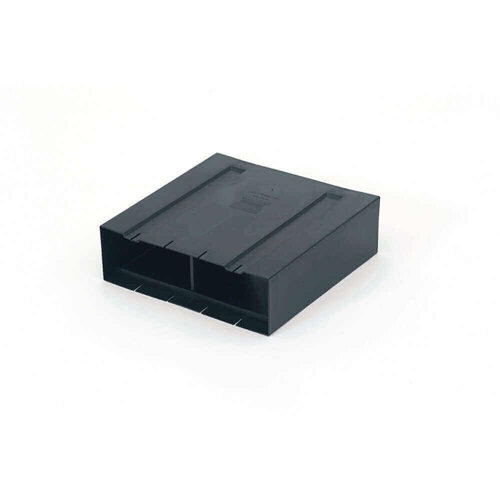
Timloc Cavity Sleeve - 215mm x 69mm Black
Black UV-stabilised cavity sleeve 215mm x 69mm for wall ventilation
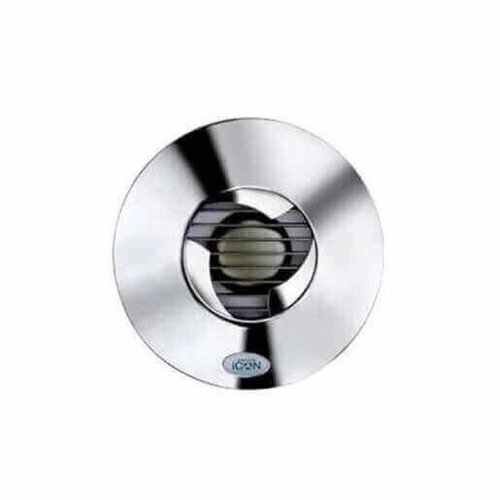
Airflow Icon15 Cover - Chrome
Chrome cover for Airflow Icon15
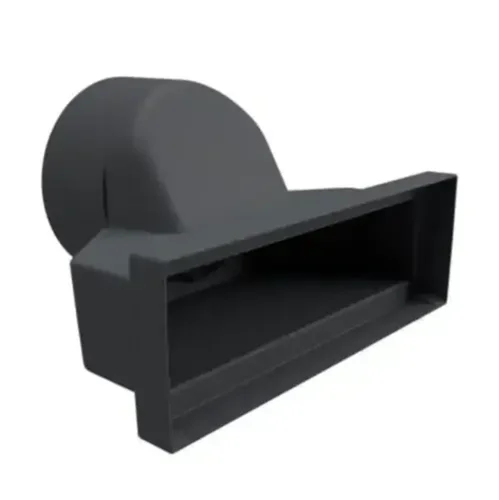
Manthorpe Remote Void Vent - 100mm outlet, 120mm x 240mm x 245mm
Adapter to connect Manthorpe void vents to a 100mm pipe, 8,800mm² airflow
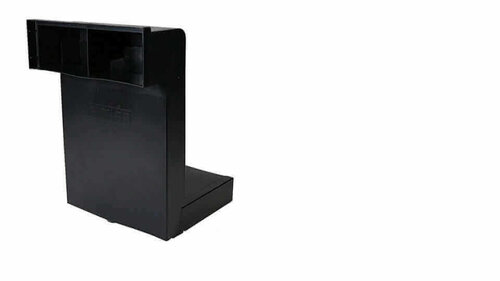
Timloc Telescopic Cranked Underfloor Vent - XL Black (5-7 courses)
Telescopic underfloor vent for suspended floors, black, adjustable
For the Trade
Start with the space you’ve got and how the building is being used, because that usually narrows building ventilation faster than arguing over finishes or accessories. Tight plant rooms, long runs and awkward access push you one way. Open areas with decent natural movement push you another. Mechanical ventilation suits jobs where you need controlled air change and can’t rely on the building doing the work. Natural ventilation is still the simpler call where the layout allows it. The mistake I see is buying to the spec before checking the room. That’s when you end up with kit that’s right on paper but awkward on site.
Building Ventilation Options Compared
Mechanical ventilation suits jobs that need predictable air change. You get control, which is why it shows up where consistency matters.
Passive ventilation fits simpler layouts and lower-maintenance installs. The trade-off is less control when conditions shift.
Natural ventilation can work where the building already has enough air path. It is the least consistent option, so performance depends more on what else is happening in the space.
For trade building ventilation, the choice usually comes down to control, simplicity, or the cheapest workable answer. If you are comparing the full range, start at Ventilation.
Choosing Materials and Size
What usually decides it is the air change you need, how much room you have for the kit, and whether the job can rely on natural ventilation or needs a mechanical setup to keep performance steady.
For a straightforward building ventilation job, passive parts are usually the cheaper route and keep maintenance down. The trade-off is simple: they depend on the building doing some of the work.
Mechanical options cost more and need more to go right, but you pick them when the space will not give you consistent airflow.
If the brief also calls for temperature control, Air Conditioning is the next conversation. If the issue is airborne particles rather than air change, Air Purifiers is the better fit.
Completing the Setup
Once the main spec is set, the next call is usually the surrounding finish: panels, screens, storage and the bits that keep the plant area tidy and serviceable. In building ventilation jobs, that often means choosing access and finish items that suit the room, not just the unit.
A neat screen or panel can hide the kit without boxing it in. The wrong finish gets damaged the first time someone needs back-in access. If the job sits alongside other services, keep clear what still needs to be reached. That is where the call-backs usually start.
Related searches
Local availability for Building Ventilation






