Garage Doors
Garage doors come down to opening type, headroom, and how often you’ll use them. Roller garage doors suit tight driveways and limited ceiling space, while sectional garage doors give a neater seal and better insulation. Up and over garage doors still work well on straightforward replacements, and steel or insulated options suit garages that need a tougher, lower-maintenance finish.
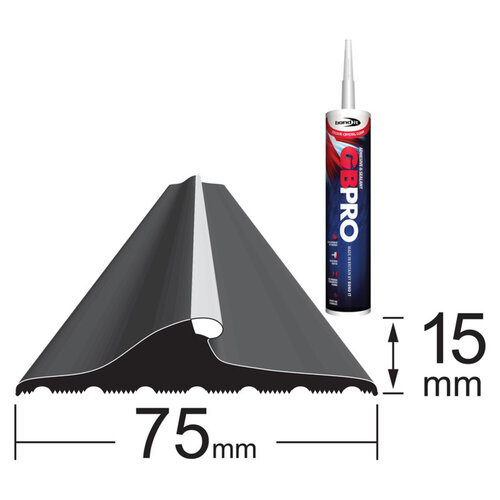
Stormguard Garage Door Threshold - 2515mm
Stormguard garage door threshold for sealing gaps 5-13mm, 2515mm length.
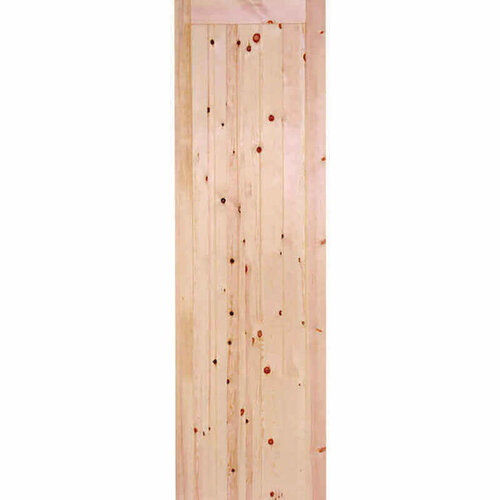
LPD Ledged and Braced Redwood External Door - 1981mm x 914mm x 44mm
Redwood external garage door, ledged and braced, unfinished, 1981x914x44mm.
For the Trade
You’re usually narrowing garage doors on three things first: space, how the door gets used, and what the opening will take. Tight canopy or headroom rules some options out straight away. On a replacement, the existing frame, fixings, and what’s already there often matter more than the brochure spec. For a busier opening, you’ll usually lean towards a door that’s easier to operate day in, day out. For a one-off fit, the simplest swap is often the one that keeps the job moving.
Garage Door Options Compared
If you’re sorting garage doors for a job, start with the opening and how the door needs to move. Up and over garage doors still suit straightforward swaps where you want a simple mechanism and do not need the full opening every time. Sectional garage doors work better when you want the door to travel back in sections and keep the front clear.
Roller garage doors suit tighter headroom and give a cleaner lift, but you give up some of the simpler hardware you get with an up and over. If the door is being motorised, electric garage doors are worth pricing in early. Manual garage doors still make sense where you want to keep the spec basic. Insulated garage doors usually come into play when the garage is used for more than storage.
If you’re comparing the wider range, start from Doors & Door Fittings and narrow it from there.
Choosing Materials and Size
Material is usually where you narrow it down.
Steel garage doors suit jobs where you want a firmer enamelled face and better resistance to daily knocks. The trade-off is weight. You notice it as soon as you start handling them.
Aluminium garage doors are lighter and easier to move around. That helps on awkward access or when you are working alone. The compromise is a less solid feel. On a replacement garage door, that handling difference can matter as much as the finish.
If the job also ties into adjacent openings, check the matching Doors or Porches range before you commit.
Completing the Setup
Once the door’s chosen, the next call is usually the bits around it - trims, seals, threshold details, and any matching side panels or screens where the opening needs tidying up. That’s where garage door jobs get held up. The door is sorted, but the surround still needs finishing to suit the frame and the weather exposure.
If the opening is being altered, check the adjacent doors and porches at the same time so you’re not back later patching around a mismatch. On a replacement, the usual miss is ordering the main door and leaving the finishing pieces to chance.
Related searches
Local availability for Garage Doors


