Mirror Adhesives
Mirror adhesive is usually picked for the fixing method first. You might need a solvent-free, low-odour product for enclosed rooms, or a firmer grab where the mirror needs holding while it cures. The other call is the backing and the surface. Some jobs need compatibility with mirror backing paints and a bit of tolerance for small irregularities.
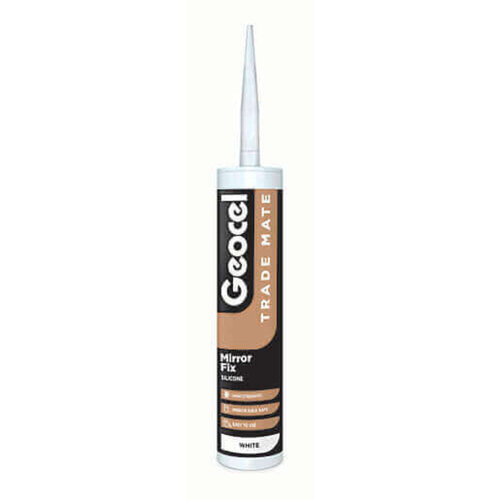
Geocel Trade Mate Mirror Fix - 310ml White
310ml white silicone sealant for fixing mirrors and coated glass panels internal…
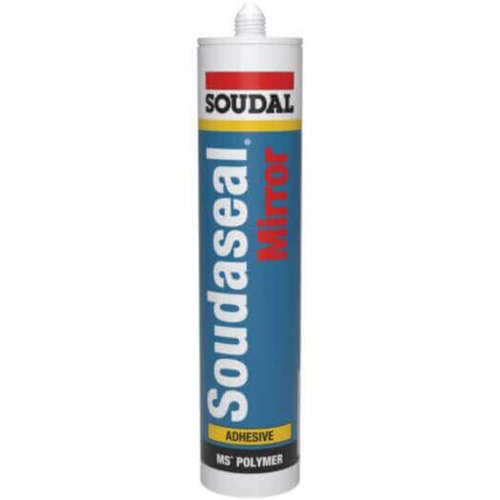
Soudal Soudaseal Mirror Adhesive - 290ml Grey
Neutral mirror adhesive for flexible bonding, 290ml grey
Everbuild Everflex Mirror Mate Adhesive - 290ml
Mirror adhesive, 290ml tube
For the Trade
Start with the space you’ve got and how the mirror will be used, then the rest falls into place. A mirror adhesive for a tight bathroom run is not the same call as one for a larger wall mirror where you need more working time and a cleaner finish. In a damp room, you usually want a product that handles moisture and keeps odour down. If the backing or wall is not perfectly flat, a bit of flexibility matters more than a hard, brittle grab. That is the detail that saves a return visit.
Types of Mirror Adhesives
Most mirror adhesive choices come down to how much support you want while it cures, and how much smell you can get away with.
A standard trade mirror adhesive is the usual pick when you want a straightforward fix and a bit of working time. It gives you a simple, familiar option for general mirror installs.
A solvent free mirror adhesive suits jobs where odour matters or you are working in a tighter enclosed area. Low odour mirror adhesive sits in the same camp. It makes more sense when other trades are still on site and you do not want complaints.
If you are comparing options across Adhesives & Glues, the trade-off is simple. Faster grab and cleaner handling usually mean less time to adjust.
Selection Factors for Mirror Adhesives
For mirror adhesive, start with what’s behind the mirror and how much movement you need to take out. A firmer grab suits a clean, flat fix where you want the panel held quickly.
A more forgiving product works better on slightly uneven backgrounds. That gives you a bit more tolerance where the surface is not perfect, and it helps stop the sheet from shifting later.
In tighter rooms, low odour and solvent free options are usually the cleaner call, especially when you’re working close to finished surfaces. If the job needs broad coverage or heavier contact areas, Contact Adhesives or Flooring & Carpet Adhesives are the better fit.
Finish the Room
Once the mirror is chosen, the next call is what sits around it. If the wall is still being finished with panels or a screen, sort the fixing method before the last trades are off site. A heavy panel or boxed-out return can change what you leave to adhesive alone.
Storage and furniture usually follow. At that point, access and fixing points matter more than the mirror itself. Keep the mirror adhesive choice in step with the rest of the wall build, especially if the final finish is still going in. A clean mirror install can be let down by a loose panel edge or a poorly planned trim line.
Related searches
Local availability for Mirror Adhesives




