Boilers
Boilers usually come down to what’s already in the property, how much hot water demand you’re dealing with, and whether you’re replacing like for like or changing the setup. Combi boilers suit tighter installs where you don’t want a cylinder taking space. System and regular boilers make more sense where stored hot water or existing pipework already points that way. Gas boilers are still the common call on many jobs, but electric boilers or oil boilers come into play when the fuel and supply situation rules the choice.
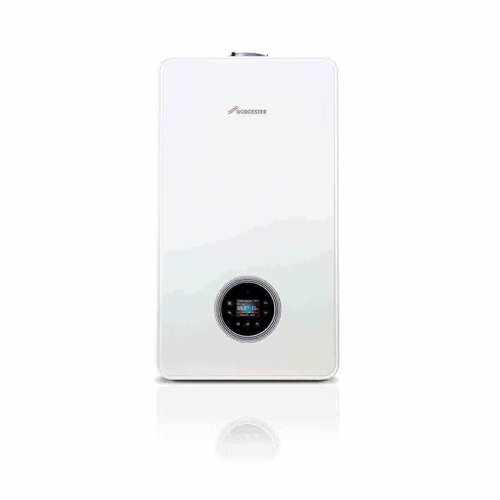
Worcester Bosch Greenstar Combi 4000 Boiler - 30kW
30kW gas combi boiler with 10.8 ltr/min flow rate and quiet operation.
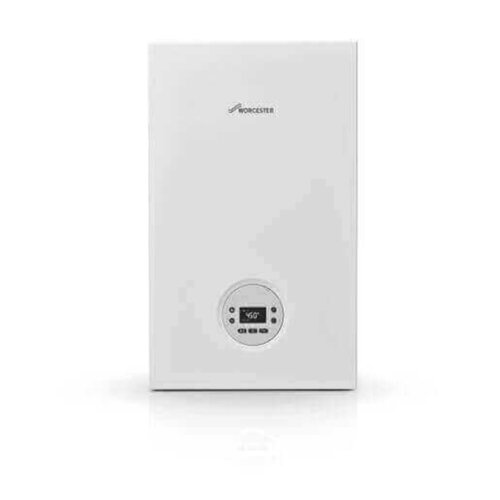
Worcester Bosch Greenstar 1000 Erp Combi Boiler - 30kW white
Worcester Bosch Greenstar 1000 30kW gas combi boiler, ErP A-rated, 5-year guaran…
Worcester Bosch Greenstar 1000 Combi - 24kW
24kW combi boiler for small-medium homes, ErP A-rated, 5-year guarantee
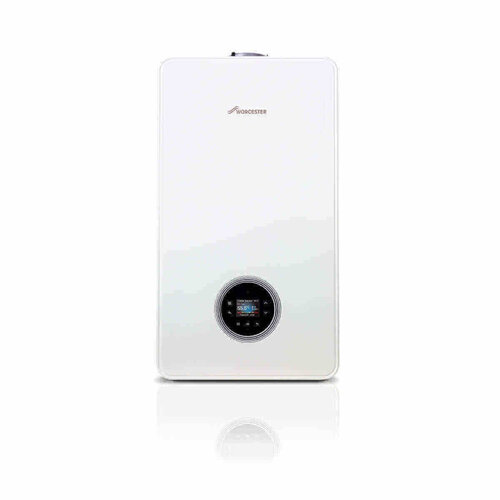
Worcester Bosch Greenstar Combi 4000 Boiler - 25kW
25kW gas combi boiler with ErP A-rating and quiet 42 dB operation
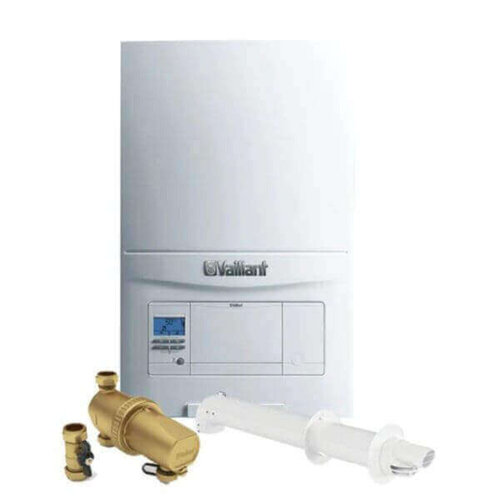
Vaillant Ecofit Pure 830 ERP Combi Boiler with Filter & Horizontal Flue Restart …
Combi boiler pack with filter and horizontal flue, compact cupboard fit
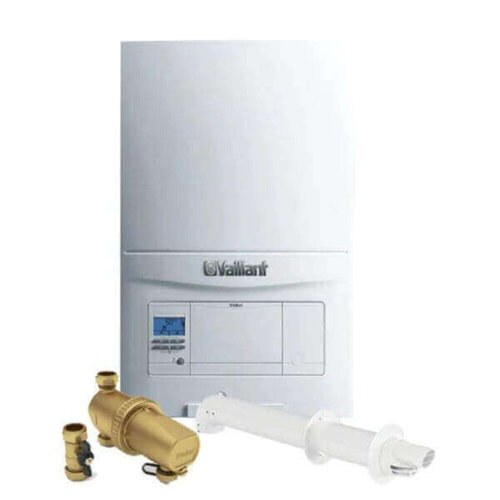
Vaillant Ecofit Pure 825 ERP Combi Boiler with Filter & Horizontal Flue Restart …
Vaillant Ecofit Pure 825 combi boiler with filter and horizontal flue kit
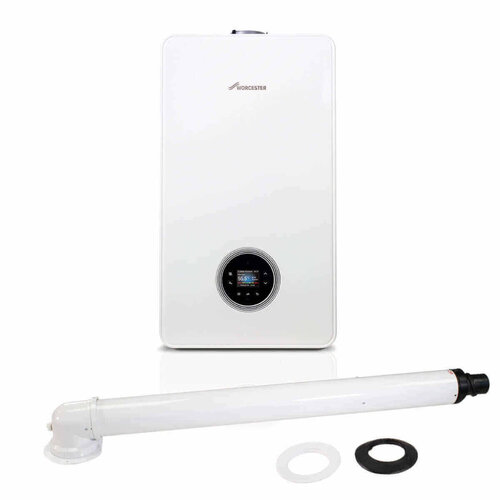
Worcester Bosch Greenstar 4000 Combi Horizontal Flue - 25kW
25kW ErP A-rated condensing combi boiler with quiet operation
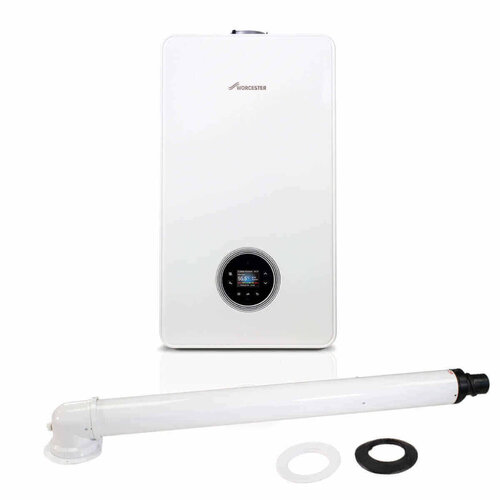
Worcester Bosch GS4000 Combi with Horizontal Flue - 30kW
30kW combi boiler, horizontal flue, quiet 45dB, 7-8 year guarantee
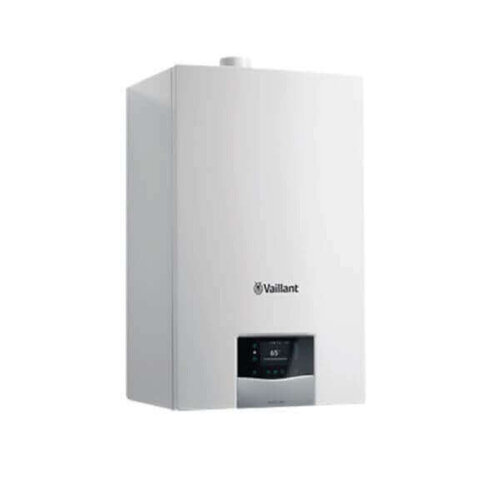
Vaillant Ecotec Plus 625 25kW System Boiler Only - Power
Vaillant ecoTEC plus 625 25kW system boiler, white, interior, smart home ready
Worcester Bosch Greenstar 2000 Combi Boiler - 30kW
Worcester Bosch 30kW combi boiler, ErP A-rated, 7-year guarantee.
For the Trade
Start with the space you’ve actually got and how the job needs to work, then the rest of the choice gets a lot clearer. On a tight swap, a compact combi is often the cleanest answer. If the property already relies on stored hot water, a system or regular setup usually keeps the spec closer to what’s there. Fuel and site conditions still matter - gas, electric and oil boilers each change the call. Layout comes first, because that’s where the wrong choice usually causes grief at install.
Boiler Types and Layouts
Combi boilers are the usual pick when you want one unit doing the lot and you are not building around a cylinder. They are quick to place, but they rely more on the incoming supply, so they are not the answer everywhere.
System boilers make more sense when the cylinder is staying in the job and hot water demand is steadier. Regular boilers still fit where the existing setup is already built around stored water and older pipework.
Electric boilers suit sites where gas is not an option, but running cost and electrical capacity usually decide that one quickly.
Most of the choice comes down to this. Keep the existing layout, or change it and take on the extra work. For the wider Central Heating range, that is the first split that matters.
What to Check Before You Buy
You’re usually choosing boilers on three things: what’s already in the property, what fuel you’re tied to, and how much room you’ve got for the rest of the kit. A combi keeps the setup lean where you do not want cylinders or tanks in the way. System and regular boilers make more sense when the existing layout already depends on stored hot water.
Electric boilers can suit sites without a gas or oil supply, but they are not the answer where demand is high. If you are pricing the job properly, do not forget the extras - Central Heating Accessories and Flues & Boiler Accessories are often what decides whether the swap is straightforward or turns into a return visit.
Useful Alongside Boilers
Once the boiler’s chosen, the next decisions are the parts around it that keep the job moving. Check the flue run first, then sort the controls and any boiler accessories before you leave the counter. That’s where delays usually start.
If you’re tidying the install at the same time, central heating accessories and finish items matter more than they look. On replacement boilers, check what’s already on site first. That shows what needs changing and what can stay.
Related searches
Local availability for Boilers