Electric Paint Sprayers
Electric paint sprayers suit jobs where speed and finish consistency matter more than brush or roller control. The choice comes down to the coating, the area, and how much masking you’re prepared to do. Handheld units work well on smaller runs and awkward access. Larger paint spraying machines make more sense when you have volume to cover and can keep the setup moving. Cordless models give you freedom on site, while mains units are usually steadier for longer sessions and heavier use.
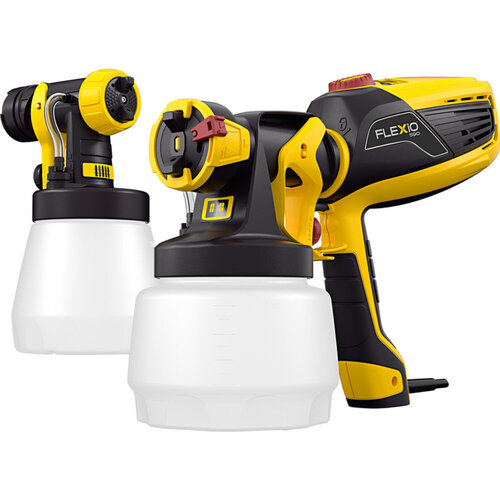
Wagner Flexio W590 Universal Sprayer - 230V
Wagner Flexio W590 230V universal sprayer, 2 tanks, adjustable flow, covers 15 m…
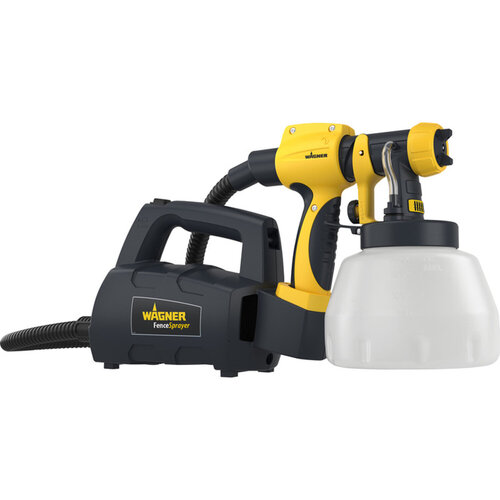
Wagner Fence & Decking Sprayer - 230V
230V electric fence and decking sprayer with 1400ml capacity and 1.8m hose
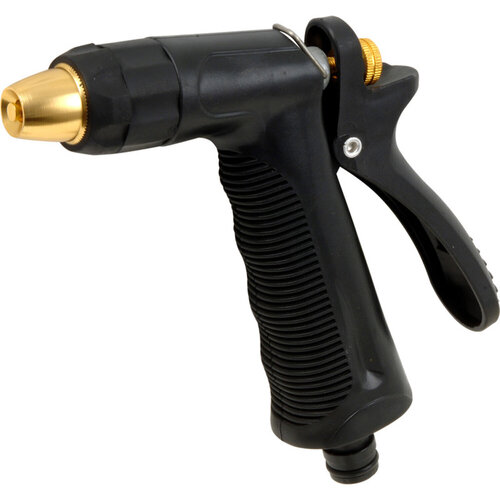
Heavy Duty Spray Gun
Heavy-duty spray gun with zinc alloy body, brass fittings, and lock-on
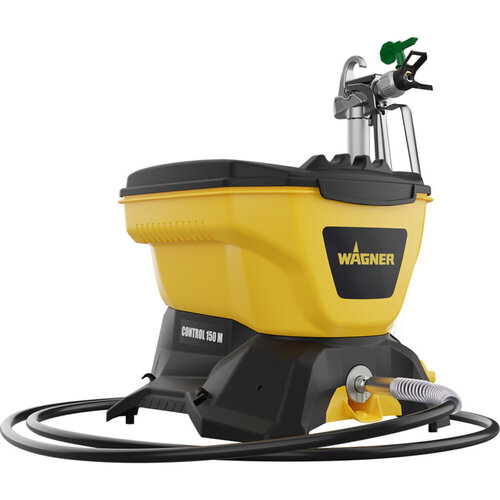
Wagner Control 150M High Airless Sprayer - 230V
Wagner Control 150M 230V airless paint sprayer, 5.5L hopper, 0.91L/min, 7.5m hos…
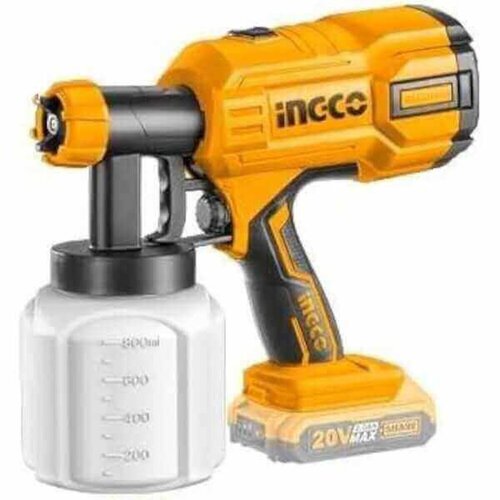
Ingco 20V Lithium-Ion Spray Gun - With battery and nozzles
20V lithium-ion cordless spray gun with battery and nozzles
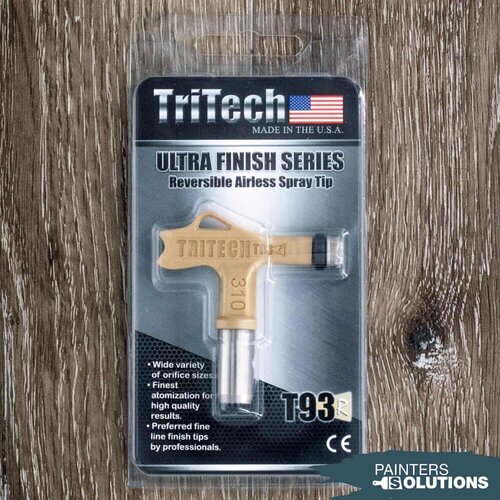
Tritech T93R Ultra-Finish Professional Airless Spray Tip - 201-310
Professional ultra-finish airless spray tip 201-310
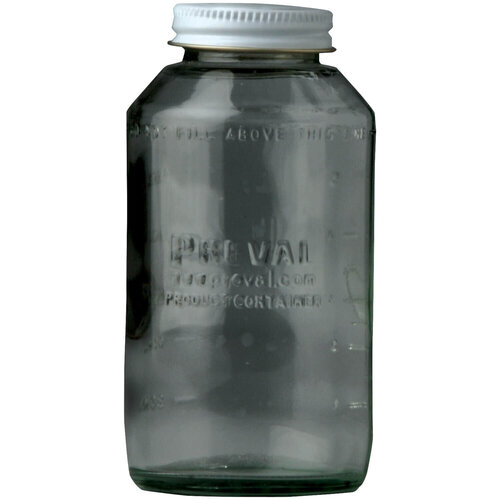
Preval Glass Spray Container - 6oz Replacement
6oz glass replacement spray container for Preval systems, impact-resistant
Ingco Industrial 220-240V HVLP Spray Gun
HVLP spray gun for industrial painting, 220-240V

TriTech Fine Finish Tips - 410
TriTech fine finish tips for electric paint sprayers, model 410
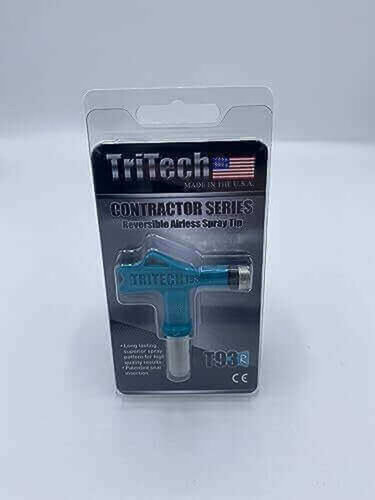
Contractor Tips - 200-311
Contractor tips, model 200-311, type Contractor
For the Trade
What matters first is how much you’re putting through it and how often you’ll be moving it. A cordless paint sprayer suits awkward access and short runs, but you give up runtime and usually some consistency against a mains paint sprayer. For a bigger programme, a paint spraying machine with a steadier feed is usually the safer call. Stoppages and refills slow the job down. Finish comes next. Some jobs will tolerate a low pressure paint sprayer. Others need a more controlled professional paint sprayer to keep overspray and rework down. If you need to work around tight access or a cramped layout, that handling difference matters more than the headline output.
Popular Electric Paint Sprayer Formats
If you’re choosing between electric paint sprayers, start with how much control you need against how much output you want. An electric spray gun suits smaller, tighter work where you want something light in the hand and quick to set up. A paint spraying machine makes more sense when you’re pushing more material and do not want the unit holding you back.
A professional paint sprayer sits in the middle for regular trade use. Low pressure paint sprayer models are worth a look when overspray is the main concern, but you do give up some speed. If you’re comparing the full Decorating Tools & Equipment range, job size and finish standard usually decide it.
Key Differences When Choosing
The first question is what the surface will take. New plaster usually drinks more, so coverage drops and recoat timing matters more than headline output.
Bare masonry is the same story, only rougher. You often need a different system build-up before the finish goes on. Previously painted work is where an electric paint sprayer can save time, but only if the coating is sound and you are not fighting patchy absorption.
That is why the next call is usually the finish system, not the machine itself. If the job is moving into exterior timber, Decking Stain Applicators may be the cleaner call. Decorating Sets make more sense when you are still mixing spray work with brush and roller touch-ins.
Next Decisions After Choosing
Once you’ve picked an electric paint sprayer, the next call is usually what the surface needs before you start. If the substrate is sound and already sealed, you’re mainly looking at the right primer or undercoat to keep the system consistent. If it’s patchy or porous, that prep stage matters more. It affects how much material you push through and how even the finish stays.
On awkward edges or tight runs, you may still want a brush or roller for the cut-in work. Larger areas are where the sprayer earns its keep. Decking stain applicators are a different buy altogether, so don’t drag one into a wall job just because it’s quicker.
Related searches
Local availability for Electric Paint Sprayers




