Railway Sleepers
Railway sleepers usually come down to what you’re building, how much weight it needs to take, and whether you want treated softwood, hardwood or oak. For raised beds and edging, treated sleepers are usually the economical pick. For heavier retaining work, hardwood or oak is where most trades step up because they hold their shape better and feel less flimsy in the hand. The trade-off is weight. A heavier sleeper is harder to move, but it’s often the one that avoids a call-back later.
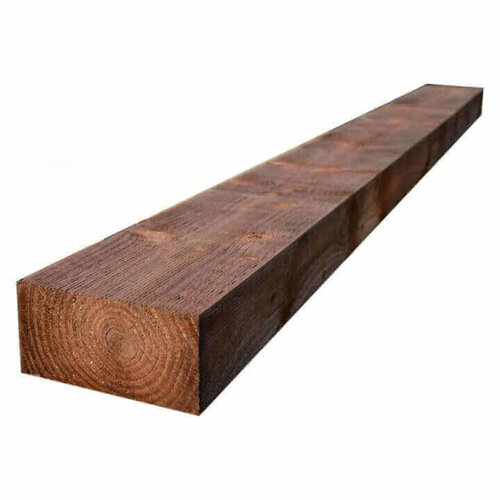
Sleeper Incised U/C4 FSC - 200mm x 100mm x 2.4m Brown
Incised brown railway sleeper, 200x100x2400mm, Use Class 4 treated, FSC.
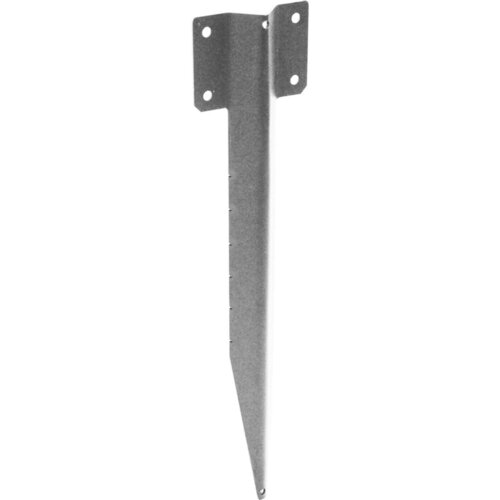
No.4715 Sleepersecure Single Sleeper Straight Support Spike - 1
Straight support spike for securing railway sleepers in a straight run
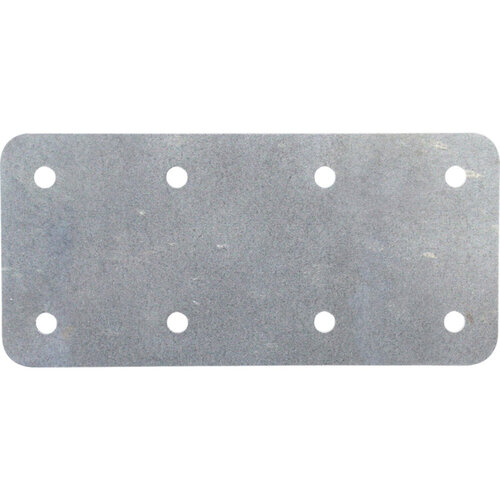
No.4718 SleeperSecure Short Internal Sleeper Straight Flat Support Plate - 1
Flat internal support plate to join two straight railway sleepers.
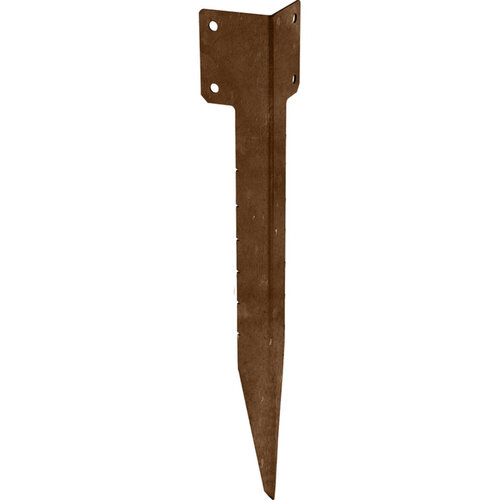
No.4713 SleeperSecure Single Sleeper Corner Support Spike - 1
Corner support spike for securing single-layer sleeper corners
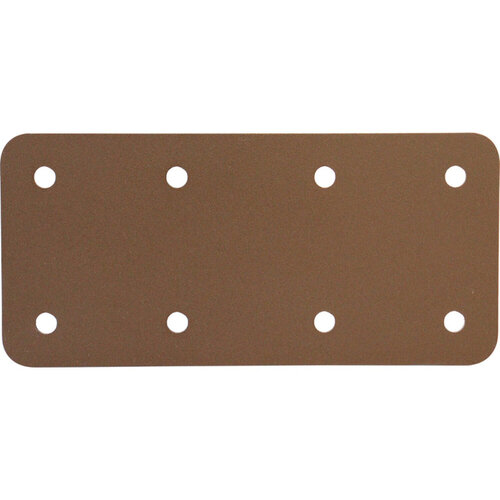
No.4718 SleeperSecure Short Internal Sleeper Straight Flat Support Plate - 1
Flat support plate for joining two straight railway sleepers.
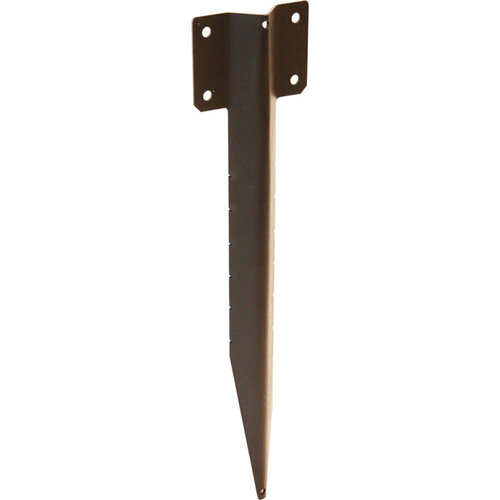
No.4715 Sleepersecure Single Sleeper Straight Support Spike - 1
Straight support spike for securing railway sleepers in a straight run
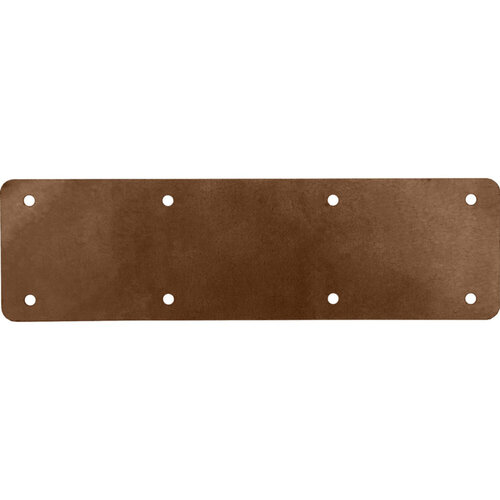
No.4719 Sleepersecure Long Internal Sleeper Straight Flat Support Plate - 1
Large support plate for internal joining of up to four straight railway sleepers
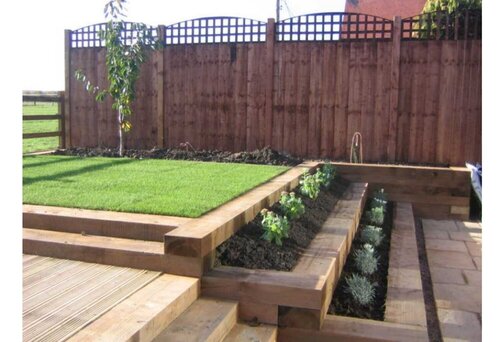
New Treated Softwood Sleeper - 200mm x 100mm x 2400mm Green
Green treated softwood sleeper, 200 x 100 x 2400mm, rough sawn, for landscaping
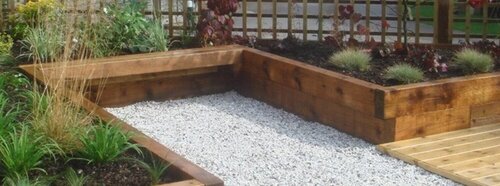
New Treated Softwood Sleeper - 200mm x 100mm x 1200mm Brown
200x100x1200mm brown treated softwood sleeper, ideal for steps & raised beds wit…
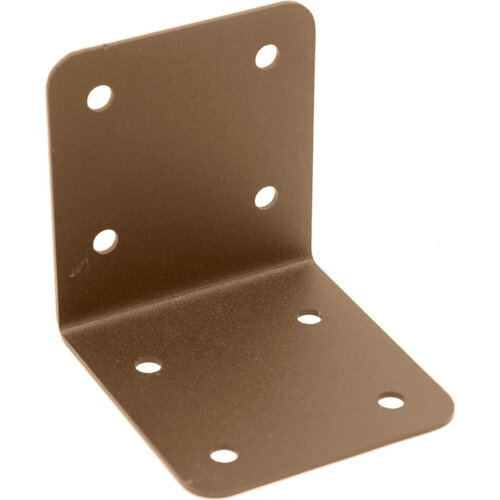
No.4717 Sleepersecure Internal Sleeper Corner Support Bracket - 1
Internal sleeper corner support bracket for planters and edging
For the Trade
What you’re building comes first, then the space and layout around it. For edging or a small border, treated sleepers are usually the sensible call because they keep the job lighter and easier to set out. If the run is taking more load, or you need a heavier visual line, hardwood or oak sleepers are the ones people move to. You pay for that in weight and handling, so they suit jobs where the spec justifies it. Cutting matters too, because harder timber gives you less forgiveness once you start trimming on site.
Popular Railway Sleeper Formats
For most jobs, you’re choosing between standard sleepers, new railway sleepers and trade railway sleepers.
Standard stock suits straightforward landscaping when you want a clean run and nothing special to factor in. It’s the usual pick when the job needs to keep moving.
New railway sleepers work when consistency matters. You know what you’re getting, and you avoid the oddities that come with reclaimed material.
Trade railway sleepers make sense when you’re buying in quantity and need the job priced sensibly. You still need to check the finish and grade against the spec.
If you’re matching other work across Outdoor Projects, that usually settles the format quickly.
Key Differences When Choosing
Material usually settles it. Treated sleepers suit jobs where you want easier handling and a lower ticket. Oak sleepers bring more weight and a firmer feel, so they tend to suit runs that need more presence or less movement.
Timber sleepers are simpler to cut and shift on site. Hardwood options take more effort to carry and set, and that can slow the job down. If you’re finishing the run with Decorative Stones, a cleaner-cut treated board usually keeps the edge tidier. If the sleeper line ties into Fence Posts & Panels, the extra mass of oak can help the whole line feel more solid.
Next Decisions After Choosing
Once the railway sleepers are chosen, the next call is what finishes the run and what sits against it. If you are building a border or retaining line, sort the surrounding finish at the same time. It saves a return visit to patch in loose ends.
Decorative stones are the usual follow-on where you want a clean edge and less to maintain around the base. Fence posts and panels come in when the sleeper work forms part of a boundary and you need the height or screening to match. The sleeper line is only half the job if the adjacent finish has not been planned with it.
Related searches
Local availability for Railway Sleepers





