Commercial Security
Commercial security comes down to what you’re protecting and how exposed the site is. For a yard, office or unit, you’re weighing up visible deterrents, access control and monitoring. Get the mix wrong, and the gaps show up.
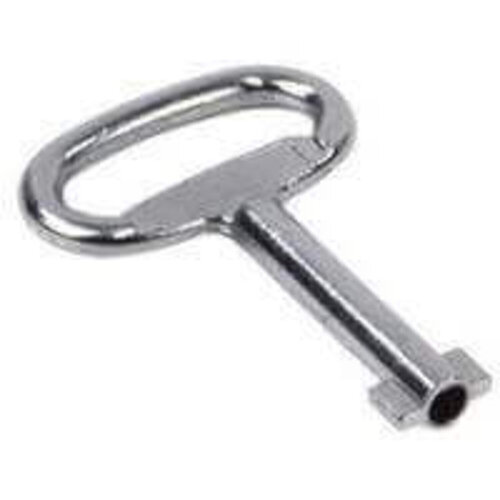
Ali Industries Spare Key for Use with Steel & Stainless Enclosures
Spare key for Ali Industries steel and stainless steel enclosures
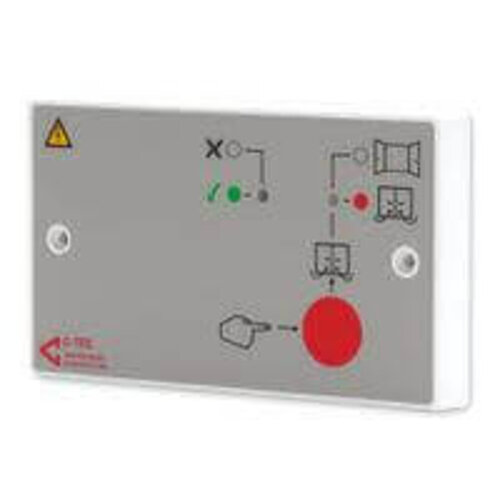
C-TEC Door Release Power Supply Unit - 24V, 250mA
24V DC power supply for electromagnetic door retainers
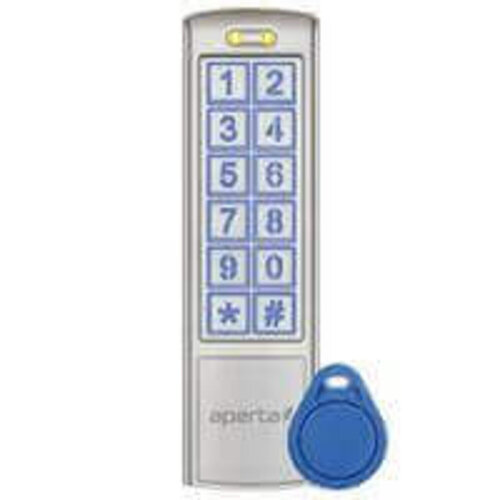
ESP Proximity and Keypad Door Entry Aluminium IP65
IP65 aluminium door entry system with keypad, proximity and 10 tags.
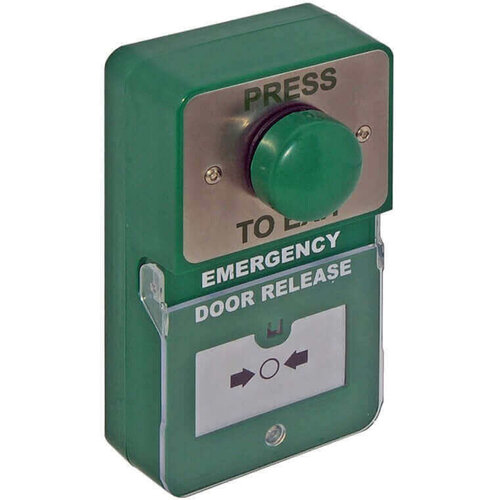
Securefast Dome Exit Button with Resettable Call Point Surface "Press to Exit" - Stainless Steel Green
Green stainless steel exit button for access control, surface mounted
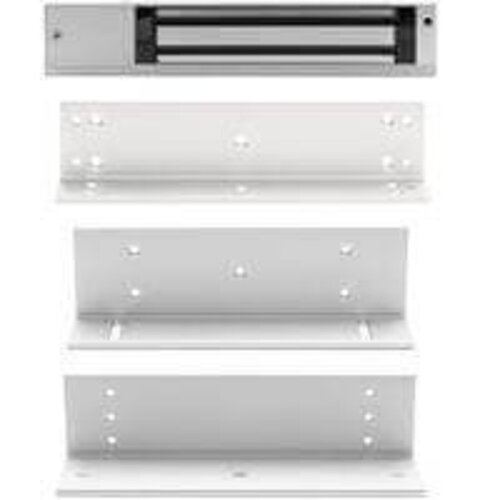
ESP Magnetic Lock with Status LED - 250kg Aluminium Brushed Silver
250kg magnetic lock with status LED, brushed silver aluminium
For the Trade
Start with the space you’ve got and how it’s used, then the spec usually sorts itself out. If access is tight or the layout is awkward, you want products that fit the opening and don’t leave weak points around the edges. Where the site sees regular traffic, focus on the parts that get handled most and spend there first, rather than loading on extras. That is usually how commercial security gets specified at the counter. Get the layout right, then decide whether you need more visible deterrence, better control, or tougher hardware where it matters.
Types of Commercial Security
For commercial security, the first split is usually between visible deterrent, controlled access, and monitoring.
If you need to stop casual interference, commercial security locks and other business security products are the usual pick. They protect the point they’re fitted to, and that is the limit.
If the job is about controlling who gets in and out, business security solutions with access control or monitored coverage make more sense. You will pay more, and there is more to keep on top of.
A lot of call-backs start with the wrong level for the site, so check the spec against the risk before you land on the Security range.
Selection Factors for Commercial Security
The first question is how exposed the site is. That usually decides whether you need visible deterrence, tighter access control, or something that simply hardens the weak points.
On a busier premises, commercial security often starts with the kit people can see and test. On quieter sites, the spend is usually better aimed at the parts that get touched most.
That is why business security products are rarely bought as a full set in one go. You might add Vehicle & Outdoor Security for the perimeter, then finish with Post Boxes where mail or small deliveries need protecting without overcomplicating the site.
Finish the Room
Once you’ve settled the main commercial security spec, the next spend is usually the bits that finish the job around it. That can mean a proper post box where mail needs to stay secure, outdoor protection where the risk sits away from the building, and the fixings or housings that stop the setup looking piecemeal.
That’s where business security products get judged on site, not in the brochure. If the premises has shared access or a lot of handling, you’ll usually want the tougher, more tamper-resistant end of the range. In a controlled office, you can keep it simpler and spend where it matters most.
Related searches
Local availability for Commercial Security

