Laser Levels
Laser levels come down to three things: the lines you need, the range you’re working at, and whether you want a kit or just the unit. A cross line laser suits internal setting-out and quick alignment. A rotary laser level is the one you reach for when you need to cover more ground or work outside. Green beam models are easier to pick up in brighter conditions, but they usually cost more than red.
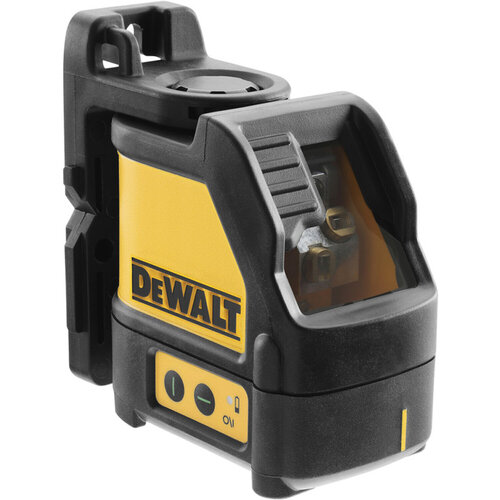
Dewalt Cross-Line Green Laser Level
Green cross-line laser level with IP54, magnetic base, and self-levelling
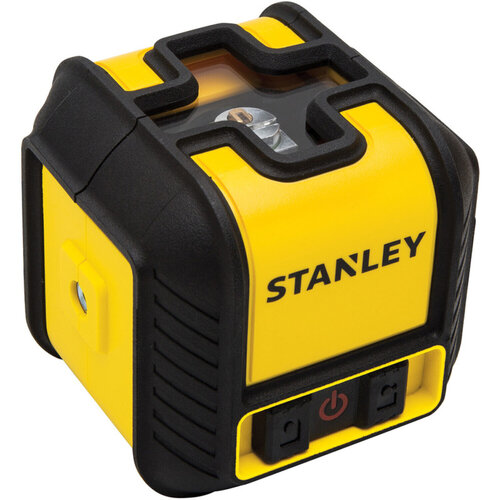
Stanley Cubix Laser Level - Red
Red cross line laser level with 12m range, self-levelling ±4°, for interior use.
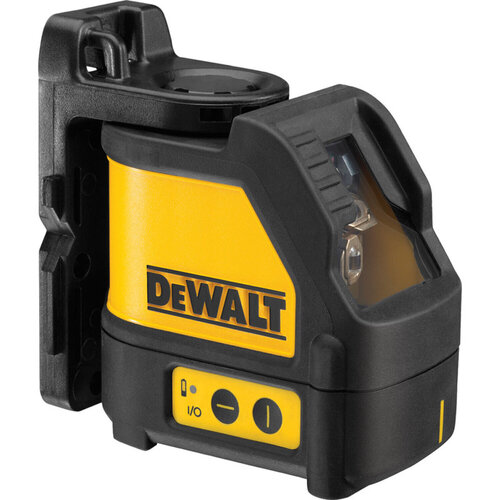
Dewalt Cross-Line Red Laser Level
Self-levelling red cross-line laser level with 15m range and magnetic base
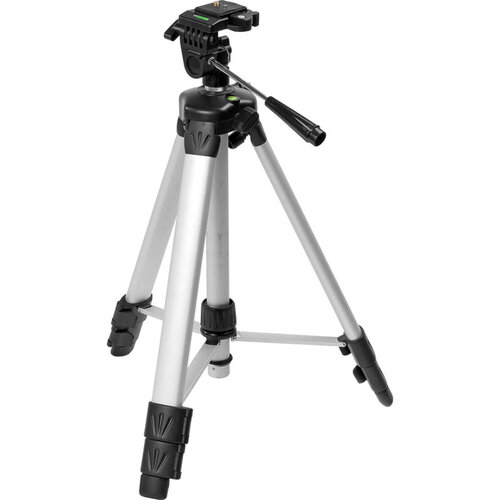
Stanley Laser Tripod
Stanley laser tripod, height adjustable 60-150cm, with level vials and compact d…
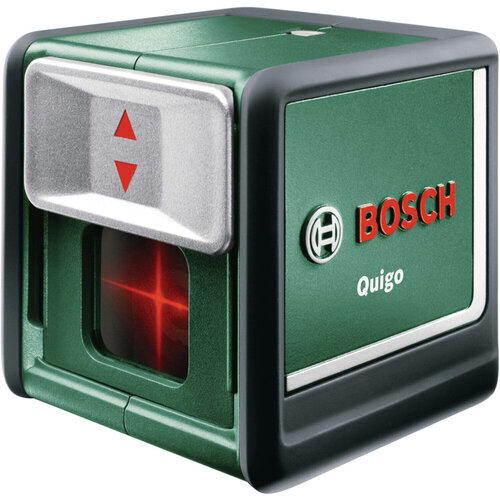
Bosch Quigo Self-Levelling Cross-Line Red Laser Level
Self-levelling cross-line red laser level with ±0.8 mm/m accuracy
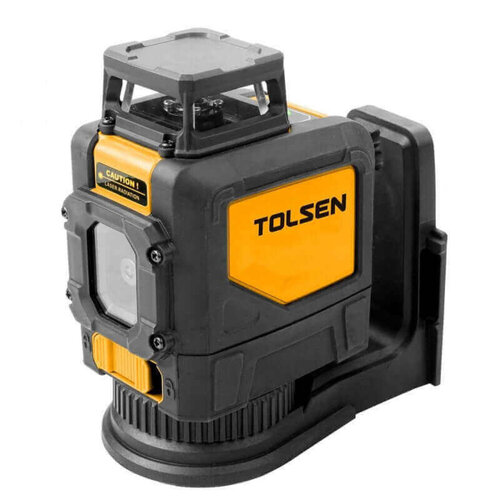
Tolsen Green Beam Self-Levelling 360° Horizontal Cross-Line Laser Level
Self-levelling 360° horizontal cross-line laser level with green beam
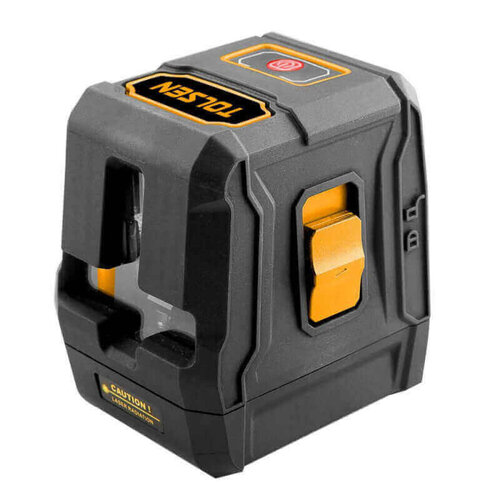
Tolsen Laser Level - 20m
Tolsen laser level, 20m.
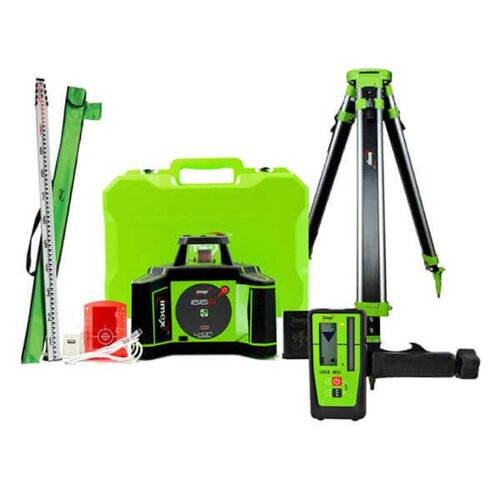
Imex I66R Rotating Laser Kit
Imex I66R rotating laser kit
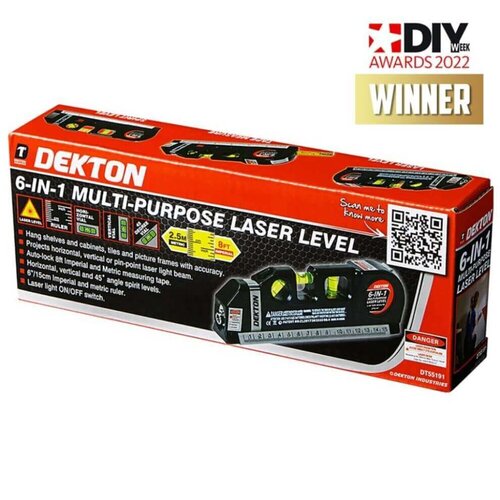
Dekton Multipurpose Laser Level
Multipurpose laser level with horizontal, vertical, and pinpoint beam projection
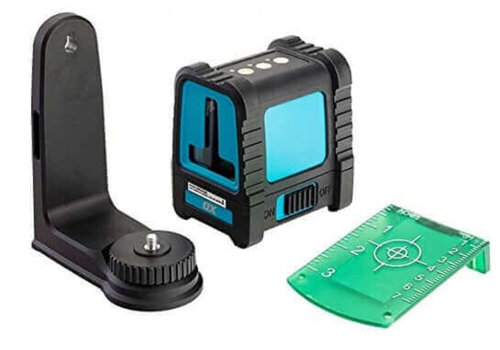
OX Tools Pro Laser Level
OX Tools Pro Laser Level, 12.7 x 12.7 x 12.7 cm
For the Trade
Start with the space you’ve got and how you’re using the laser. That usually decides the format before you look at extras. Tight internal work often points you to a cross line laser or a compact laser level. Bigger set-out jobs may call for a rotary laser level or a 360 degree laser level if you need coverage all round. A laser level with tripod is worth it when you want repeatable height and less faffing about with set-up. If you’re only doing short runs, keep it simpler. Green beam helps in brighter conditions, but it should come after layout and range.
Laser Level Types and Layouts
The first split is usually between a cross line laser and a rotary laser level. A cross line laser suits internal setting-out when you want quick reference lines and less kit to carry. You give up reach, but you gain speed and easier handling.
A rotary laser level is the better call for longer runs and larger areas. It needs more support gear, and it is overkill for small rooms.
If you want a fixed working height without faffing, a laser level with tripod is the cleaner buy. A 360 degree laser level helps when you need coverage all round the room, but it is not the answer if you only need one or two lines.
For the full range, start from Measuring Tools.
What to Check Before You Buy
What usually decides it is the job, the distance, and whether you need one line, two, or a full sweep. For quick internal set-out, a cross line laser keeps things simple and fast. For longer runs or outside work, a rotary laser level is the one you reach for, though it brings more kit than you need on small jobs.
A 360 degree laser level suits rooms where you want the line carried right round. If you only need a single reference, it is more than you need. If you are checking angles as well as level, Angle Finders are the better buy. For point-to-point distances, Laser Measures usually make more sense than over-specifying the laser.
Useful Alongside Laser Levels
Once you’ve picked the laser level, the next call is usually the kit around it. A laser level with tripod makes sense when you need a fixed height and you’re moving from one room or elevation to the next. A detector, staff or receiver comes in when the beam has to be picked up at distance or in brighter conditions.
On bigger set-outs, the extras matter more than the unit itself. A cheap laser with the wrong support or receiver is the one that stays in the van. If you’re only doing short internal work, keep it lean. If the job runs across the site, buy the accessories that stop you losing time.
Related searches
Local availability for Laser Levels








