Ready Mixed Plaster
Ready mixed plaster suits jobs where you want a consistent mix without batching up on site. The choice still comes down to finish, working time and how much patching you’re doing. A ready mixed plaster mix is usually the pick for smaller repairs and general wall work where you want less mess and fewer variables. If you need more open time or a different finish build-up, another plastering plaster may suit better.
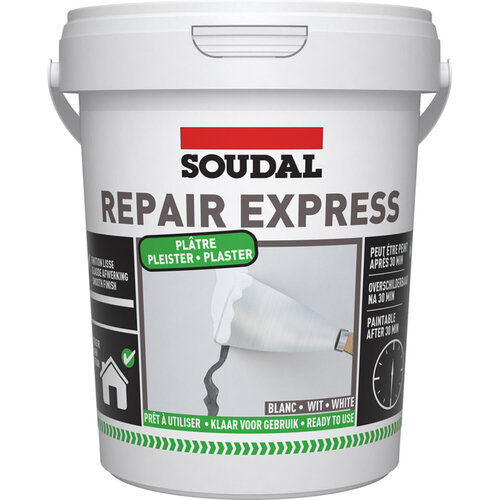
Soudal Repair Express Plaster - 900ml White
Fast-curing interior repair plaster with paintable finish, 900 ml
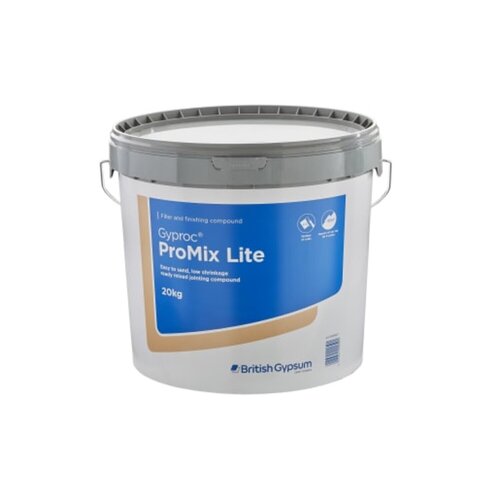
British Gypsum Gyproc Promix Lite - 20kg
Ready-mixed lightweight plaster for plasterboard joints and finishing, 20kg
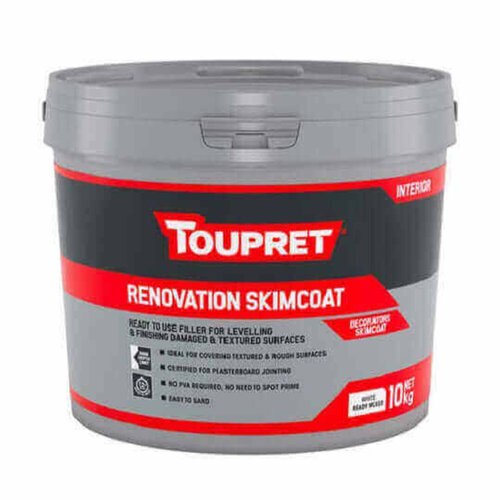
Renovation Skimcoat Ready Mixed
Ready mixed skimcoat for levelling and finishing interior surfaces
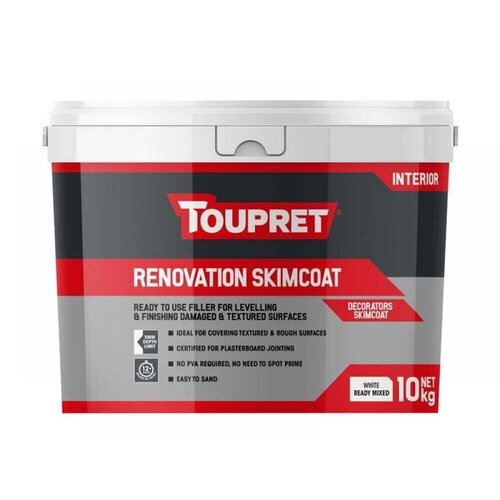
Toupret Renovation Skimcoat (Ready Mixed Decorators Skim) - 10kg
Ready-mixed skimcoat for decorating preparation, 10kg
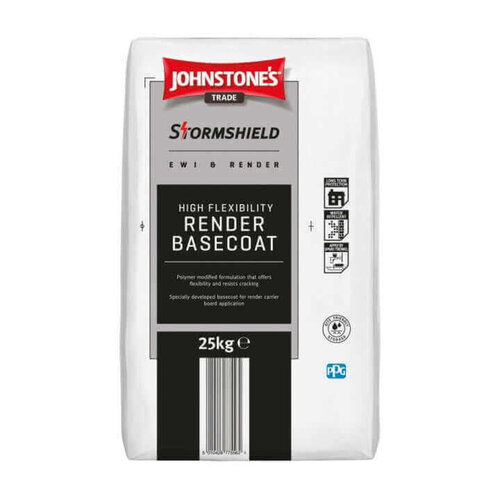
High Performance High Flex Basecoat - 25kg
High-flex tile adhesive and grout basecoat, 25 kg
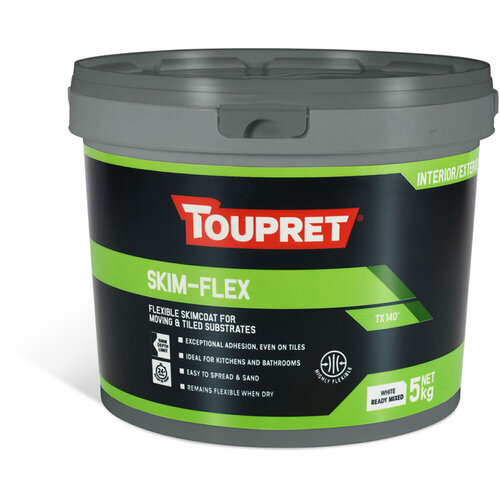
Toupret Skim Flex - 5kg
Flexible ready-mixed plaster for kitchens and bathrooms
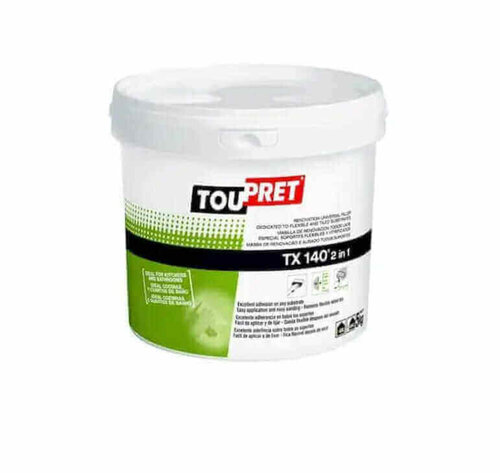
Toupret Scim Flex Ready Mixed (TX140) - 5kg
Flexible ready-mixed plaster compound in 5kg tub
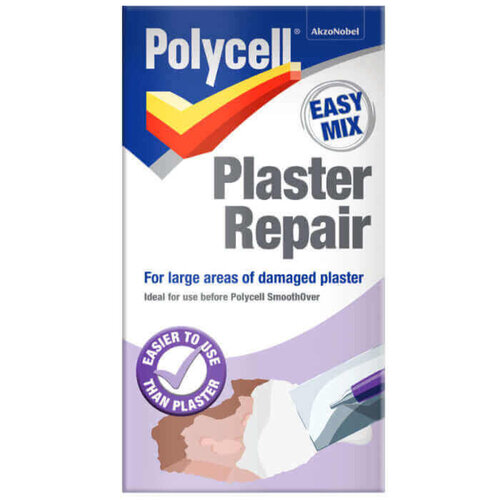
Polycell Plaster Repair Powder
Easy-mix plaster repair powder with smooth white finish, no slump or crack.
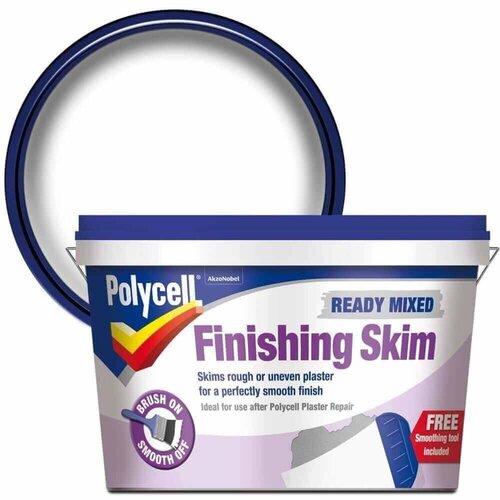
Polycell Ready Mixed Finishing Skim - 2.5L
Polycell ready mixed finishing skim, 2.5 litres
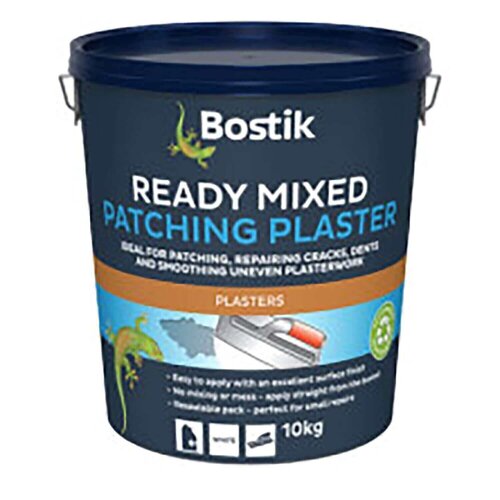
Bostik Patching Plaster - 10kg White
Ready-mixed patching plaster for internal repairs, dries white
For the Trade
Start with the space you’ve got and how the job will be used, then decide how much working time you need. In tighter areas or patch work, a ready mixed plaster that stays open a bit longer is usually easier to manage. Quicker-drying mixes make more sense when you need the area back in sequence. For broader wall work, a general purpose plastering plaster is often the better call than a specialist finish, because it gives you less fuss on ordinary jobs. The usual mistake is picking on label alone and finding the set time or finish doesn’t suit the job.
Types of Ready Mixed Plaster
A ready mixed plaster mix suits quick patching. It gets small repairs done without mixing from scratch.
Ready mixed plastering plaster works better when you’re covering more wall. You get a bit more working time, so you can spread it out and finish it properly.
Trade ready mixed plaster is the pick for repeat jobs where you want a consistent result. You give up some flexibility compared with a general plaster mix, but the job keeps moving.
If you’re weighing it against other materials in Aggregates & Chemicals, finish and working time usually make the call.
Selection Factors for Ready Mixed Plaster
The first thing to check is how much working time you need. A slower ready mixed plaster gives you more room to flatten and tidy up. That helps on awkward patches or when you’re juggling other trades.
Quicker-drying mixes suit small jobs where you want the wall back in sequence. They leave less margin if the substrate is uneven or you’re working alone. For broader wall work, a more general ready mixed plaster mix is usually the better call because it’s less fussy on timing.
If the job is moving into bonding or background prep, look at Additives & Plasticisers or Cement Mix instead.
Finish the Room
Once the ready mixed plaster is chosen, the next call is what’s going on around it. If you’re closing out a room, the board, trims and adjacent finishes matter more than most people think. A good plaster job can still be held up by a poor substrate or a rough edge.
For patch work, check what’s already on the wall and what finish you’re matching. For larger areas, the surrounding materials need to suit the same programme, not just the same room. That’s where the rest of the sealants and adhesives range comes in, along with the right prep products from the aggregates and chemicals side when the background needs sorting before you start.
Related searches
Local availability for Ready Mixed Plaster






