Tool Bags
Tool bags usually come down to what you’re carrying and how far you’re moving it. Small tool bags keep kit tight and easier to lift in and out of the van. Larger or heavy duty tool bags suit bigger sets and rougher daily use, but they do get bulky once you start overfilling them. Canvas tool bags stay a common pick when you want something simple and flexible, though a firmer build is worth it if the bag’s getting dragged across site every day.
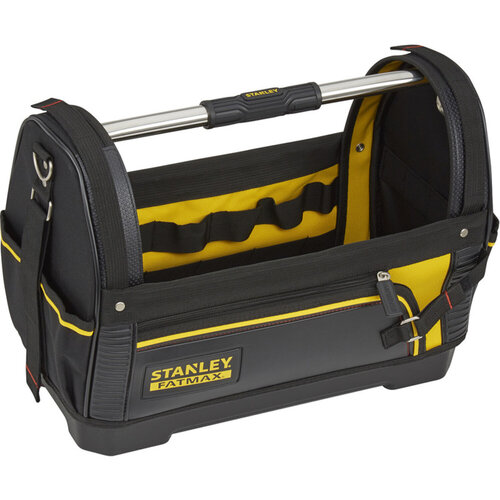
Stanley Fatmax Open Tote Tool Bag - 330 x 480 x 250mm
330x480x250mm heavy-duty open tote tool bag
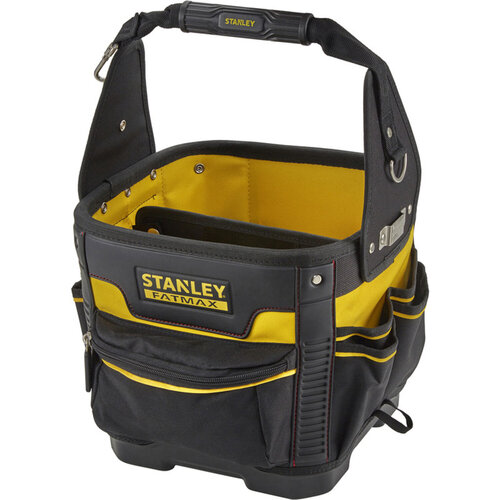
Stanley FatMax Technician Bag - 380mm x 340mm x 290mm
Heavy duty technician bag with waterproof base and 32 pockets
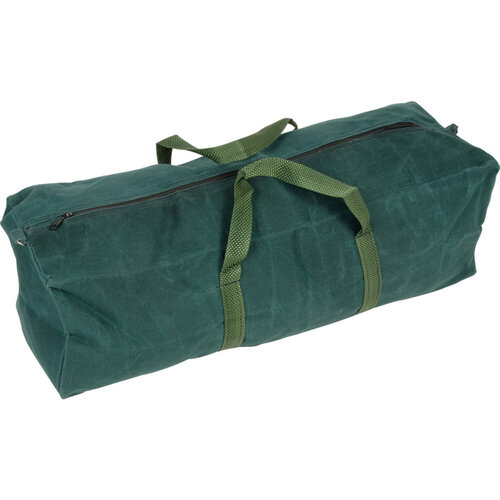
Canvas Tool Bag - 750mm
Heavy cotton canvas tool bag with webbing handles and nylon zip
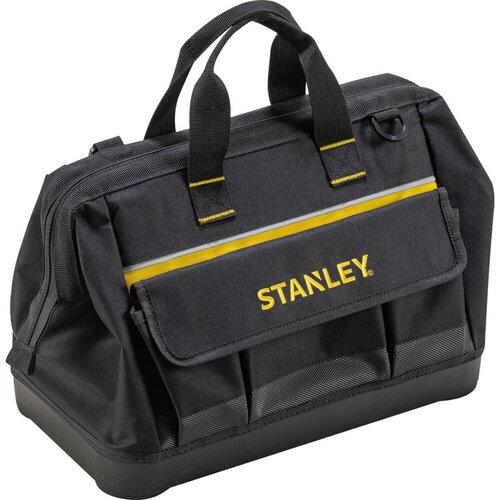
Stanley 16" Open Mouth Tool Bag - 447 x 275 x 235mm
16-inch open mouth tool bag with waterproof base
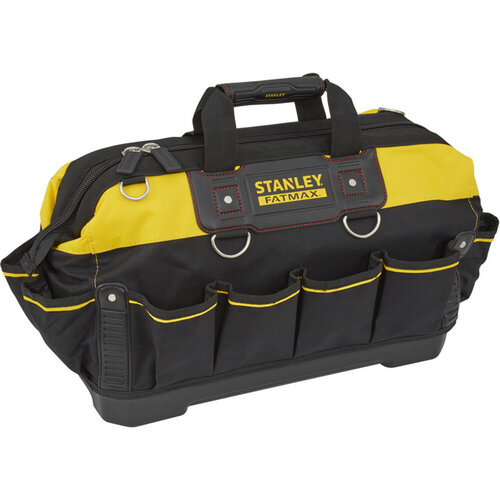
Stanley FATMAX Tool Bag - 18"
Heavy-duty tool bag with 600 denier fabric, waterproof base and comfortable hand…
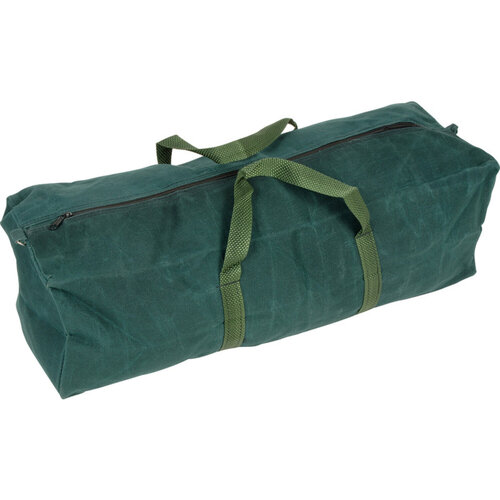
Canvas Tool Bag - 450mm
Heavy cotton canvas tool bag with webbing handles and nylon zip, 450mm long
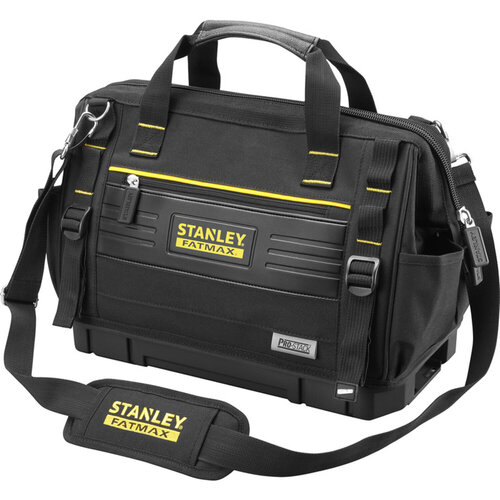
Stanley Fatmax Pro-Stack Open Mouth Bag - 504 x 255 x 129mm
Pro-Stack compatible open mouth tool bag with 600 denier fabric and padded shoul…
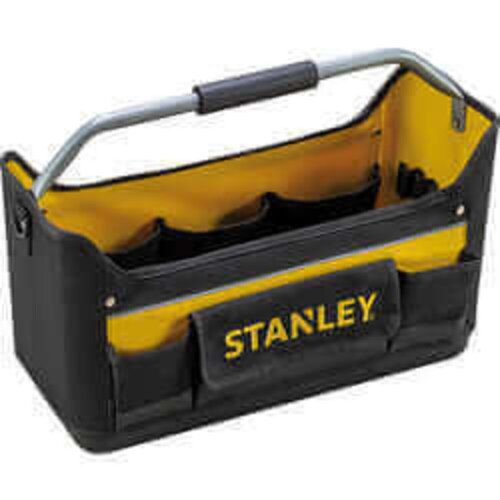
Stanley 16" Open Tote - 447x251x277mm
Heavy-duty 16-inch open tote bag with metal handle and waterproof base
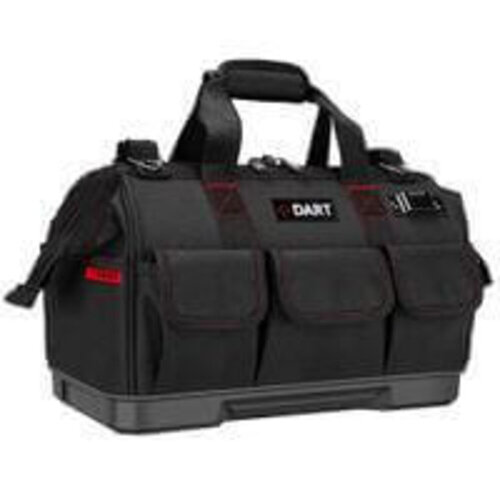
Dart Tools Hard Base Zipped Tool Bag - 18"
Zipped tool bag with hard base, 457mm length
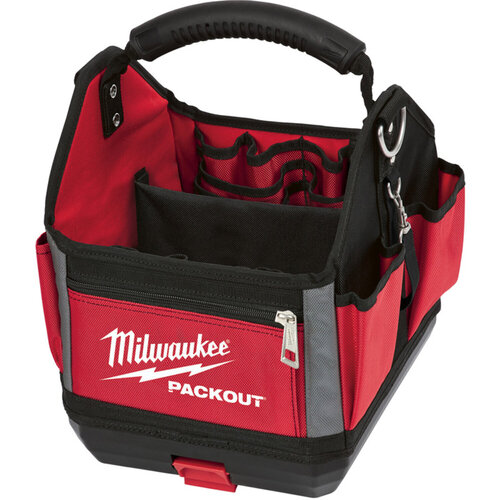
Packout™ Tote Toolbag - 25cm
25cm tote toolbag with ballistic nylon and PACKOUT modular compatibility
For the Trade
Start with what you need to carry and how much room you’ve got in the van or on the job. If you’re shifting a mixed kit all day, heavy duty tool bags are worth the extra bulk because they hold their shape better and take more abuse at the bottom. For a lighter set, or where access is tight, a smaller tool bag is easier to handle and less likely to get left in the way. Canvas tool bags suit you if you want a bit more give, but they’re not the answer if the bag’s going to be dragged about and overloaded every day.
Tool Bag Types and Layouts
The choice usually comes down to how much kit you want in one grab and how hard the bag will be worked. A plain tool bag suits quick access and less bulk. Trade tool bags with more structure fit mixed kits that go in and out of the van all day. Heavy duty tool bags make sense when the load is rough on seams and handles, but you give up some flexibility.
Water resistant tool bags are worth a look if the bag lives on site, though they are not a substitute for keeping kit dry. Canvas tool bags stay popular because they are easy to handle and do not feel overbuilt. If you are comparing against the rest of Tool Storage, this is the point where you decide how portable you need it to be.
What to Check Before You Buy
Size is the first call. Small tool bags suit the kit you want close by and easy to carry. You give up room for bigger sets and the odd extra fitting.
Large tool bags make more sense when you’re carrying a fuller kit or want fewer trips back to the van. They soon get awkward in tight access or when you’re up and down stairs. Bigger isn’t always better. If the bag stays half empty, you still carry the bulk.
If you’re leaving kit in the vehicle, Vehicle & Site Safes are the next conversation. If you want to keep fixings and small parts sorted with the bag, look at Tool Storage Drawers.
Useful Alongside Tool Bags
Once you’ve picked the right tool bags, the next call is what sits around them in the van and on site. If you’re keeping fixings, consumables or small parts separate, organisers and tool storage drawers cut down the rummaging. If the kit needs to stay locked away, vehicle & site safes are the better shout. A soft bag won’t stop anything walking.
That’s usually where the job changes the spec. Keep the bag for daily carry. Put the rest into storage that suits how exposed the kit is.
Related searches
Local availability for Tool Bags







