Work Body Warmers
Work body warmers usually come down to how much warmth you need and how much bulk you can live with. A lightweight body warmer keeps your arms free and sits well under a jacket. Padded or quilted options give you more insulation for colder starts and exposed jobs. If you’re taking it on and off through the day, a zip-front body warmer is the cleaner choice. For more heat retention, go heavier and accept a bit less freedom around the shoulders.
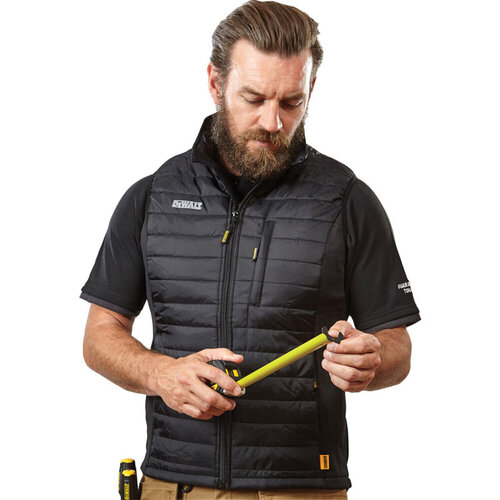
Dewalt Force Gilet - X Large - Black
Black slim-fit nylon gilet with water resistance and stretch, size XL
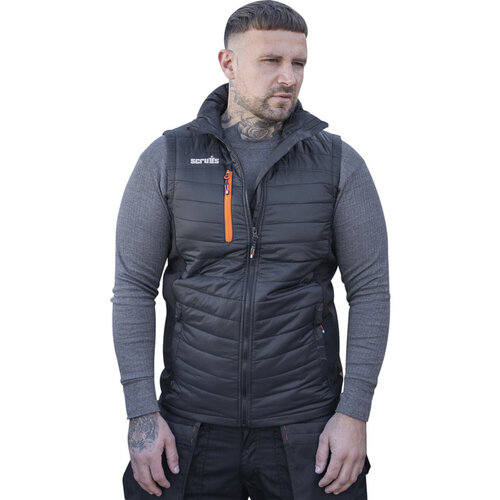
Scruffs Trade Bodywarmer - Black Medium
Black slim-fit nylon bodywarmer with stretch side panels, size Medium
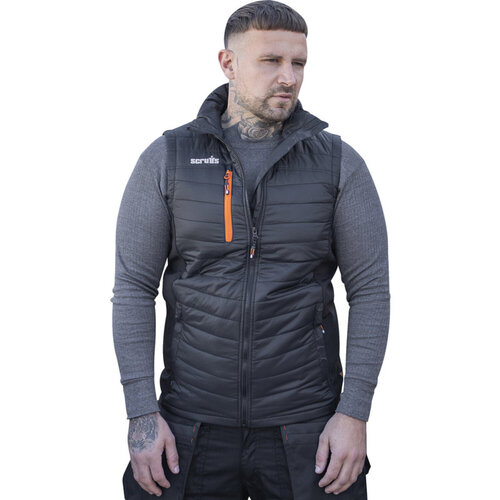
Scruffs Trade Bodywarmer - Black Large
Black slim-fit nylon bodywarmer with stretch side panels, size Large
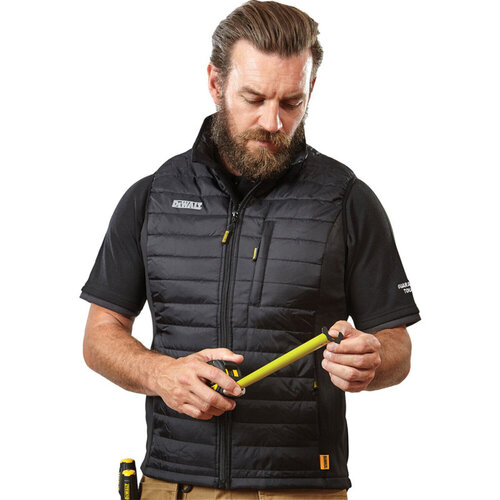
Dewalt Force Gilet - Large - Black
Black slim-fit nylon gilet with water resistance and stretch, size L
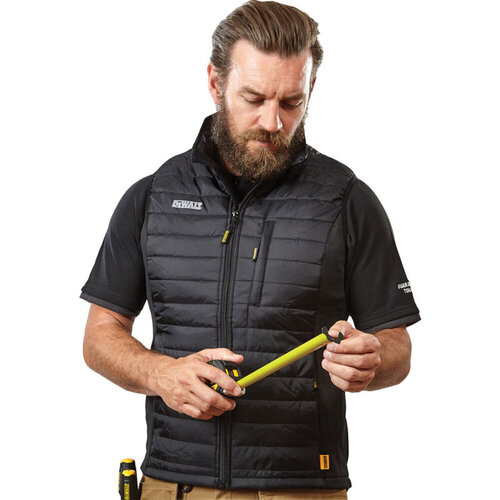
Dewalt Force Gilet - Medium - Black
Lightweight water-resistant gilet with centre zip and zip pockets
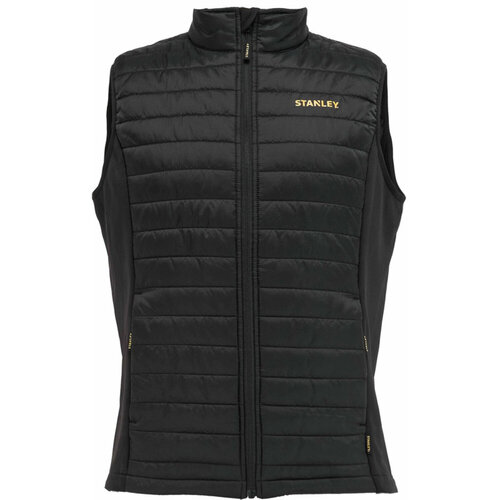
Stanley Banff Gilet - Black Medium
Men’s black insulated gilet, Medium, stretch sides, YKK pockets
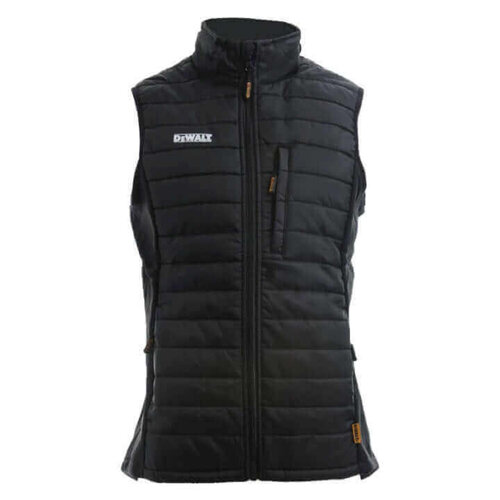
Dewalt Force Gilet S - S - Black
Dewalt Force gilet in black, size S
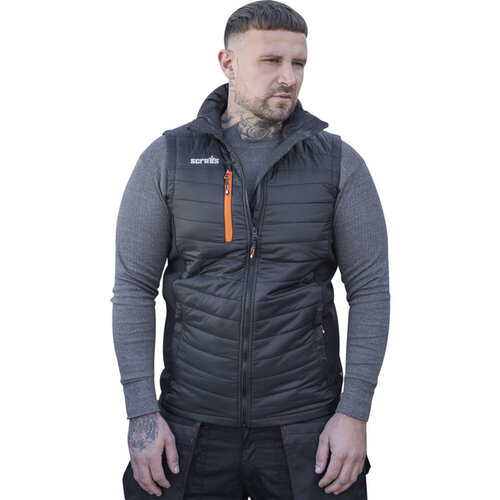
Scruffs Trade Bodywarmer - Black X Large
Black slim-fit nylon bodywarmer with stretch side panels, size X Large
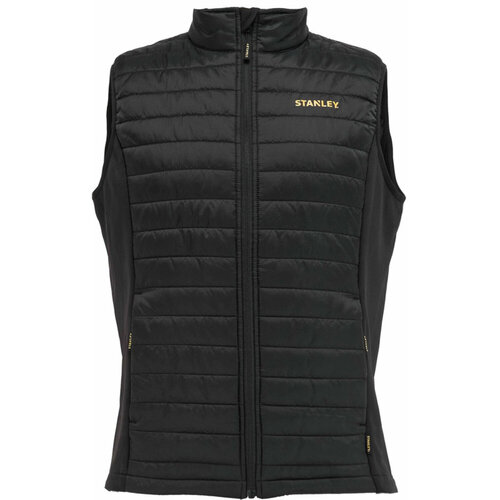
Stanley Banff Gilet - Black X Large
Men’s black insulated gilet, X Large, stretch sides, YKK pockets
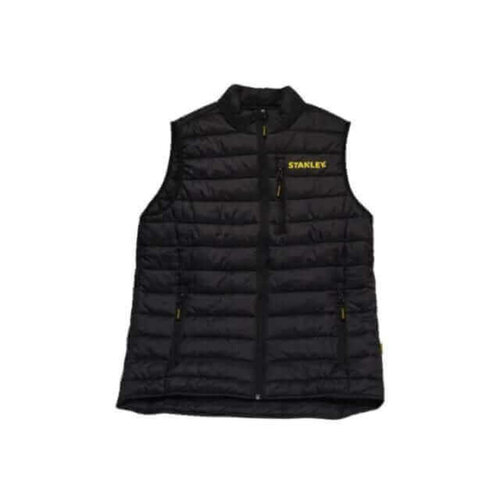
Stanley Attmore Gilet - X Large
Stanley Attmore black work gilet, size X Large, water-resistant slim fit
For the Trade
Start with space and how you’ll use it on site, then the rest falls into place. If you need something that sits neatly over a hoodie or fleece without getting in the way, work body warmers are usually the cleaner pick. When you’re carrying tools, climbing in and out of a van, or working tight access, bulk matters before warmth does. A body warmer that rides up or catches at the waist gets left in the van. Once the fit is right, you can decide whether a lighter layer or a more insulated one makes sense for the day.
Types of Work Body Warmers
The main call with work body warmers is how much core heat you need against how much bulk you can live with. A lightweight body warmer suits jobs where you want your torso covered without loading up the arms. It keeps movement easy, but you give up some insulation.
A padded or quilted body warmer makes more sense when you’re stood still for more of the day and need a bit more warmth. A work gilet is the neater cut. Pick that when you want less flap under a jacket and a cleaner layer over the rest of your kit. If you’re keeping things simple across Workwear, it sits between a fleece and a proper outer jacket. Get the balance wrong and you end up with too much bulk or not enough heat.
Selection Factors for Work Body Warmers
A lighter body warmer works when you’re in and out of the van, carrying kit, or moving close to the job. It keeps the core warm without loading the arms. A padded or quilted body warmer gives you more insulation when you’re stood about more and need the extra hold.
If you’re wearing one over a fleece or hoodie, check the cut before you buy. A snug fit gets left in the bag. For the bits that finish the job off, look at Workwear Accessories. If you need full coverage instead, Boiler Suits & Coveralls is the other route.
Finish the Room
Once you’ve picked the body warmer, the next call is what else goes in the order. If you’re kitting out a crew, you’ll usually finish the rest of the workwear first rather than add another layer. That keeps the kit consistent across the job.
A work gilet often sits with boiler suits & coveralls when you need a fuller uniform for dirty work. Workwear accessories are often the bits that get missed until the last minute, and that’s where the hold-up starts.
Related searches
Local availability for Work Body Warmers






