Power Inverters
Power inverters come down to two things first: the supply you’re working from and what the kit needs to run. A 12v power inverter suits most vans and cars, while 24v options are the one to look at for heavier vehicles. After that, it’s usually a straight choice between modified sine wave and pure sine wave. Pure sine wave is the safer call for sensitive electronics, while simpler units are generally fine for less fussy loads.
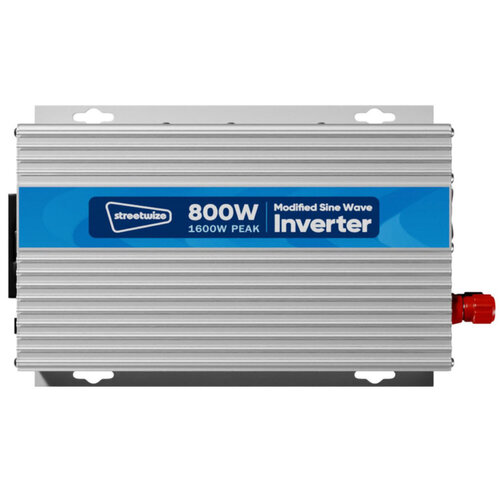
Streetwize Power Inverter - 800W
Vehicle power inverter converts 12V DC to 230V AC for UK appliances
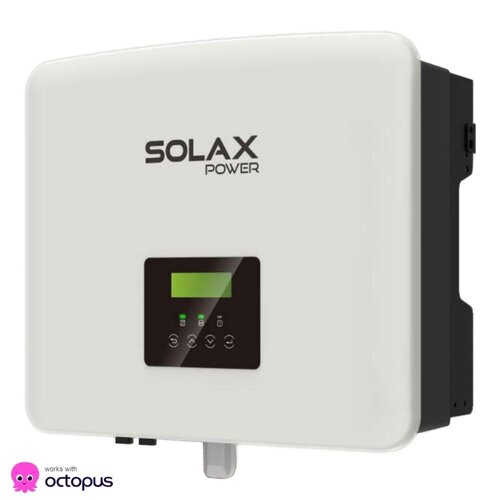
Solax Power X1 G4 Single Phase Hybrid Inverter - 7.5kW
7.5kW single-phase hybrid inverter with IP65 protection
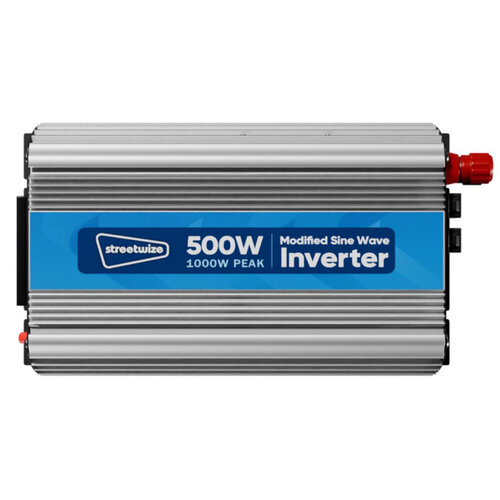
Streetwize Power Inverter - 500W
500W vehicle power inverter with USB and protection
ESP Boxed Power Supply
12V DC 1.5A multi-output boxed power supply with battery backup facility
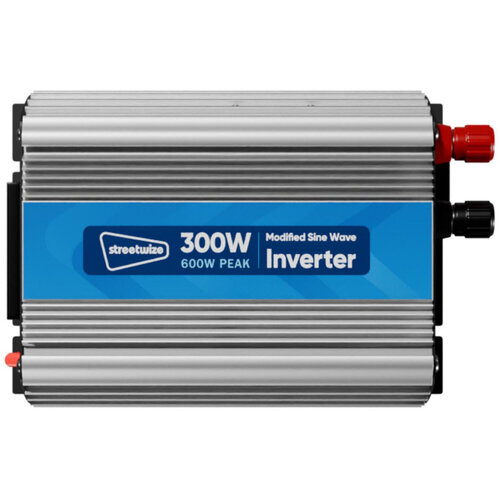
Streetwize Power Inverter - 300W
300W vehicle power inverter converts 12V DC to 230V AC
For the Trade
Start with the space you’ve got and what the kit needs to run, because that usually rules out half the range before you look at anything else. If the load is awkward or sensitive, a pure sine wave inverter is the one to use. If it’s straightforward kit and you’re watching cost, a modified unit often does the job. A 12v power inverter suits lighter vehicle setups. A 24v power inverter is the one you reach for on heavier vehicles. The jobs that come back are usually the ones where the output was guessed rather than matched to the use.
Popular Power Inverter Formats
The first split is supply and load. After that, it comes down to whether you need a basic car power inverter or a heavier 24v power inverter. A 12v to 240v inverter is the usual pick for vans and cars running ordinary kit. A 24v power inverter makes more sense in trucks and lorries where the vehicle supply matches it.
If the equipment is fussier, a pure sine wave inverter is the one to reach for. Cheaper output types suit simpler tools and chargers, but they can be the wrong call for sensitive electronics. Keep the choice aligned with the wider Car Accessories range rather than forcing a unit that only half fits the job.
Key Differences When Choosing
What usually decides it is the vehicle supply, the kit you’re running, and how often you’ll use it.
For light, occasional jobs, a basic 12v power inverter is usually the economical call. Once the load is more sensitive or runs for longer spells, a pure sine wave inverter is the better fit. It is less likely to cause nuisance issues with electronics.
On heavier vehicles, a 24v power inverter makes more sense than trying to work round the system. If you’re carrying tools and pipework together, it is worth looking at Pipe Storage at the same time. For tow work and site kit, Trailers & Accessories often changes what size and output you actually need.
Next Decisions After Choosing
Once you’ve picked the power inverters, the next call is usually how the vehicle works day to day. In a van or truck carrying kit, the inverter often sits alongside pipe storage and other load-space kit. Loose gear and a hard-used electrical setup tend to fail together.
If the vehicle is also towing or working with trailers and accessories, think about where the power feed, storage and access all land. A tidy install is the one that gets left alone. That is what helps avoid the comeback, not just the inverter itself.
Related searches
Local availability for Power Inverters



