Angle Finders
Angle finders come down to how much room you’ve got, how often you’ll use one, and whether you want a quick read or a digital display. Manual angle finders suit regular site work when you need to transfer or check an angle. A digital angle finder is better for repeat readings and awkward mitres. Bigger bodies are easier to read, but they’re less handy in tight corners.
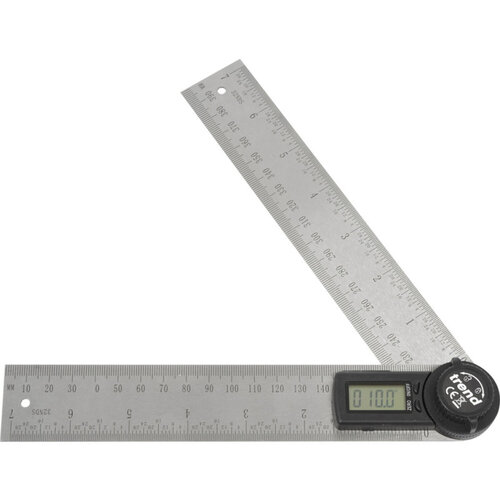
Trend Digital Angle Rule
Digital angle rule with two 200mm stainless steel rules, 0–360° range
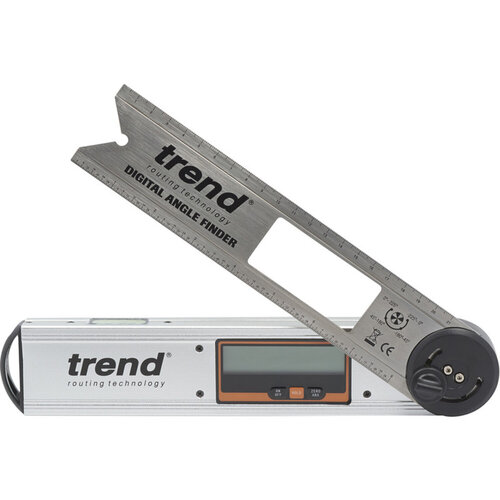
Trend Digital Angle Finder - - for measuring checking, marking and transfering b…
Digital angle finder, 200mm blade, 0-220° range, aluminium stock
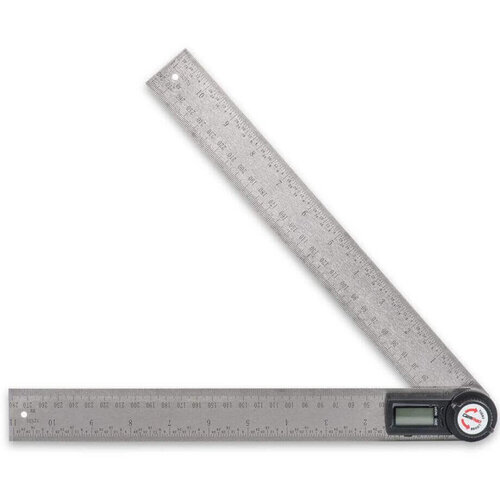
Gemred Digital Angle Rule - 280mm
Digital angle rule with 280 mm rule length for accurate angle measurement.
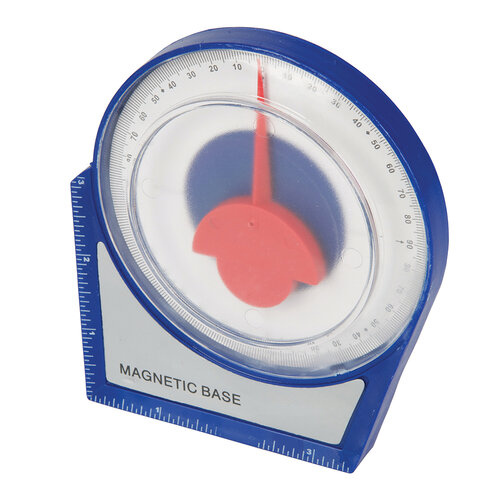
Cmstool CMS 417A Rotating Vial Angle Finder - Orange
Orange rotating vial angle finder, model CMS 417A
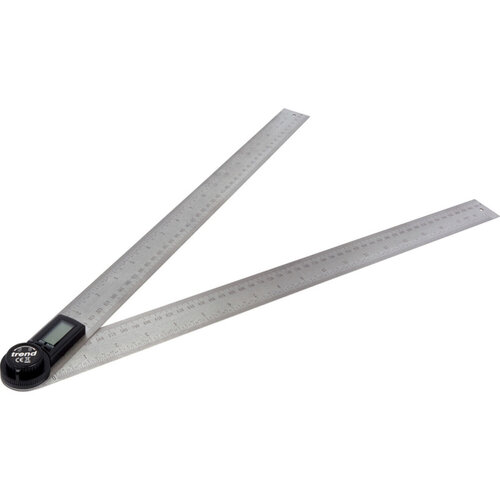
Trend Digital Angle Rule - Digital angle rule 500mm - UK Sale only
Digital angle rule with 500mm stainless steel rules for accurate angle measureme…
For the Trade
Start with the space you’ve got and how you’ll use the tool on the job. That usually cuts half the options straight away. In tight corners or on awkward mitres, a compact digital angle finder is often the cleaner pick. If you’ve got room to work, a larger body can be easier to read. If you’re checking the same angles all day, consistency matters more than extra features. Finish and accessories matter less than fit and readability. If it’s awkward in your hand, it stays in the van.
Types of Angle Finders
Manual angle finders still earn their keep when you want a quick set-and-check tool with no batteries to worry about. They suit regular site work where speed matters more than a display.
Digital angle finders work better for repeat readings and awkward mitres because the readout cuts out the guesswork. You give up a bit on cost, and you’ve got batteries to think about.
An angle finder gauge or angle measuring tool is the same buying choice in practice. Go simple for fast checks. Go digital when you need the reading clear first time.
If you’re already in Measuring Tools, this is where you narrow it by how often the angle has to be right first time.
Selection Factors for Angle Finders
What usually decides it is how you’ll use the reading after you’ve taken it. For quick setting-out and odd mitres, a simple angle finder is usually enough. There’s less to go wrong.
If you’re checking the same angle again and again, a digital angle finder saves you reading the scale by eye. It’s easier to pick up in poor light too. The trade-off is batteries and an electronic display.
Bigger bodies sit steadier in the hand and are easier to read. They can be awkward in tight corners. If the job is more about setting lines than measuring angles, Laser Levels or Laser Measures may be the better spend.
Finish the Room
Once you’ve picked your angle finders, the next call is what’s being finished around them. On a bathroom or shower job, that means panels, screens and the storage details that set the room out cleanly. On a fit-out, it’s often the wall finish and the last few accessories that decide whether the job looks thought through.
The angle finder gets the setting right. The surrounding products still need to suit the same lines and clearances. Check the finish items against the measured angles before you order the rest. That saves a return visit.
Related searches
Local availability for Angle Finders




