Remote Controls
When you’re choosing remote controls, start with what it needs to replace and what it has to work with. A straight replacement for a lost or broken unit is different from a universal option, and wireless or infrared setups suit different kit. Check the format before you order, or the button layout and device match may be wrong.
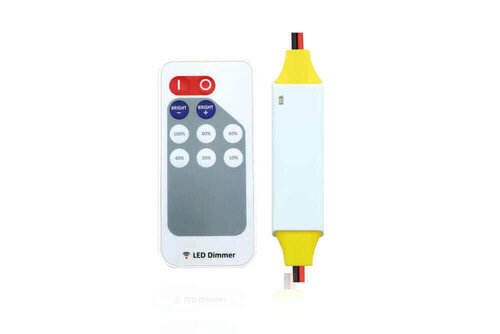
Integral RF Wireless Control and Receiver 5V-24V DC
RF wireless control and receiver, 5-24V DC
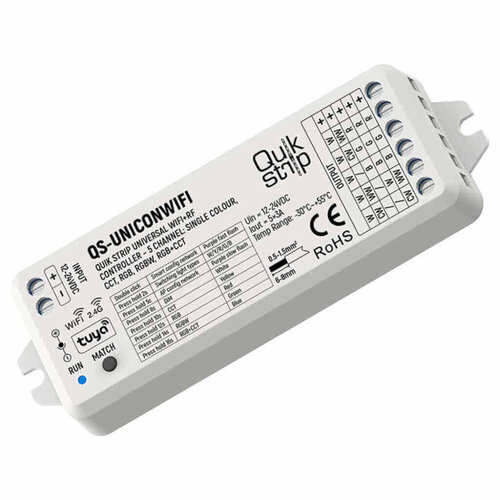
Quik Strip Universal RF+WiFi Controller - 5 Channel single colour, CCT, RGB, RGBW, RGB+CCT
5-channel LED controller with RF and WiFi for flexible lighting control
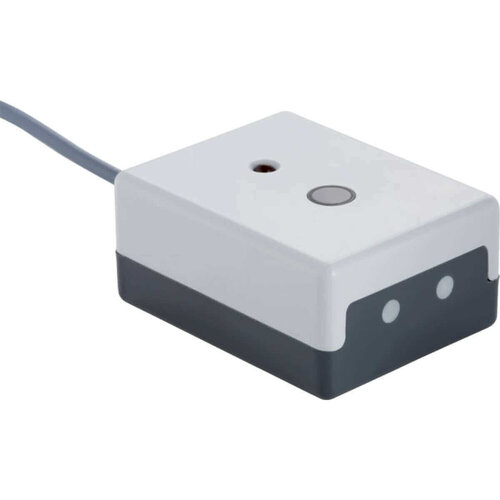
Geberit Opto-Electronic Remote Control for Aquaclean 8000Plus
Opto-electronic remote control for Geberit Aquaclean 8000Plus
For the Trade
Start with the space you’ve got and how the unit will be used. That usually settles the spec before you get into finishes or extras. If it’s a straight remote control replacement, the closest match keeps the job moving. For a wider setup, the control method and range matter more than the look. A tidy-looking choice can still miss the mark if it does not suit the room or the way it’s being used. Keep the spec tight, and the job stays simple.
Remote Control Options Compared
Universal remote controls suit jobs where one handset needs to cover a few units. You lose the certainty of a direct match, so they only make sense when flexibility matters more than exact layout.
A remote control for tv is the cleaner choice for a straight replacement. It keeps the button layout and functions closer to what the customer already knows, which cuts the risk of missing-feature calls.
Infrared remote controls still suit simple line-of-sight setups. Wireless remote controls make more sense where you are not relying on that direct path.
Remote control for lights and remote control systems come in when the spec goes beyond one appliance. That is usually the point to check the rest of the Domestic Electricals range before you commit.
Choosing Materials and Size
If you’re replacing a lost handset, match the model first and don’t overbuy. That’s where most returns come from.
Universal remote controls make sense when you need one unit to cover a few devices, but you give up the certainty of a like-for-like button layout.
For a straight remote control for tv, the exact replacement is usually the cleaner call. You keep the same functions and avoid re-learning the keys.
If the job runs beyond one appliance, look at Alarms & Sensors or Telephone Accessories only when they’re part of the same spec. Otherwise keep the order tight and buy the handset that fits the kit.
Completing the Setup
Once the handset is chosen, the next question is what else the job needs around it. On a simple replacement, that usually means checking the batteries, any wall plate or holder the client wants left behind, and whether the existing setup still needs a matching receiver or accessory rather than another full unit.
A lot of call-backs come from missing the small parts, not the remote controls themselves. If the room is being altered at the same time, keep an eye on nearby finishes and any controls that sit with the same system, so you’re not back later to finish what should have gone in one visit.
Related searches
Local availability for Remote Controls