Inspection Lamps
If you’re choosing inspection lamps, start with where they’ll be used and how long they need to run. Rechargeable models suit jobs where you’re moving round the vehicle or plant and don’t want a lead in the way. Mains-fed options make more sense if the lamp stays out for longer shifts. Beam and body shape usually settle the rest. A slim lamp gets into tighter spaces. A broader head gives you more spread across an engine bay or workshop bench.
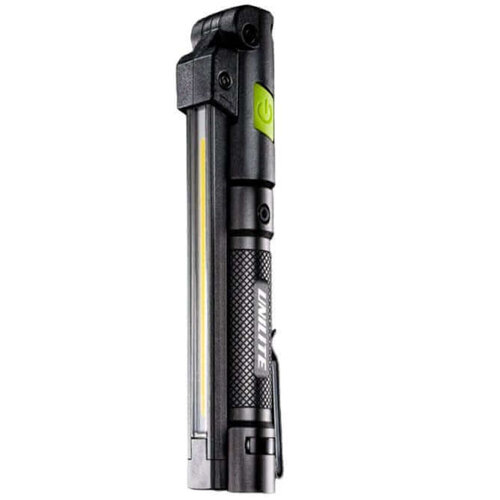
Unilite Slim Rechargeable Pocket Inspection Light - 425 lumen
Rechargeable pocket inspection light, 425 lumens, magnetic base, folding head, I…
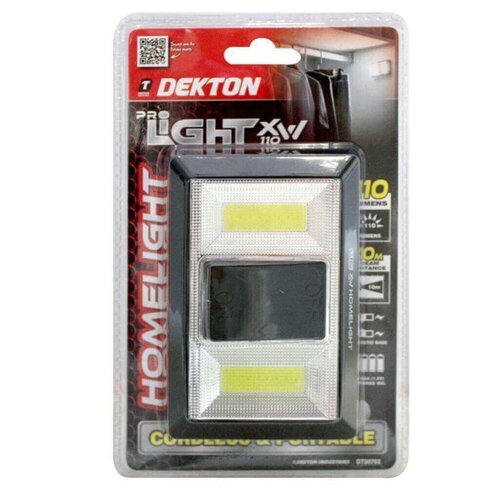
Dekton LED Pro Light - XW110 110 lumens Sunshine Homelight
110 lumen cordless LED homelight with magnetic base for inspection tasks.
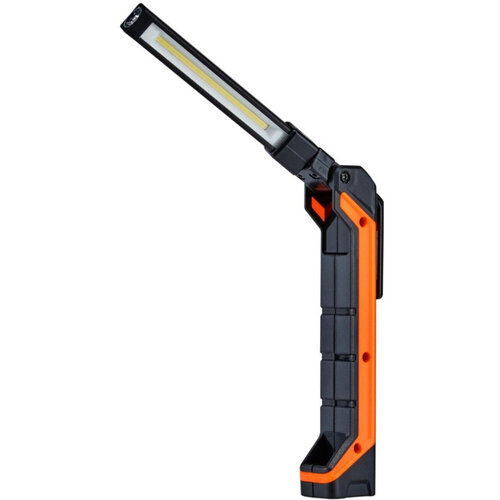
Osram LEDinspect® Pocket Inspection Light - 200lm
200lm cordless pocket inspection light with multi-angle head and magnetic attach…
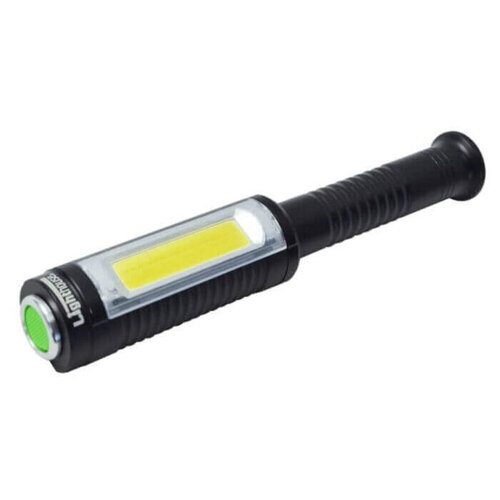
Lighthouse Elite LED Power Inspection Light - 300lm
300 lumens COB LED inspection light, magnetic base, three modes
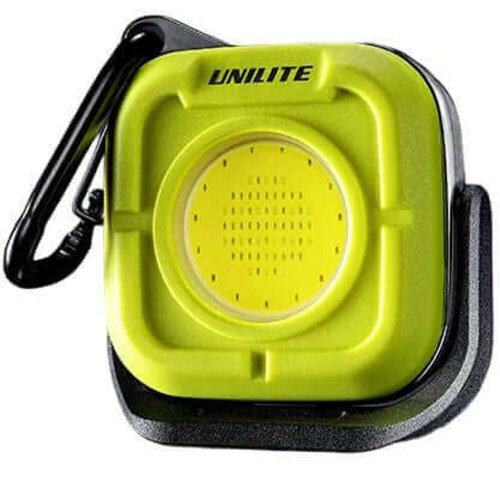
Unilite Rechargeable Multi-Beam Folding Inspection Light
Compact 550-lumen rechargeable inspection light with magnetic folding stand
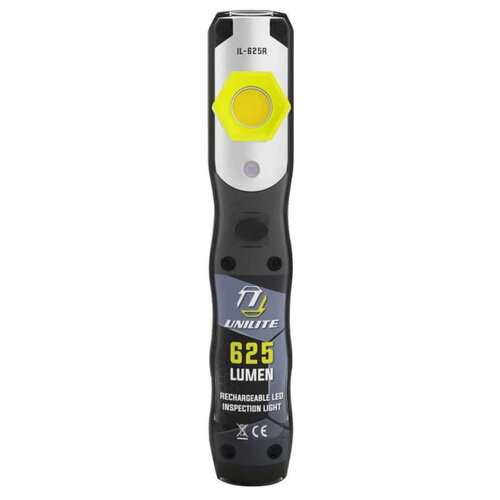
Unilite COB LED Inspection Light with UV LED - 625 lumens
IP65 COB LED inspection light with UV LED, 625 lumens
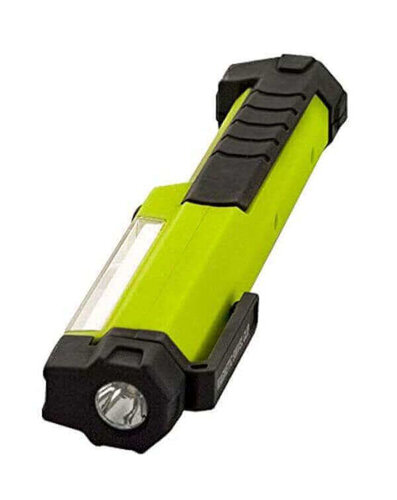
Luceco 1.5W LED Inspection Torch Magnetic Tilting USB Rechargeable with Built-in…
USB rechargeable LED inspection torch with 150 lumens, magnetic tilting base, an…
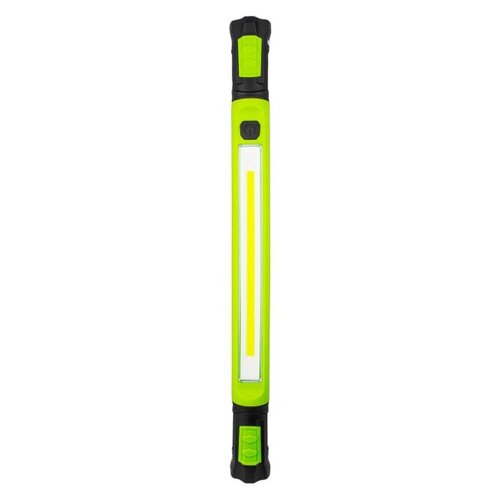
Luceco Inspection Bar Worklight - 10W 1000lm Black & green
10W rechargeable inspection bar worklight with 1000 lumens
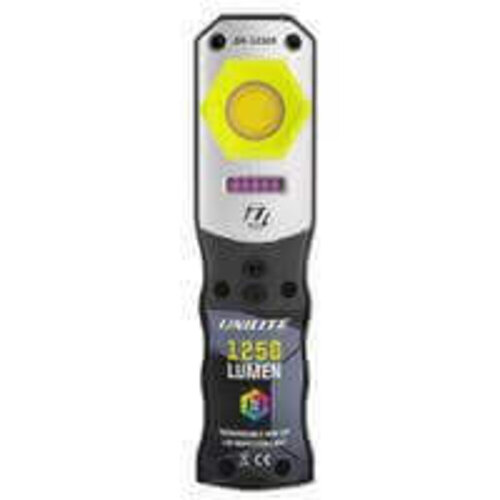
Unilite Compact Detailing Light
Compact 1250 Lumen LED detailing light with UV, IP65 and magnetic base
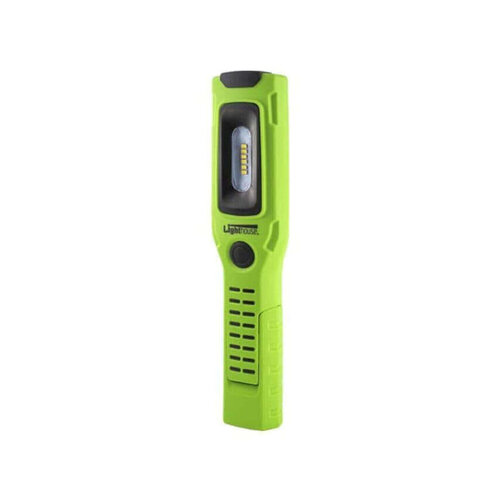
Lighthouse Rechargeable Inspection Light - 600 lumens
Rechargeable 600 lumen LED inspection light
For the Trade
Start with the space you’ve actually got and how the lamp will be used, because that usually rules out half the range before you get into extras. In a tight engine bay or under a dash, you want something that sits where you put it and stays clear of your hands. In a workshop or garage, reach and run time matter more than size alone. After that, look at how you’ll carry it, hang it, or stand it. Those details are what stop a job becoming awkward. A lot of returns come from buying on features first and layout second.
Types of Inspection Lamps
Start with the layout. A slim inspection lamp suits close work where you need light into awkward gaps. Broader inspection lights give you a wider spread, so you spend less time shifting the unit.
A led inspection lamp is the usual pick for most trade use. It runs cooler and is less fussy day to day. A mains-fed unit still has a place when you want longer sessions without thinking about charge.
Go rechargeable when you move between jobs or do not want a lead in the way. The trade-off is run time, so that needs to sit in the decision.
If you want the parent range first, start with Lighting.
Selection Factors for Inspection Lamps
Rechargeable inspection lamps suit mobile work. You are not dragging a lead round the bay, but you do need to keep an eye on charge between shifts.
A mains-fed inspection lamp is the steadier pick for longer jobs at one bench. The cable can get in the way if access is tight.
For vehicle work, check how the body sits and whether the beam is narrow enough for close work or wider for general coverage. If you’re also pricing Downlights or Commercial Lighting, keep this separate - they solve different jobs and the spec usually changes with the space, not just the light output.
Finish the Room
Once you’ve picked the inspection lamps, the next call is what the job area needs around them.
In a garage or workshop, that usually means a clean wall finish or screen where you’re working, plus storage that keeps the lamp out of the way between jobs. A dropped lamp is the one that comes back.
If the space is being refitted, the surrounding spec often lands with commercial lighting or downlights as well, but keep those decisions separate. Inspection lamps handle the work in hand. Fixed fittings finish the room and keep the area usable day to day.
Related searches
Local availability for Inspection Lamps







