Combination Plates
Combination plates are usually chosen around the job first: how many functions you need on one plate, how much room you’ve got, and whether you need a flush finish or a surface-mounted option where the boxwork won’t suit a recessed plate. Metal combination plates tend to suit a firmer face, while plastic versions keep the job lighter and simpler. The usual snag is depth and alignment. If the box is tight or the accessories are crowded, the wrong plate becomes a fight.
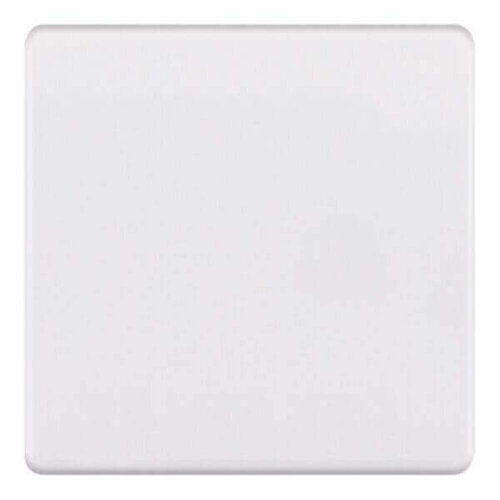
Selectric 5M-Plus Blanking Plate 1 Gang - Matt White
Selectric 5M-Plus 1-gang blanking plate in matt white, steel, 86x86mm, for cover…
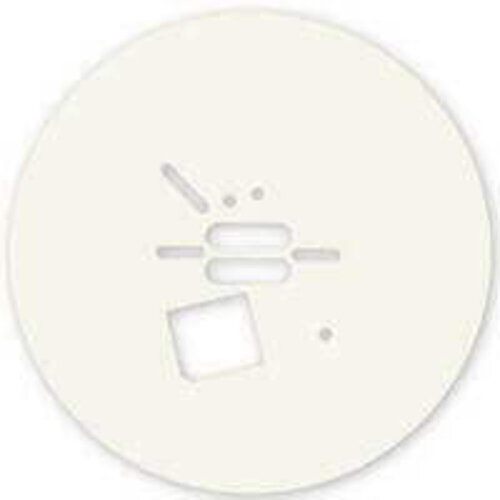
Hispec Masking Plate - 175mm White
175mm white ceiling masking plate for Hispec HSSA alarms, no redecorating needed
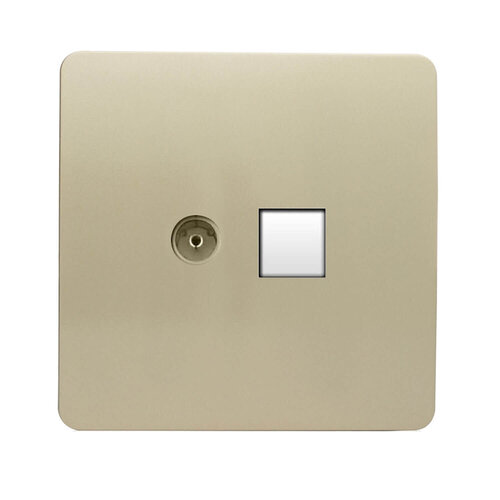
Trendi Modern Glossy TV Co-axial Socket + RJ45 Cat 5e & Cat 6 PC Ethernet Socket - Champagne Gold
Champagne gold glossy TV coaxial and Ethernet socket
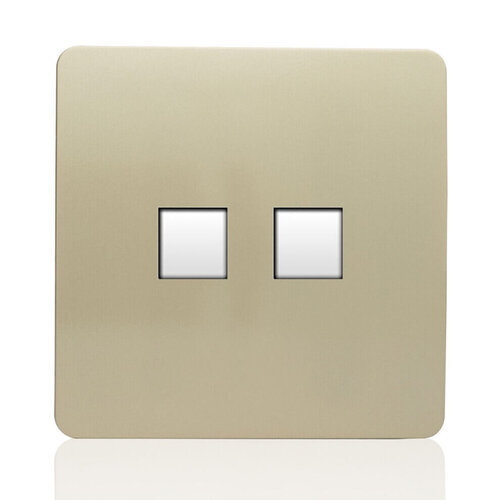
Trendi Modern Glossy Tactile Telephone Socket + RJ45 Cat 5e & Cat 6 PC Socket - Champagne Gold
Glossy champagne gold telephone and RJ45 data socket, Cat5e/Cat6
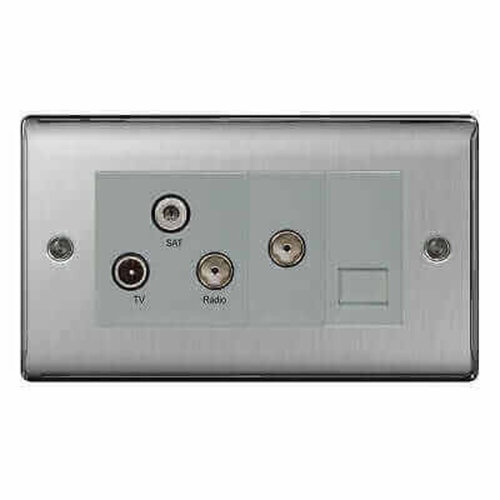
BG Electrical Nexus Metal Triplex TV/FM/SAT & Return Telephone Screened - Brushed steel
Brushed steel Triplex TV/FM/SAT & return telephone outlet plate
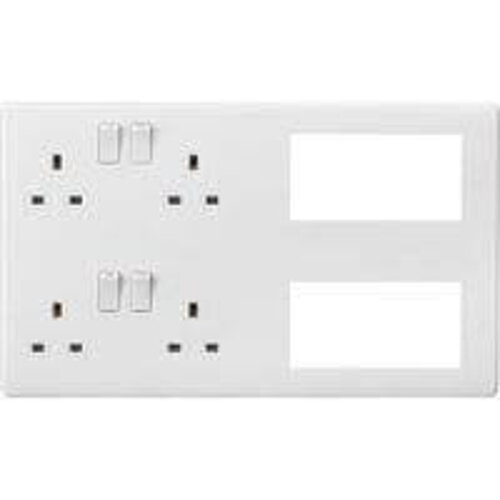
Knightsbridge Multimedia Combination Plate - White
White Knightsbridge multimedia combination plate
For the Trade
The layout and the space you’ve got usually decide the plate before anything else. If you need two functions in one position, combination plates save you opening out another point, but you still need to check the face arrangement against the job so you’re not fighting the box or the surrounding finish. Metal combination plates are usually picked where the spec wants a firmer, more durable face. Plastic is the lighter, cheaper route when the finish matters less. The ones that get called back are the plates that don’t sit right or don’t match the surrounding gear.
Combination Plate Types and Layouts
Double combination plates are the usual pick when you’re combining two functions in one spot and want to keep the wall tidy. They cut out separate accessories, but you still need to check the layout does not feel cramped.
Single combination plates suit tighter runs or simpler jobs where one extra function is enough. They give you a cleaner face when a fuller plate would look crowded.
Flush combination plates sit back with the wall, so they suit jobs where that finish matters. Surface mounted combination plates make more sense where the install will not take a recessed box.
Trade combination plates are the straightforward everyday option. Decorative combination plates or metal combination plates come in when the finish matters as much as the function. If you are matching the rest of the job out, start from the wider Wiring Accessories range and work back to the plate that fits the spec.
What to Check Before You Buy
Material is the main call here. Metal combination plates suit jobs where you want a firmer face and better resilience on site, but they can show handling marks if the work is rough.
Plastic combination plates are lighter and easier to move in quantity. They make sense when cost matters more than a heavier finish.
Check the plate style against the opening and the box behind it as well. Get that wrong and you end up revisiting the job. If you’re matching a smarter finish, look at Decorative Switches & Sockets. If the box depth or fixing is the issue, sort the Back Boxes and Pattress Boxes first.
Useful Alongside Combination Plates
Once you’ve picked the plate, the next call is the surrounding finish. On a neat refurb, it usually sits with decorative switches and sockets, so the edge detail and finish need to line up or it looks patched in.
On rougher work, you’re often finishing against back boxes and pattress boxes, and that’s where depth and alignment start to matter more than the face itself. If the room has a mixed scheme, keep the same plate style through the run rather than mixing finishes. That tends to stand out on site.
Local availability for Combination Plates



