Power Distribution & Circuit Protection
When you’re choosing power distribution, start with what the board has to feed and how much headroom you need. Single-phase kit suits straightforward domestic work. Bigger or more demanding installs usually need heavier-duty power distribution systems and the right circuit protection devices. Keep it lean and you save cost and space. Underspecifying is where the problems start.
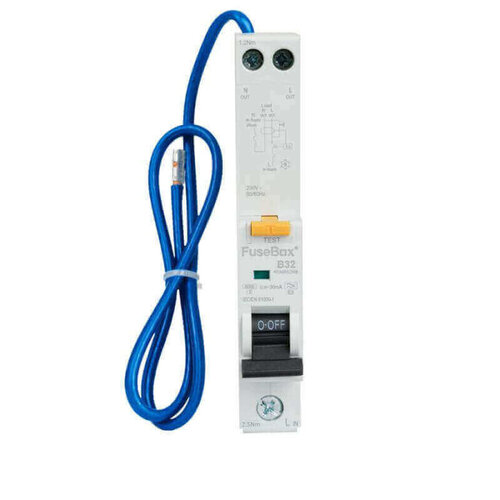
Fusebox Type A RCBO Single Pole B Curve - 32A
32A Type A single-pole RCBO with B curve for single-phase circuits
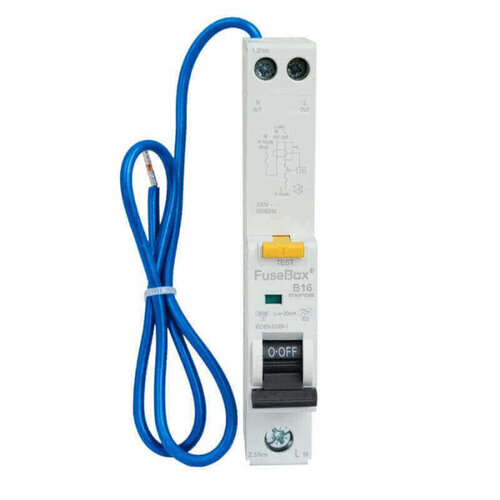
Fusebox Type A RCBO Single Pole - 16A B Curve
Type A 16A B Curve RCBO, single pole
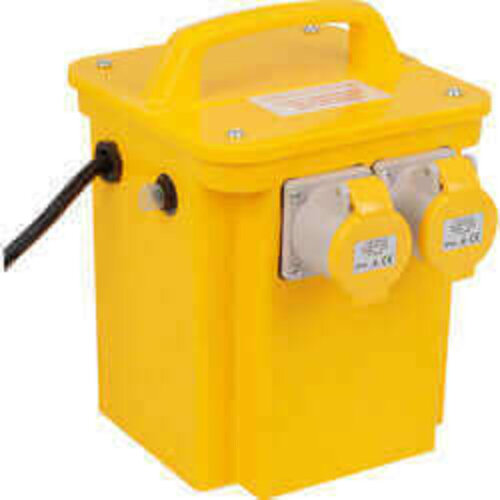
110V Tool Transformer - 3kVA 2 x 16A Outlets
110V site transformer 3kVA with two 16A outlets, IP54 rated, yellow.
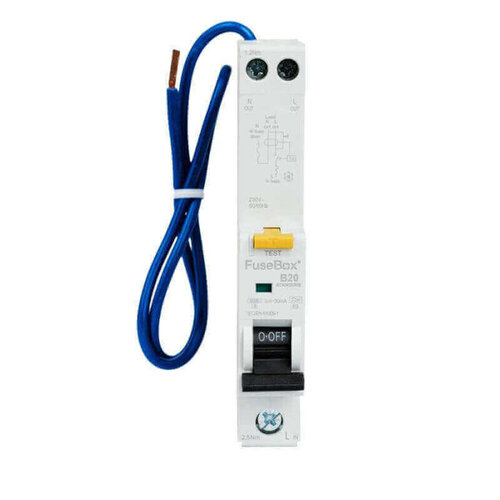
Fusebox Type A RCBO Single Pole B Curve - 20A
20A single-pole Type A RCBO, B curve, for consumer units
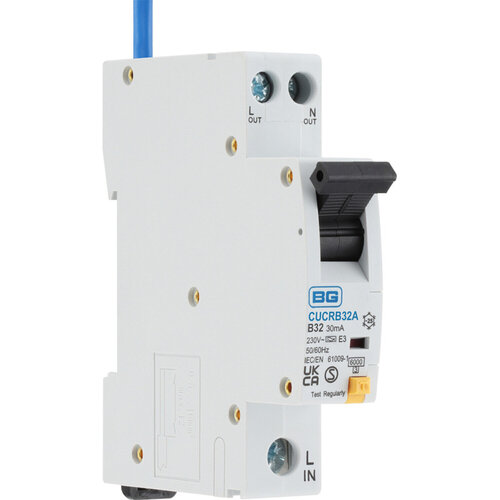
BG Compact RCBO - Type A B Curve 32A
32A 30mA Type A B Curve compact RCBO with 6kA breaking capacity
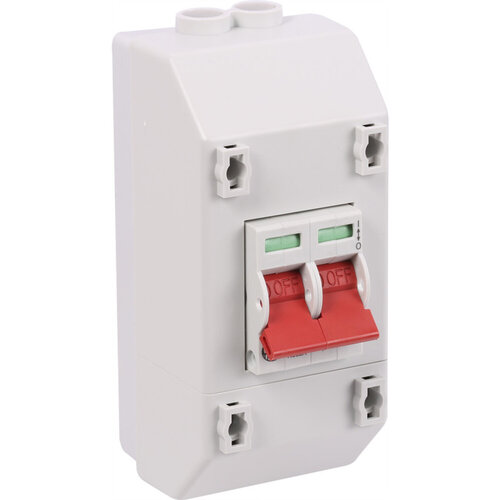
Wylex 2 Pole Isolator Switch with Enclosure - 100A
100A double pole isolator switch with enclosure for safe circuit isolation
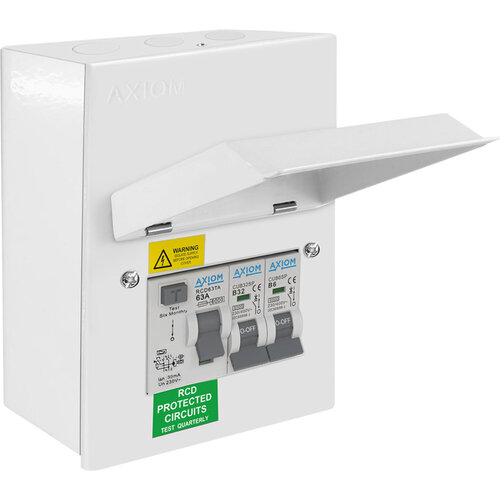
Axiom Garage Consumer Unit Type A - 2 Way
Steel 2-way garage consumer unit with 63A Type A RCD, 6A & 32A MCBs, BS EN 61439…
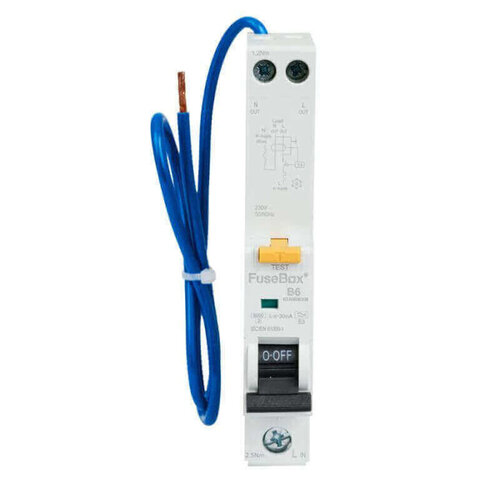
Fusebox Type A RCBO Single Pole B Curve - 6A
Type A RCBO, 6A single-pole, B curve, for residual and overcurrent protection.
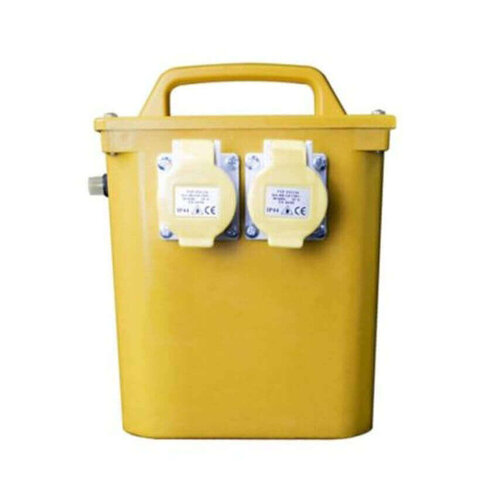
Luceco Transformer - 110V twin outlet 2 x 16A sockets 3.3kVA
110V 3.3kVA site transformer with two 16A sockets and 1.5m cable
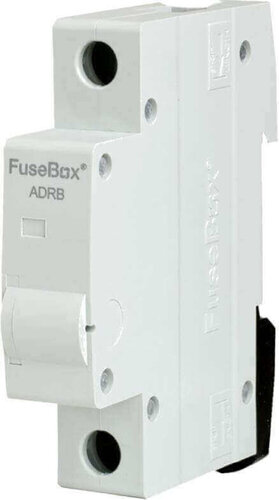
Fusebox MCB Type Blank DIN Rail Mounting - 10 Pack
10-pack DIN rail MCB blank for filling empty consumer unit spaces
For the Trade
Start with the space you’ve got and how the gear will be used. That usually fixes the layout before you look at finishes or extras. In power distribution, the wrong footprint causes more grief than the wrong label. Tight plant room access, awkward wall space, or a board that looks fine on paper but is awkward to work around will slow the job down. After that, it comes down to headroom and how much flexibility you want later. A compact setup suits straightforward work. A more open system is worth it where the install may grow or change.
3 Phase Distribution
Three phase work is where you stop comparing general power distribution and start checking load balance, motor starts and how much headroom the job needs.
If the supply is feeding plant, larger workshop kit or equipment that will not sit happily on one phase, this is the line to look at. It gives you a cleaner spread than forcing everything through a smaller setup.
You do give up some simplicity, and you need the right upstream arrangement to suit it. If the job is still on lighter duty, the rest of the range is usually the more economical call. 3 Phase Distribution
Caravan Hook Up Points
Caravan Hook Up Points suit a fixed external supply point, not general power distribution gear. Start with the supply arrangement and how the point will be used. That tells you whether you need a simple connection point or something with more built-in protection and control.
The usual mistake is over-specifying the hardware and under-thinking the cable run and access. If you only need the caravan side of the job, Caravan Hook Up Points keeps you on the right product line without drifting into the rest of the range.
Commercial Power Distribution
Commercial jobs usually come down to three things: how much load you’re carrying, how the distribution is being fed, and how much room you’ve got for the kit.
Commercial Power Distribution sits in this range when you need a more site-focused setup than the lighter domestic side. It gives you the protection and layout to keep the install tidy. The trade-off is simple. More capacity and flexibility usually means more hardware and more planning, so you do not want to overbuy if the job does not need it.
Consumer Unit Accessories
Consumer Unit Accessories are the bits you pick when the board stays in place, but the job still needs finishing properly. That covers blanks, labels, busbar parts, covers and the small fittings that save a return visit. Compatibility comes first, then how much of the board you need to alter without changing the whole assembly.
A lot of call-backs start with missing trim, a loose cover or the wrong accessory for the make. Match the board rather than assume one part fits all. If you need the complete assembly instead, look at the main consumer unit range rather than building around the wrong parts.
Consumer Unit Device Kits
Consumer Unit Device Kits come into play when you’re building the board to suit the job, not just filling it. You’re usually choosing between a kit that keeps the install tidy and one that gives you more flexibility on device mix, spare ways, or later changes.
Compatibility is the main thing. Get the wrong kit and you end up sorting parts on site. If you already know the board and the protection layout, these are the quicker route. Loose components still make sense when you need to pick every part separately.
Consumer Units
Consumer units are the pick when you need a complete board, not loose parts or add-ons. The main call is how much capacity you need now, and how many spare ways you want left. Too small and you’re back swapping boards. Too big and you’ve paid for space you may never use.
For domestic power distribution, the trade-off is usually between a compact board and one with room for extra circuits later. If the spec is straightforward, keep it simple. If the install is likely to grow, allow for that at the start.
Selection Factors for Power Distribution & Circuit Protection
Feed and capacity come first. They tell you whether a compact arrangement will do the job or whether you need more ways and headroom.
Then check what is fixed now and what may change later. A board with no spare space can force an early change.
If you’re finishing off a board, Wiring Accessories keep the install tidy and serviceable. They do not make up for the wrong base gear. The usual mistake is buying for today’s load and forgetting the next circuit.
Finish the Room
Once the main gear is chosen, the next call is usually the finish around it. If the board sits in a visible area, you’ll want the right panel or screen so the install looks deliberate rather than patched in. Storage or enclosure parts matter when the job needs a cleaner, serviceable layout.
Where the surrounding wall finish is already set, that often decides the size and depth more than the kit itself. The neat job leaves enough access for the next visit, not just enough room to get it signed off today.
Related searches
Local availability for Power Distribution & Circuit Protection