Back Rests
Back rests come down to how much support you need and where they’ll be used. Fixed wall-mounted options suit a permanent setup, while adjustable back rests and padded back rests give you more control when the user position changes or comfort matters more. If you need extra side support, back rests with arms are the one to look at, but they take up more room and can get in the way on tighter layouts. The usual mistake is buying on comfort alone and finding the frame or fixing method doesn’t suit the job.
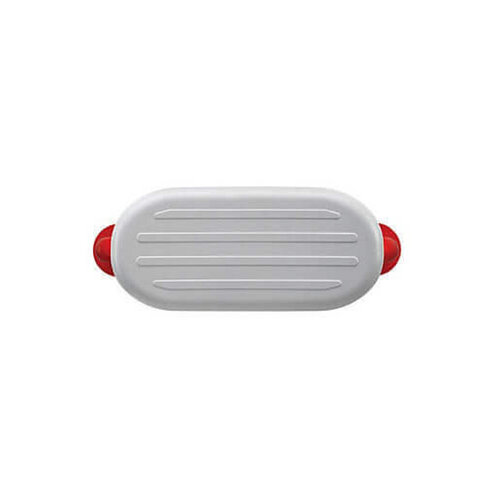
Ideal Standard Toilet Cushion Back Support New Design - Neutral
Toilet cushion back support in neutral
For the Trade
What usually decides it is the space you’ve got, how much support the user needs, and whether the fixing point is taking the load or just helping the seat. On tighter jobs, a slimmer back rest keeps things cleaner. If the user needs more help sitting upright, you’ll usually move up to a more supportive frame or one with arms. Padded back rests are worth a look when pressure points matter, but they do add bulk, and that can be awkward in a small shower. Check the fixing method early. A good back rest is no use if the wall or seat arrangement won’t take it.
Back Rest Options Compared
Adjustable back rests suit jobs where you may need to tweak the user’s position after fitting, because you can alter the angle without changing the whole setup.
Padded back rests work better when comfort matters more than fine adjustment. You lose some control, and they can feel bulkier in a small shower area.
Back rests with arms help when the user needs more side support getting settled, but they take up more room and can get in the way on compact layouts.
For a straightforward spec, trade back rests keep things simple. For Assisted Living jobs where the room is tight, that extra width is often the first thing to rule out.
Choosing Materials and Size
The first question is where the support needs to sit, and how much adjustment you want once it’s fixed. Wall-fixed back rests suit a permanent fit and usually stay tidier in use. Portable or adjustable back rests make more sense when the position may need changing between users or rooms.
If the job is being built around other assisted living items, check the surrounding spec early - Accessible Basins and Doc M Packs often set the layout before the back rest is picked. Padded back rests give a softer contact point, but they can take up more room in tighter spaces.
Completing the Setup
Once you’ve picked the back rests, the next call is what else needs to sit around them. On a proper assisted-living job, that usually means checking the adjacent finishes, any storage the user needs within reach, and whether the surrounding layout leaves enough clearance for the rest of the kit.
A back rest that looks right on its own can still be awkward if the basin position, screen line or wall finish pushes it into the wrong place. Most trades finish the room from the user’s reach and movement first, then work back through the fittings rather than treating each item in isolation.
Related searches
Local availability for Back Rests

