Polishers
Polishers come down to the finish you need and how much control you want over the job. Rotary models suit heavier correction and faster cut, while dual action polishers give you less risk of marking the surface. Variable speed helps when you move between cutting and finishing. Cordless polishers are useful where leads get in the way. Mains and pneumatic options still make sense for longer shifts. A compact body is easier round mirrors, bumpers and tight panels, while larger machines cover open areas more quickly.
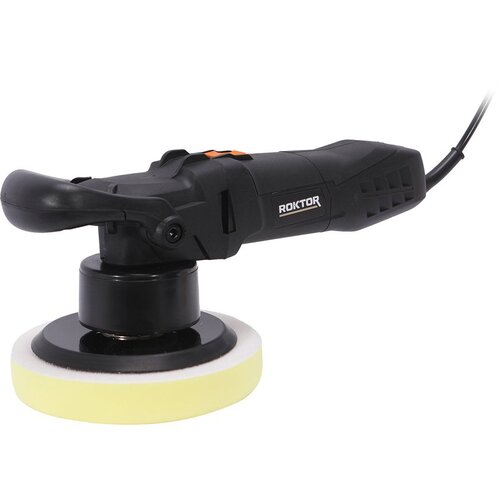
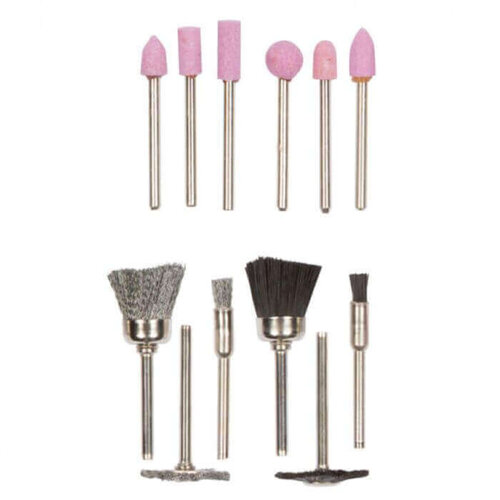
Blue Spot Polishing Tool - 12 Piece Set
12-piece polishing tool set with mounted stones, steel and nylon brushes for int…
For the Trade
Start with the space you’ve got and how the job will be used, then the rest of the spec usually falls into place. On a tight bay or awkward access, you want polishers that are easy to handle and not a fight to keep moving. If the job is larger or more repetitive, weight, balance and run time matter more than a shiny finish on the box. Cordless polishers suit quick movement between panels, but mains or pneumatic options still make sense where you want steady output and less battery management. After that, look at speed control and pad choice. That is where you avoid wasting time on the wrong setup.
Types of Polishers
The main split is power source and control.
Cordless polishers suit work where you need to move round the vehicle without a lead in the way. You give up some sustained output, so they fit lighter or more mobile jobs.
Electric polishers are the steady workshop choice. They keep going without battery management, which makes them easier for bench use and longer runs.
Pneumatic polishers only make sense if you already run air properly. They stay light in the hand, but the hose and compressor keep you tied to the bay.
Variable speed polishers give you more control. Run them slow for finishing, then increase speed when the job needs more bite.
If you are comparing the wider Power Tools range, the job and the power source usually decide it.
Selection Factors for Polishers
Space is usually the first thing to settle.
Compact polishers suit tight panels and awkward edges, where a bulky body gets in the way. The trade-off is simple: less reach and less comfort on longer runs.
For bigger flat areas, a fuller-bodied machine is easier to hold steady and less tiring over a shift. Battery choice matters too. Cordless polishers keep the lead out of the way. Mains units suit bench or workshop work when run time matters more.
If the job also needs other kit, Glue & Heat Guns and Impact Drivers & Wrenches are the usual next counters to hit.
Finish the Room
Once you’ve picked the polisher, the next call is usually the consumables and the finish around it. Pads make more difference than most lads expect - the wrong one will leave you chasing the result, even with a decent machine.
If you’re working a vehicle or other painted surface, check the backing plate, compounds and any masking or edge protection you need before you start. The jobs that run smoothly are the ones where the pad, finish and access kit are sorted together, not bought in bits after the machine turns up.
Related searches
Local availability for Polishers


