Compression Tools
Compression tools come down to what you’re compressing and how much force you need. The wrong format slows the job down. For plumbing work, a simple hand tool is usually enough. For tighter or heavier assemblies, hydraulic compression tools give you more control and less strain, but they are bulkier and cost more. If you are buying for workshop use, start with the format. A compact tool is easier to keep in the van, while heavy duty options suit regular repair work where repeat use matters.
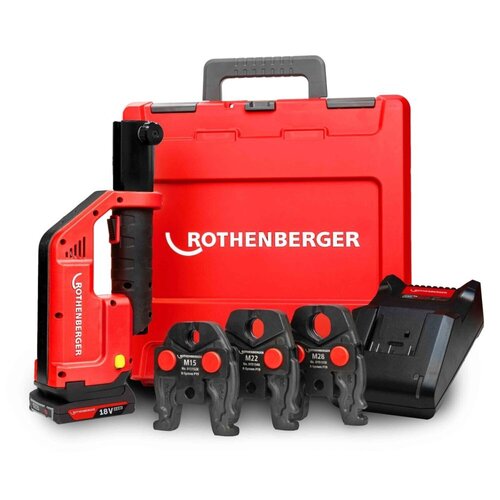
Rothenberger Compact III Press Tool & Jaw Set M15-22-28 AMP - 2Ah
Compact 34 cm press tool with 3-second cycle for metal and plastic fittings
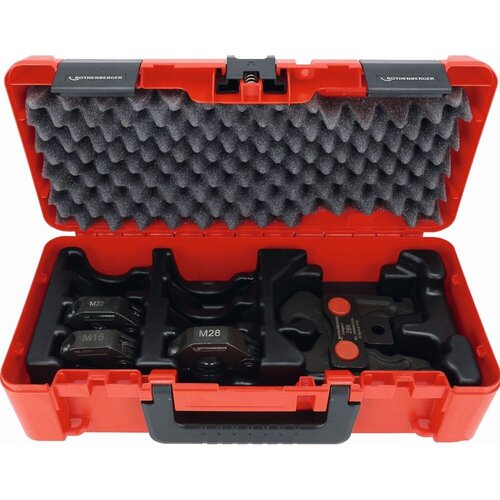
Rothenberger Press Ring Set with ZBR Compact - M15-22-28
M profile press ring set 15-22-28mm with ZBR Compact actuator for metallic pipes
For the Trade
Start with the space you’ve got and how the job will be used, because that usually decides the format before anything else. On a tight bay or where access is awkward, you want compression tools that are easy to position and reset without wasting time. If the job is heavier or you’re doing repeated work, hydraulic compression tools are the usual call because they take the strain off the operator. They are not the answer where you need something quick and simple. Finishes and accessories matter later. The wrong layout is what slows you down and gets left on the bench.
Compression Tool Options Compared
Hydraulic compression tools are the ones you reach for when the job needs controlled force and you do not want to fight the tool as well as the fitting. Trade compression tools suit day-to-day workshop work where speed and handling matter more than brute force. Heavy duty compression tools make more sense when the load is higher or the work is repeated and you want a bit more margin.
Compression fittings tools are the more specific buy when the task is centred on fittings rather than general workshop use. Compression tool accessories only earn their keep if you are already set up and just need to extend what you have got. For automotive work, a compression tool for automotive usually needs to be easier to position than a general Mechanics Tools option, but that can mean giving up some versatility.
Choosing Materials and Size
What usually decides it is force, access and how often you’ll use it. For repetitive jobs or controlled pressure, hydraulic compression tools are the cleaner buy. They cost more and weigh more, but they hold their line better under load.
For lighter workshop work, trade compression tools are quicker to handle. They suit jobs where speed matters more than brute force, though they are not the answer when the load climbs.
If you already run a compressor, Air Compressors and Air Tools can shift the job on. That only pays off when the rest of the kit is already in place.
Completing the Setup
Once you’ve picked the right compression tools, the next call is usually the bits around the job that stop you going back for extras. In a plant room or service area, storage and a proper screen or panel matter because loose kit gets lost and the work area clutters up fast.
On vehicle jobs, the surrounding finish is less about looks and more about access. Keep the bay clear while you move between tasks. Check the adjacent fittings and consumables before you start. It’s the small missing parts that hold a job up, not the main tool.
Related searches
Local availability for Compression Tools

