Brake Tools
Brake tools come down to the job in front of you: caliper work, pad changes, bleeding, line repair or rear shoe adjustment. The right choice is the one that matches the brake system and saves you fighting the job - a dedicated brake caliper tool is worth it where piston wind-back is the issue, while a general brake repair tool suits mixed work across different vehicles. Compatibility and access are what catch you out. The wrong layout wastes time, and the wrong size stays in the box.
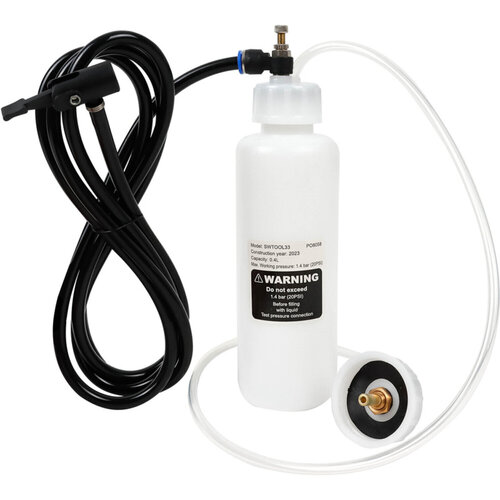
Streetwize Car Brake & Clutch Bleeder Tool Kit
Car brake and clutch bleeder kit using spare wheel air pressure
For the Trade
Start with the space you’ve got and how the job will be used, because that usually decides the layout before you look at anything else. Tight wheel-arch access calls for compact brake tools. On repeat jobs, that smaller format is easier to keep moving. If you cover mixed work, a broader brake repair tools selection saves you coming back for another piece. Brake caliper tools matter when the caliper side is the main issue. Brake bleeding tools matter more when the fluid side of the job is what slows you down. The kit that stays in the drawer is usually the one that looked complete, but didn’t suit the work.
Brake Tool Types and Layouts
The first split is usually between dedicated and general brake tools. Brake caliper tools suit pad and piston work when you want the right drive and less faffing. Brake bleeding tools are the ones you reach for when the job is fluid change or a bleed that needs to go cleanly first time.
Brake adjustment tools still earn their keep on rear shoe jobs, but they are a poor buy if most of your work is modern caliper service. A broader brake repair tools selection makes sense when you are covering varied jobs, though you do give up a bit of specialism.
If you want the wider trade counter view, Mechanics Tools sits around the rest of the kit you will usually be choosing alongside it.
What to Check Before You Buy
What usually decides it is access, repeat use and how much of the job you’re covering in one go. For one-off caliper work, lighter brake tools are usually enough. If you’re doing regular brake repair across different vehicles, a more complete brake tool kit saves you swapping kit mid-job.
Bleeding jobs need a setup that keeps the process controlled. Line work needs the right flare and release tools, not a general kit. Powered kit only makes sense when the volume is there, so Air Compressors and Air Tools are worth it when the work justifies them. Otherwise, hand tools are the cleaner buy.
Useful Alongside Brake Tools
Once you’ve picked the brake tools, the next call is what sits around the job. If you’re doing repeat work, a proper storage case or drawer layout saves time. Loose caliper bits and bleed gear go missing fast.
For workshop jobs, keep an eye on the surrounding kit too. A clean bench, decent lighting, and the right consumables for the rest of the brake repair often matter more than another duplicate tool. If the job sits within a bigger service bay setup, that’s where the neighbouring mechanics tools ranges earn their keep.
Related searches
Local availability for Brake Tools

