Window Coverings
When you’re choosing window coverings, start with the job in front of you. Light control, privacy, and how much depth you’ve got to work with usually decide it. A simple roller or venetian suits most straight runs. Thermal or blackout options make more sense where heat loss or room darkening is the brief. The usual snag is measuring for the finish you actually need. A neat decorative blind can look right, but if privacy comes first, that’s the one that wins.

Purlfrost Plain Frosted Window Film - 1m x 2m
Self-adhesive frosted window film providing privacy and daylight, 1m x 2m
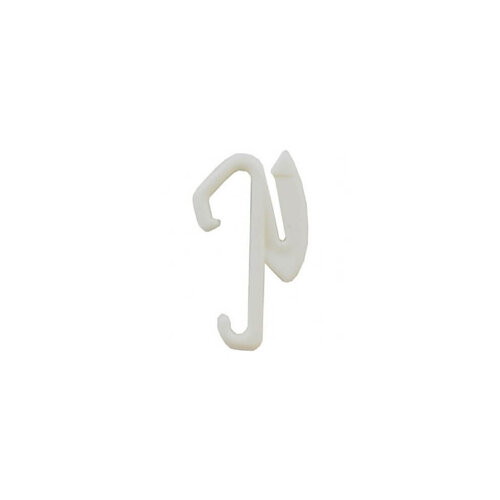
Fastpak Solo Curtain Hooks VP2342 - 12 per Pack
Pack of 12 curtain hooks
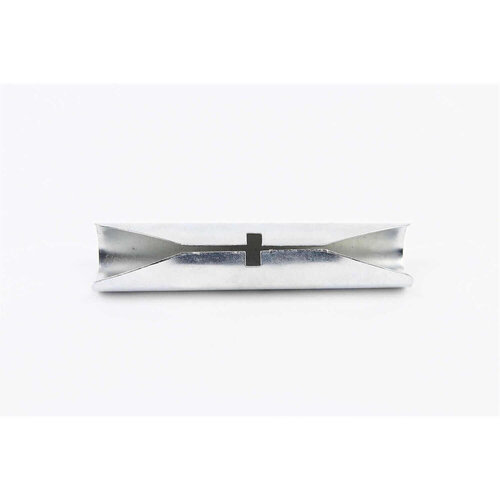
Rothley Curtain Pole Extender
25mm silver curtain pole extender for invisible seamless joins
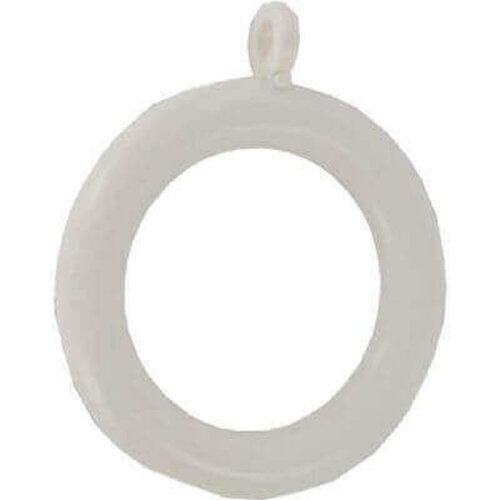
Fast-PAK Curtain Pole Ring - 56mm White
56mm white curtain pole ring
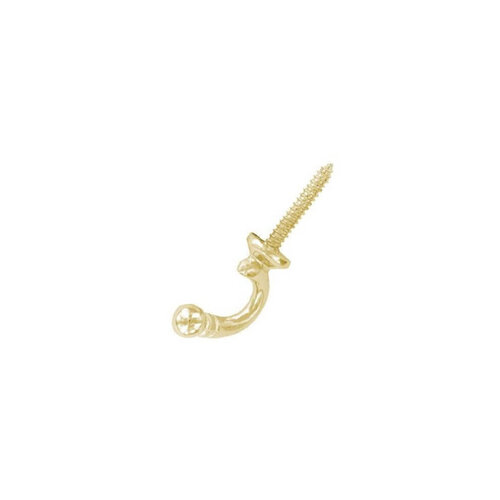
Fastpak VP2229 Ball End Curtain Tiebacks Brassed - 2 per Pack
Ball end curtain tiebacks, brass plated, pack of 2
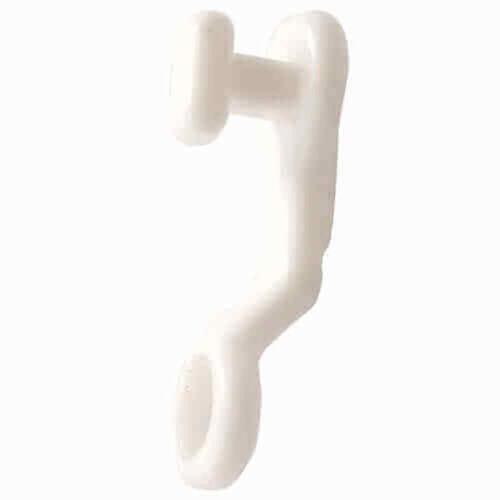
Select Hardware Curtain Glider for Swish Nova Deluxe - 10 Pack
Pack of 10 curtain gliders for Swish Nova Deluxe
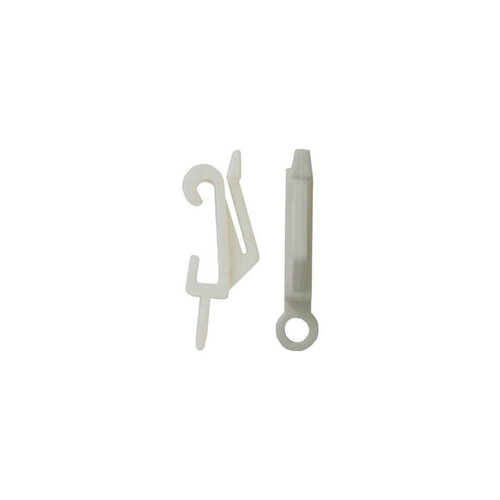
Drape Curtain Hooks Value Pack - White/Silver 12 Pack
12-pack of white and silver drape curtain hooks
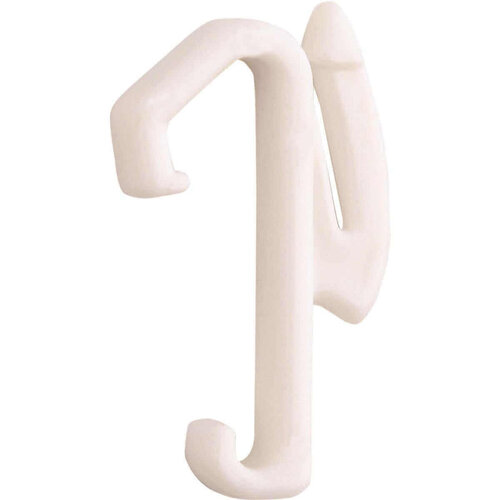
Select Hardware Curtain Glide Hooks Sologlide - White 8 Pack
Pack of 8 white curtain glide hooks for smooth curtain movement
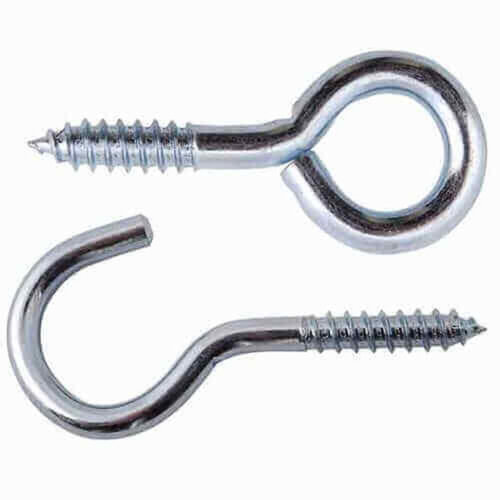
Select Hardware Curtain Wire with Hooks/Eyes - 1.8m
1.8m curtain wire kit with hooks and eyes included
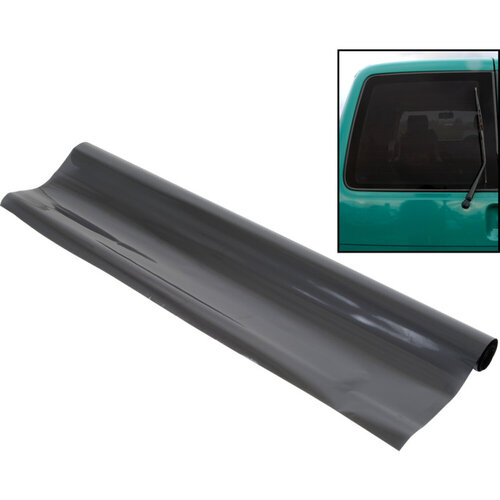
Black Window Film - 76 x 152cm
Black self-adhesive window tint film, 76x152cm, with smoothing applicator
For the Trade
Start with the opening and how it’ll be used, then worry about the finish. Tight access, awkward frames, or a need for a clean run with fewer breaks will usually matter more than colour or pattern. If privacy has to hold through the day, you spec differently than on a room that only needs glare cut back. Most call-backs come from choosing on looks first and finding the product does not suit the job. With window coverings, get the practical brief clear first, then narrow the finish after that.
Window Covering Options Compared
Window blinds suit straight runs where you want quick light control and a tidy, repeatable look. They keep the opening practical rather than decorative, and they work well when you need a clean finish that is easy to live with on site.
Window shades are the softer option when you want less hardware showing and a simpler face to the room. You lose some of the fine adjustment you get from slats, but the result is calmer and less mechanical.
Thermal window coverings are the call where heat retention matters. Blackout window coverings fit jobs where darkening is the main brief. Privacy window coverings sit between the two. They screen the view without cutting out all the light.
If you’re matching the rest of the job, it’s worth checking the wider Windows & Window Fittings range before you commit.
Choosing Materials and Size
Start with what the job needs to do, then work back from there. If you want quick light control and a straightforward fit, Blinds usually make sense. If you need a sheeted finish or more coverage over the frame, Glazing Sheets are the better call.
The usual mistake is buying on appearance alone, then finding the spec needs more screening, more coverage, or a cleaner edge. Measure the opening properly, then check how much stack, overlap, or projection you can live with. That usually decides the format.
Completing the Setup
Once the window coverings are picked, the next call is usually what sits around them. If the opening needs a cleaner finish, sort the surrounding panels and trims rather than changing the covering itself.
Where the job includes a sill or a deeper reveal, deal with that at the same time. A mismatch there stands out once everything else is in. On larger schemes, screens and adjacent finishes matter too, especially when you’re keeping the line tidy across several openings. It’s the sort of detail that avoids a return visit after the main fit is signed off.
Related searches
Local availability for Window Coverings






