Designer Radiators
Designer radiators are usually chosen when the job needs more than a plain heat source. Shape, finish and output all matter. Vertical units suit tight wall space. Horizontal layouts still make sense where you want a cleaner run under windows or along longer walls. The usual trade-off is appearance against straightforward replacement sizing, so check the wall space and existing pipe position before you commit.
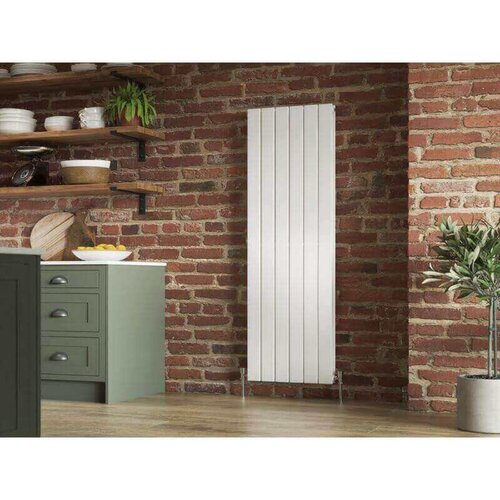
Stelrad Softline Concord Plane Designer Radiator Vertical K2 - 2000mm x 740mm
Designer vertical radiator 2000x740mm, 2310W, white
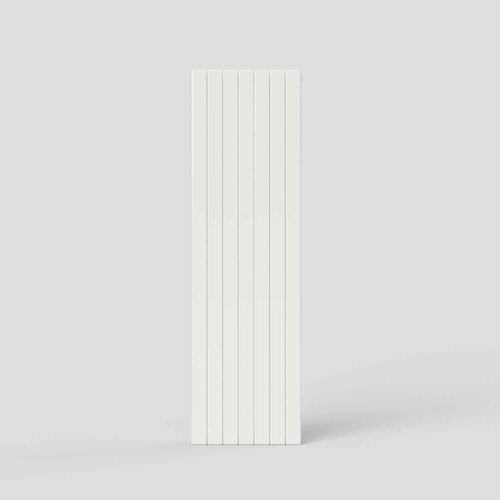
Revive Radiators Slat Double Flat Panel Vertical Radiator - 1800mm x 520mm White
1800mm x 520mm white double flat panel vertical radiator with 4921 BTU output
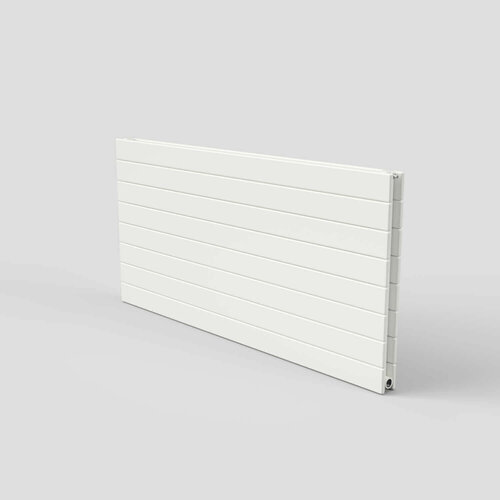
Revive Radiators Slat Double Flat Panel Horizontal Radiator - 600mm x 1200mm White
Double flat panel horizontal radiator, 600 x 1200 millimetres white, 4374 Btu
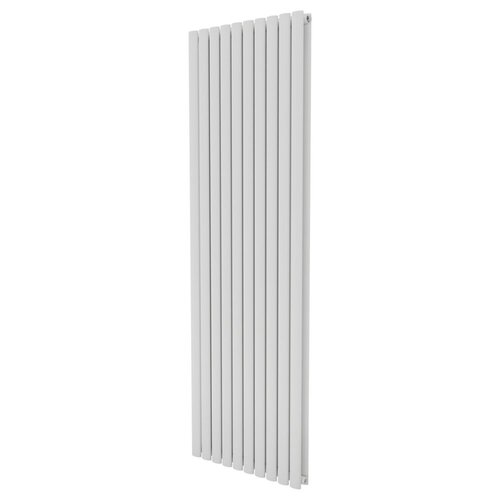
Plumbright Pearl Duplex Vertical Oval Tube Designer Radiator - 1800mm x 584mm White
1800x584mm white vertical oval tube designer radiator for central heating.
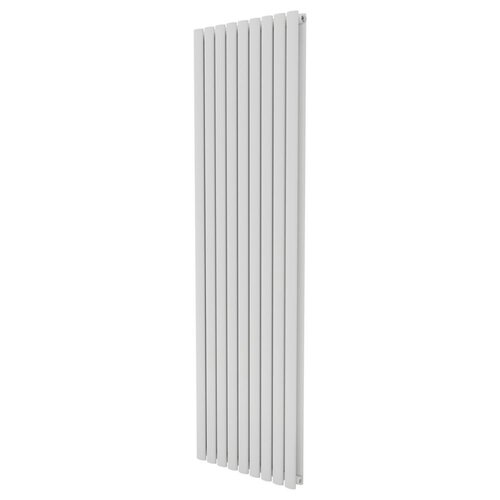
Plumbright Pearl Duplex Vertical Oval Tube Designer Radiator - 1800mm x 526mm White
Plumbright Pearl Duplex designer radiator, 1800mm x 526mm, white, steel, central…
Plumbright Elegance Duplex Vertical Panel Designer Radiator - 1500mm x 445mm White
White double panel designer radiator, 1500mm x 445mm, 3399 BTU
Plumbright Elegance Duplex Vertical Panel Designer Radiator - 1800mm x 595mm white
1800x595mm white double panel vertical designer radiator
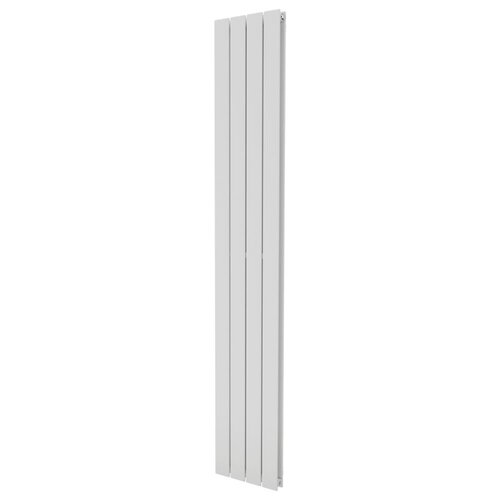
Plumbright Elegance Duplex Vertical Panel Designer Radiator - 1800mm x 295mm White
White vertical double panel radiator, 1800mm x 295mm, for central heating
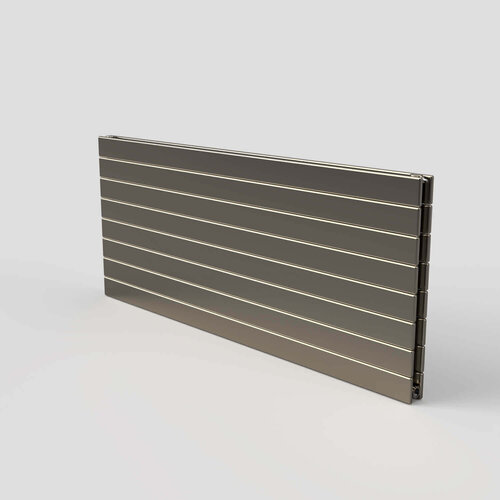
Revive Radiators Slat Double Flat Panel Horizontal Radiator - 600mm x 1400mm Raw Metal
Raw Metal double flat panel radiator, 600x1400mm, 5108 BTU
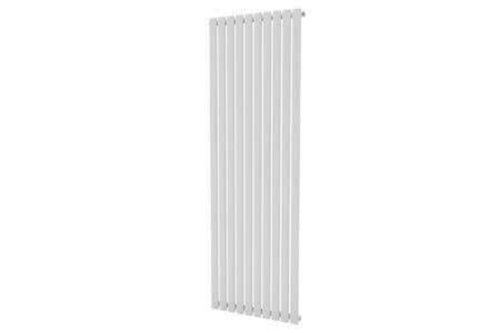
Plumbright Pearl Vertical Oval Tube Designer Radiator - 1800mm x 584mm White
White vertical oval tube designer radiator, 1800mm x 584mm.
For the Trade
Start with the space you’ve got and how the room will be used. That usually decides more than the finish. If the wall is awkward, the pipework is fixed, or the client wants a certain look, the choice narrows fast. Designer radiators are the ones you pick when a standard panel won’t suit the layout or the brief, but you still need a sensible heat source. Most call-backs come from choosing on appearance first and checking the dimensions later, so get the size and fixing position clear before you get drawn into colours or styles.
Types of Designer Radiators
Flat panels, ladder styles and more sculpted formats all do the same basic job, but they suit different briefs.
Choose a cleaner profile for a modern fit-out. It keeps the wall quiet and does not pull focus.
Go for a more pronounced style when the radiator is meant to be seen. That gives you more visual weight, but it also makes the unit part of the room layout.
Stick with a simpler shape where you do not want the radiator taking over the wall.
Finishes and colours change the read as well. White stays the easiest to blend in. Darker or metallic options shift the look and can lift the spec.
Radiators is the parent range if you are comparing this against more standard layouts.
Selection Factors for Designer Radiators
If you’re pricing up designer radiators, finish and profile usually come first, not heat output. A powder-coated or matt face hides handling marks better on a busy fit-out. Polished or metallic finishes need more care because they show fingerprints and scratches.
Slimmer modern designer radiators suit tighter wall runs where you want the unit to sit back visually. You give up some presence compared with chunkier styles.
If the room needs a neater finish around the radiator, factor in Radiator Covers. If the wall is losing heat, Radiator Foil is the add-on that makes sense.
Finish the Room
Once the main radiator is chosen, the next call is usually what sits around it. A cover can tidy a poor wall or hide an awkward pipe run, but it will hold back some output, so use it only when appearance matters more than maximum heat.
Foil is the other common add-on where the radiator sits on an external wall and you want to stop heat disappearing into the brickwork. In bathrooms and utility spaces, check whether the finish needs to work with screens, storage or other wall fittings. That is where the job usually looks unfinished if you leave it to the end.
Related searches
Local availability for Designer Radiators