Designer Radiators
Designer radiators are usually chosen when the job needs more than a plain heat source. Shape, finish and output all matter. Vertical units suit tight wall space. Horizontal layouts still make sense where you want a cleaner run under windows or along longer walls. The usual trade-off is appearance against straightforward replacement sizing, so check the wall space and existing pipe position before you commit.
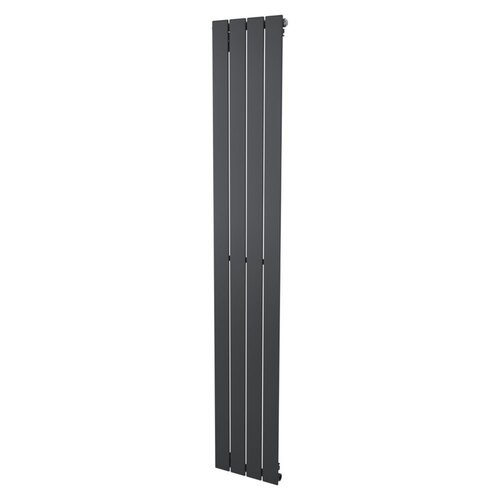
Plumbright Elegance Vertical Panel Designer Radiator - 1800mm x 295mm Anthracite
Anthracite designer radiator 1800mm x 295mm, for central heating systems
Stelrad Concord Plane Designer Radiator Double Convector - 592mm x 800mm White
592x800mm white double convector radiator, 1358W, 4634 BTU/h, 5yr guarantee
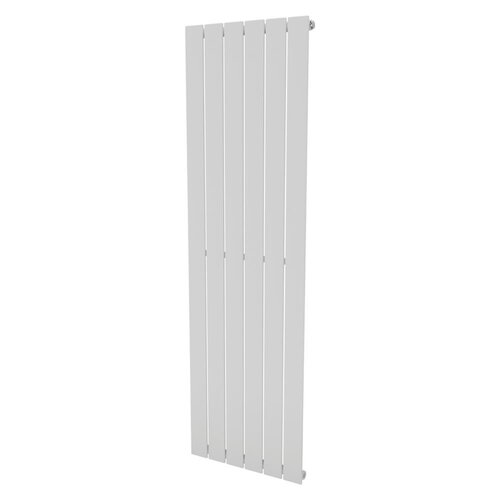
Plumbright Elegance Vertical Panel Designer Radiator - 1500mm x 445mm White
White vertical designer radiator, 1500x445mm, for central heating
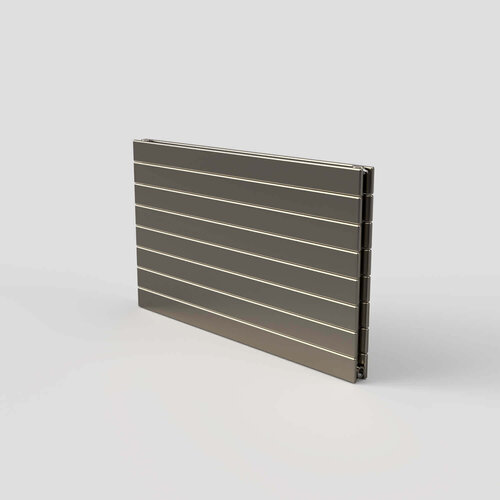
Revive Radiators Slat Double Flat Panel Horizontal Radiator - 600mm x 1000mm Raw Metal
600x1000mm horizontal double flat panel designer radiator in raw metal lacquered…
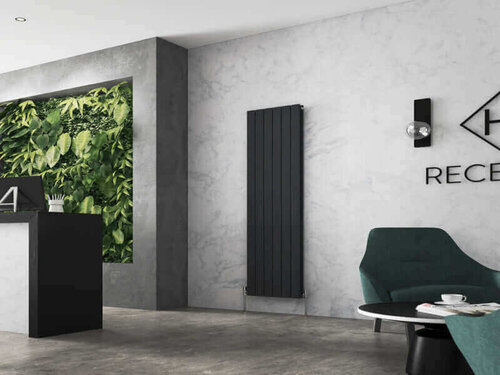
Stelrad Softline Concord Plane Concept Designer Radiator Vertical K2 - 1800mm x 592mm
Vertical designer radiator, Type 22, 1800 x 592mm, black, 15-year warranty
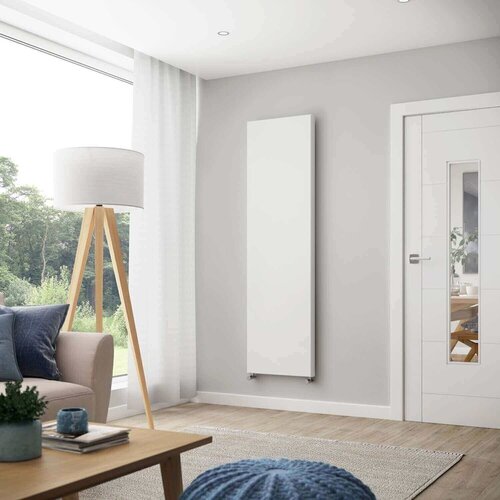
Stelrad Softline Plan Vertical K2 Double Panel Radiator - 1800mm x 400mm
White vertical Type 22 double panel radiator, 1800mm x 400mm, with integrated si…
Plumbright Elegance Duplex Vertical Panel Designer Radiator - 1800mm x 445mm white
Elegance Duplex vertical double panel designer radiator, 1800 x 445 mm white
Stelrad Concord Plane Designer Radiator Double Convector - 592mm x 1400mm White
Stelrad Concord Plane 592x1400mm white double convector radiator
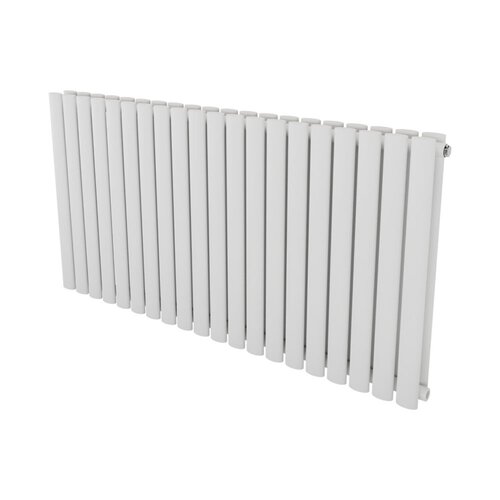
Plumbright Pearl Duplex White Horizontal Oval Tube Designer Radiator - 600mm x 1164mm
White oval double tube designer radiator, 600mm x 1164mm, with wall fixings
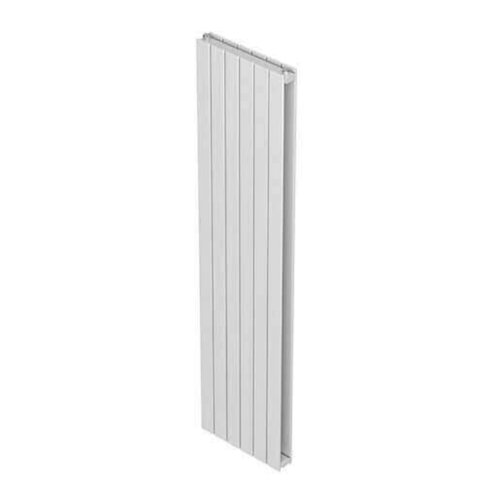
Purmo Slieve Vertical Double Panel Designer Radiator - 1800mm x 723mm White
White vertical double panel designer radiator, 1800x723mm
For the Trade
Start with the space you’ve got and how the room will be used. That usually decides more than the finish. If the wall is awkward, the pipework is fixed, or the client wants a certain look, the choice narrows fast. Designer radiators are the ones you pick when a standard panel won’t suit the layout or the brief, but you still need a sensible heat source. Most call-backs come from choosing on appearance first and checking the dimensions later, so get the size and fixing position clear before you get drawn into colours or styles.
Types of Designer Radiators
Flat panels, ladder styles and more sculpted formats all do the same basic job, but they suit different briefs.
Choose a cleaner profile for a modern fit-out. It keeps the wall quiet and does not pull focus.
Go for a more pronounced style when the radiator is meant to be seen. That gives you more visual weight, but it also makes the unit part of the room layout.
Stick with a simpler shape where you do not want the radiator taking over the wall.
Finishes and colours change the read as well. White stays the easiest to blend in. Darker or metallic options shift the look and can lift the spec.
Radiators is the parent range if you are comparing this against more standard layouts.
Selection Factors for Designer Radiators
If you’re pricing up designer radiators, finish and profile usually come first, not heat output. A powder-coated or matt face hides handling marks better on a busy fit-out. Polished or metallic finishes need more care because they show fingerprints and scratches.
Slimmer modern designer radiators suit tighter wall runs where you want the unit to sit back visually. You give up some presence compared with chunkier styles.
If the room needs a neater finish around the radiator, factor in Radiator Covers. If the wall is losing heat, Radiator Foil is the add-on that makes sense.
Finish the Room
Once the main radiator is chosen, the next call is usually what sits around it. A cover can tidy a poor wall or hide an awkward pipe run, but it will hold back some output, so use it only when appearance matters more than maximum heat.
Foil is the other common add-on where the radiator sits on an external wall and you want to stop heat disappearing into the brickwork. In bathrooms and utility spaces, check whether the finish needs to work with screens, storage or other wall fittings. That is where the job usually looks unfinished if you leave it to the end.
Related searches
Local availability for Designer Radiators