Battery Chargers
Battery chargers come down to what you’re charging and how often it’ll be used. A smart automatic unit suits regular maintenance because it backs off once the battery is full. A simpler charger is fine if you just need a straightforward top-up and do not want extra modes getting in the way. Check the battery type first - lead acid, AGM, gel or lithium - because the wrong charger is where most call-backs start. For vans, bikes and other 12V kit, output matters more than the badge on the front.
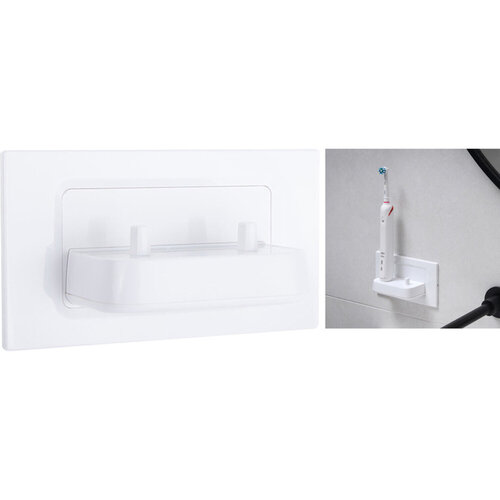
Proofvision PV11P Toothbrush Charger White - Twin
White in-wall dual toothbrush charger, IP44, compatible with Oral-B & Braun
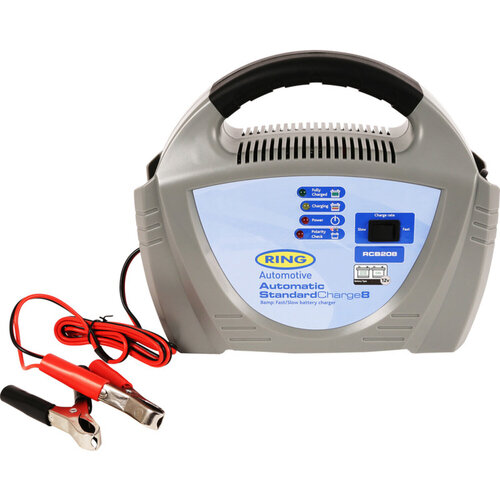
Ring Fully Auto Battery Charger - 12V/8A
Automatic 12V/8A charger for lead acid and gel batteries up to 2.5L.
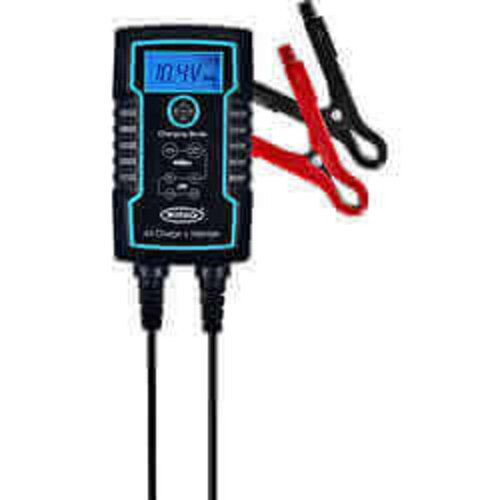
Ring Smart Battery Charger UK - 4.0Ah
6V/12V 4A smart charger & maintainer with 7-stage charging, LCD display
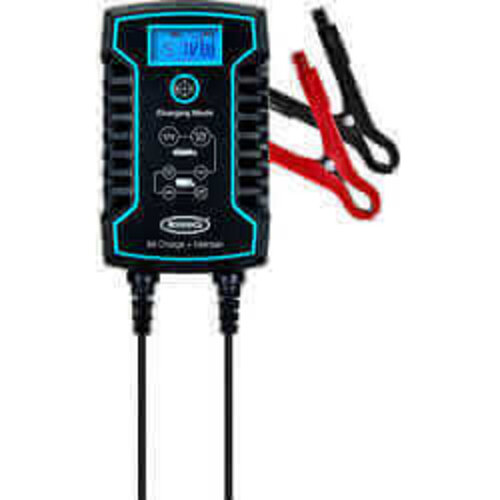
Ring Smart Battery Charger UK - 8.0Ah
4A smart charger and maintainer for 6V/12V batteries, including START/STOP
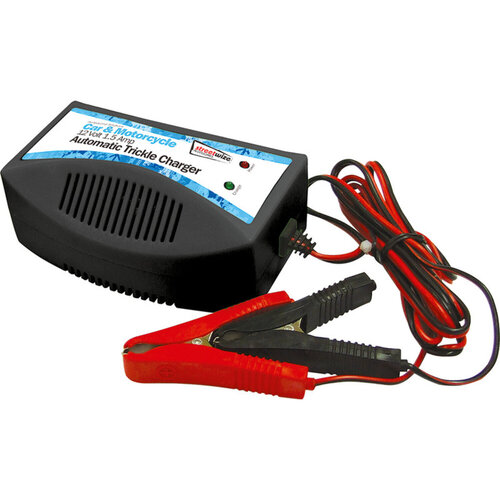
Trickle Battery Charger - 12V 1.5A
12V 1.5A trickle charger keeps vehicle batteries fully charged during storage.
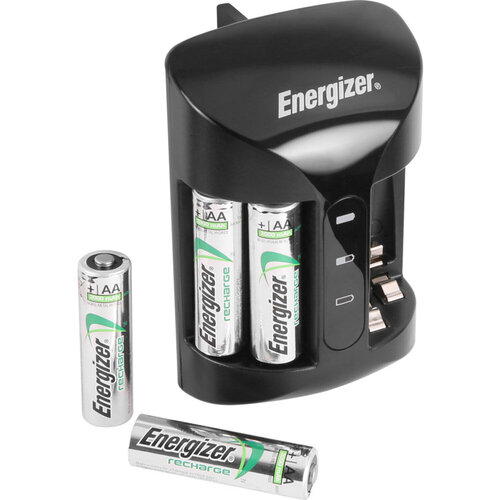
Energizer Intelligent AA & AAA Battery Charger - Mains
Charger for AA and AAA NiMH rechargeable batteries with over-charge protection a…
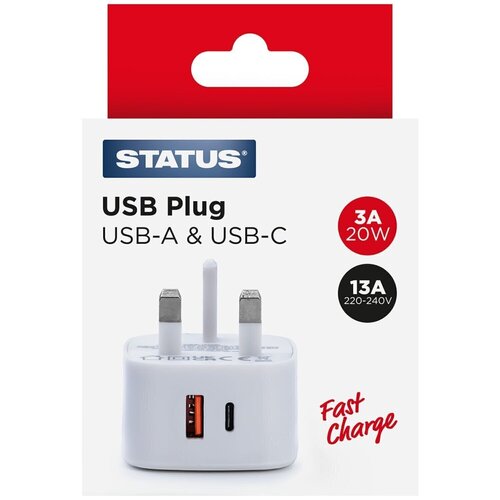
Status USB Type-C & Type-A Dual Port Fast Charge Wall Charger - 20W White
20W dual USB wall charger with USB-C and USB-A, fast charging
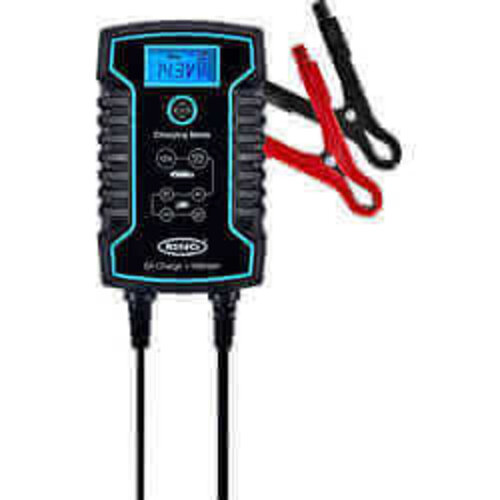
Ring Smart Battery Charger UK - 6.0Ah
6V/12V 4A smart charger & maintainer with 7-stage charging, LCD display
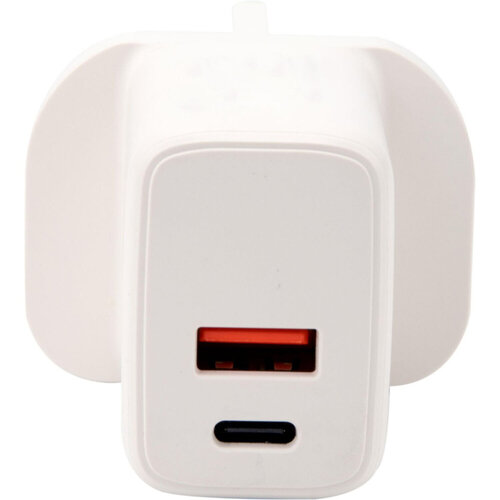
Wessex USB-A & USB-C UK Charger Plug - 30W
30W UK charger plug with USB-A & USB-C, GaN technology
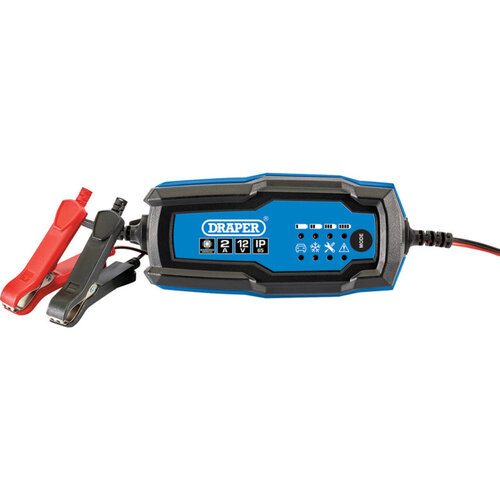
Draper 12V/2A Smart Charger and Battery Maintainer - 12V/2A
12V 2A smart charger and battery maintainer
For the Trade
Start with the space you’ve got and how the unit will be used, then narrow battery chargers by battery type and duty rather than by finish or extras. A compact unit suits a tight van or workshop shelf. A larger charger is easier to live with if it stays in one place and sees regular use. For occasional top-ups, you do not need to overbuy. For repeated use, an automatic battery charger usually saves faffing and cuts the chance of a call-back. The wrong choice is usually the one that looks fine on paper but does not suit the layout or the battery you are actually dealing with.
Popular Battery Charger Formats
The first split is between a basic charger and an automatic battery charger. Basic kit works when you want a straightforward top-up and you’re watching it yourself. An automatic or smart battery charger suits longer connections, so you do not need to keep checking it.
A car battery charger or 12v battery charger usually fits vehicle work. A motorcycle battery charger is the better call when the battery is smaller and needs a gentler charge. For mixed jobs, the Domestic Electricals range keeps the choice tied to the battery and how it is used, rather than buying a charger that is too much or too little for the job.
Key Differences When Choosing
What usually decides it is battery chemistry, charge rate, and how hands-off you want the unit to be. An automatic battery charger suits regular workshop use because it manages the charge without much watching. A simpler battery charger is fine for occasional top-ups when you do not need that extra control.
For a 12v battery charger on vehicle work, match the output to the battery size. Too small and you are waiting around. Too aggressive and you create problems. A smart battery charger earns its keep when the battery stays connected for longer periods. If you only need a quick recovery, the simpler kit is usually enough.
If the job sits alongside Telephone Accessories or Alarms & Sensors, keep the charger choice separate and match it to the battery type first.
Next Decisions After Choosing
Once you’ve picked the charger, the next call is the battery side of the job. A car battery charger won’t always suit a motorcycle or leisure battery, and that’s where callbacks start.
If you’re covering mixed kit, a smart battery charger with the right chemistry setting is usually the better fit. If it’s one vehicle and one battery type, a simpler unit is often enough and leaves less to go wrong.
After that, the next buy is usually storage and the battery itself, so you’re not leaving a charged unit loose in the van or workshop.
Related searches
Local availability for Battery Chargers







