Fans
If you’re choosing fans for a job, start with where it’s going and how much air you need moved. Desk and pedestal models suit lighter, local cooling and are easy to shift between rooms. Floor and industrial fans give you more throw and more grunt when the space needs it. Ceiling and wall fans free up floor space, but you give up flexibility. The usual mistake is buying on size alone - a fan that looks the part but can’t be placed properly ends up sitting in the van.
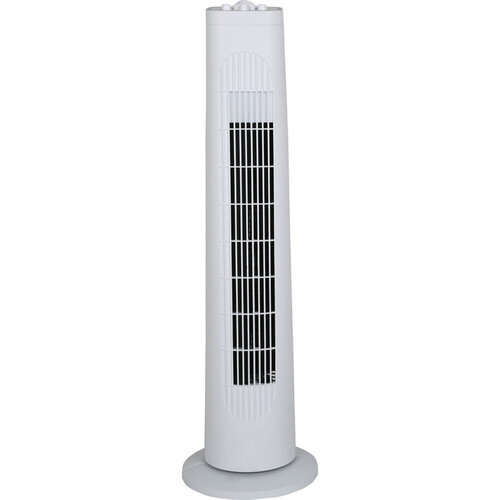
30" Tower Fan - 3 Speed 45W
30-inch white tower fan with 3 speeds, oscillation and timer
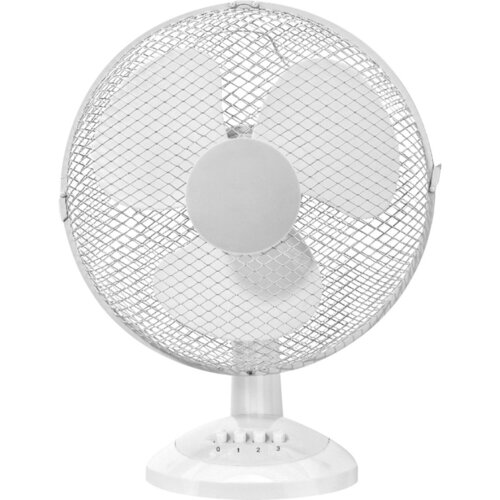
Desk Fan - 12" 3 Speed 45W
12-inch white desk fan with 3 speeds, oscillation, and 45W power
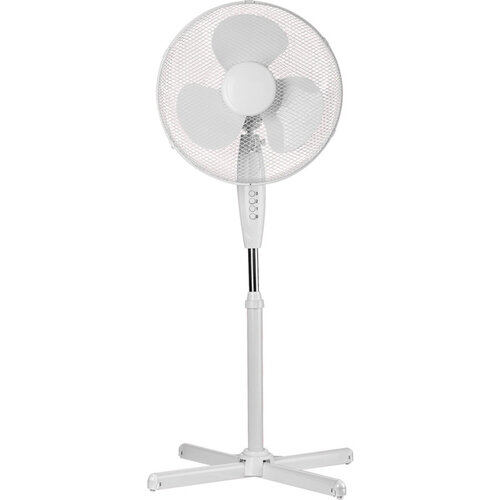
16" Pedestal Fan - White 3 Speed 45W
16-inch white pedestal fan, 45W, 3 speeds, oscillation
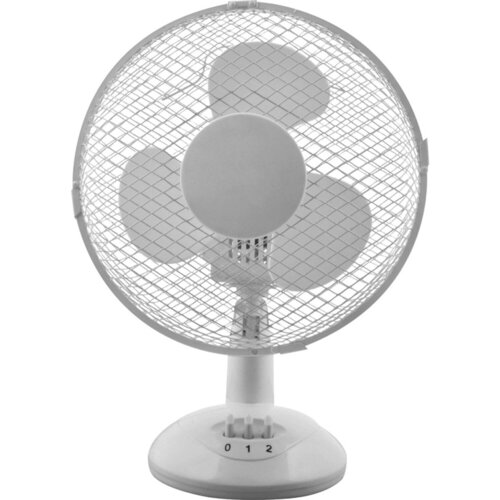
Desk Fan - 9" 2 Speed 25W
9-inch white desk fan with 2 speed settings and 25W power
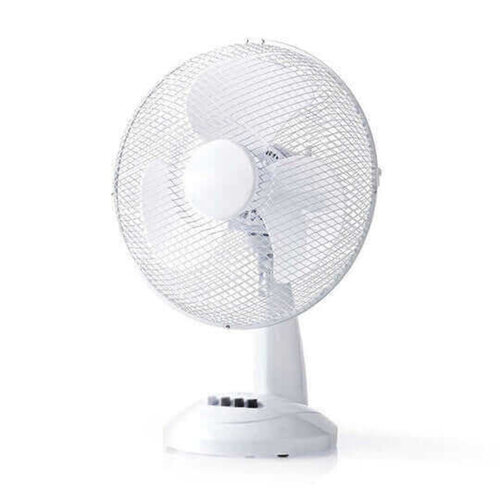
Airmaster 3 Speed Desk Fan - 12"
Airmaster 12" 3-speed desk fan with oscillation, tilt and 52.91dB noise level.
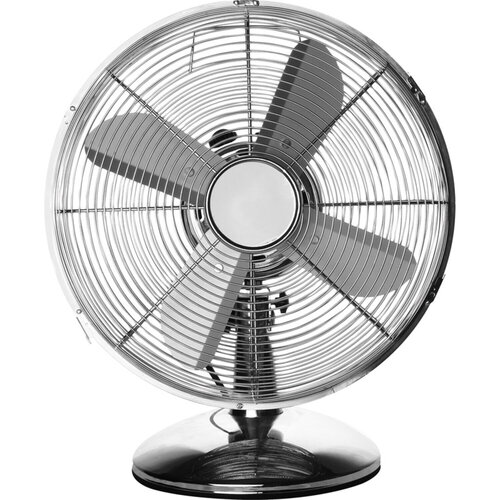
12" Chrome Desk Fan - 3 Speed 40W
40W 12-inch chrome desk fan with 3 speeds and oscillation
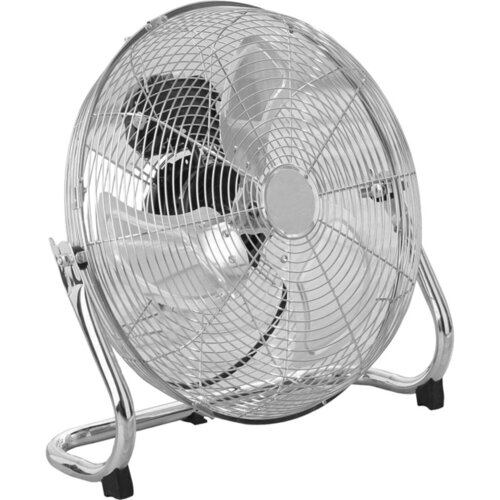
18" High Velocity Floor Fan - 3 Speed
18-inch high-velocity floor fan with 3 speeds and tilt adjustment.
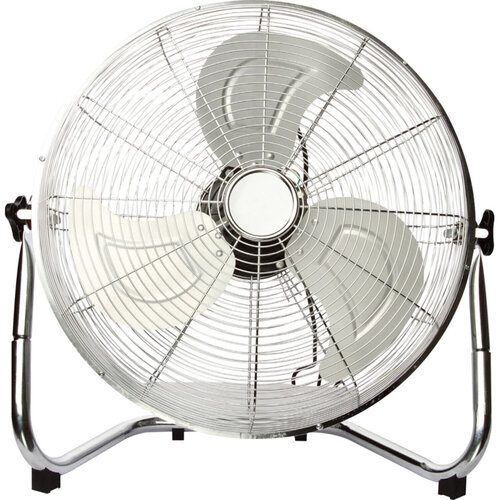
18" Chrome Floor Fan - 3 Speed 100W
500 millimetres chrome floor fan with three speeds and adjustable tilt
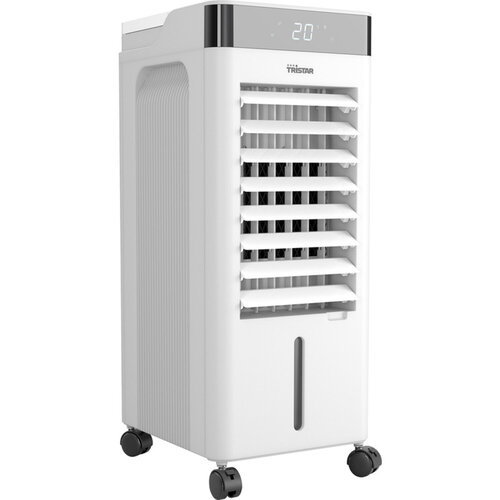
Tristar Digital Air Cooler - 7L
7L digital air cooler with 3 speeds, remote, timer and ice packs.
For the Trade
Start with the space you’ve got and how the fan’s going to be used, because that usually decides the format before you get into finishes or extras. A unit in the wrong spot just gets moved, and that becomes a nuisance on site. For tight areas, wall fans keep the footprint clear. If you need something you can shift between jobs, portable fans make more sense. Industrial fans suit jobs that need more air movement and reach, but they’re not the answer if access or storage is tight.
Fan Options Compared
Ceiling fans keep the unit out of the way and spread air across the room. Wall fans free up floor space and let you aim the flow where it’s needed.
Desk fans and pedestal fans sit at the portable end of the range. They’re easy to move and point, but they take up working space and are more likely to get knocked about on busy jobs.
Floor fans give you more throw. Reach for one when a lighter fan won’t shift enough air.
Industrial fans are the step up when you need sustained movement rather than a bit of local cooling. They’re usually the least discreet option.
Ventilation covers the wider range if you’re matching the fan to the rest of the job.
Choosing Materials and Size
If you’re choosing fans for a job, start with where the air needs to go and what’s already in the way. A unit that sits clear of the floor works better in tighter areas. A portable model makes more sense if it’s moving between rooms or jobs.
Bigger units usually give you more throw, but they take more space and can be awkward where access is tight. If the job needs fixed duct runs, look at Ducting as part of the spec. If you need temperature control rather than air movement, Air Conditioning is the other route, but it’s a different buy and usually a different programme.
Completing the Setup
Once you’ve picked the fan, the next call is the surrounding finish. Check where it’s fixed, what it’s sitting against, and what needs to stay clear around it.
On a tidy install, that usually means the panel or screen behind it, any storage or furniture nearby, and whether the wall finish will take the fixing without movement.
Wall fans and ceiling fans can save you grief when the layout is tight. If the fan sits as part of a bigger ventilation scheme, keep an eye on the adjacent products too. A poor finish or tight clearance is what usually brings the call-back, not the fan itself.
Related searches
Local availability for Fans

