Drop Cloth
A drop cloth comes down to two things: how much floor you need to cover and how much movement you expect while you’re working. A heavier sheet stays put better, which helps when you’re cutting in, rolling ceilings, or moving kit around. A lighter painting sheet is easier to shift for quick room-to-room jobs, but it can creep on smooth floors. If you’re protecting carpet, edges and overlap matter more than most people think. The sheet that shifts is the one that gets called back.
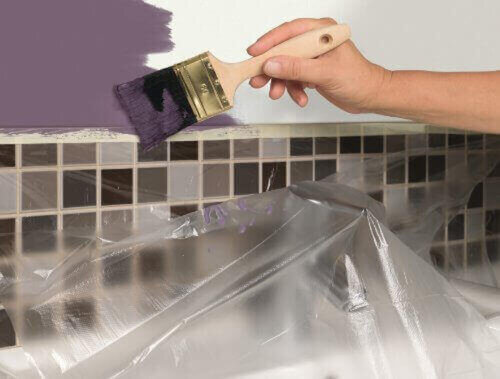
Tesa Easy Cover Premium 2 in 1 - 55cm x 33m Transparent
55cm x 33m transparent 2-in-1 masking tape and drop cloth
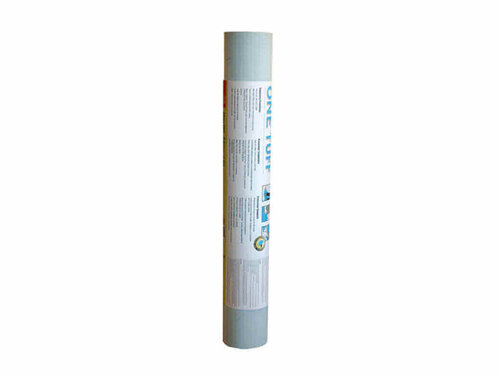
Trimaco One Tuff Dropcloth
Reusable, tear-resistant dropcloth with absorbent fabric and leak-resistant coat…
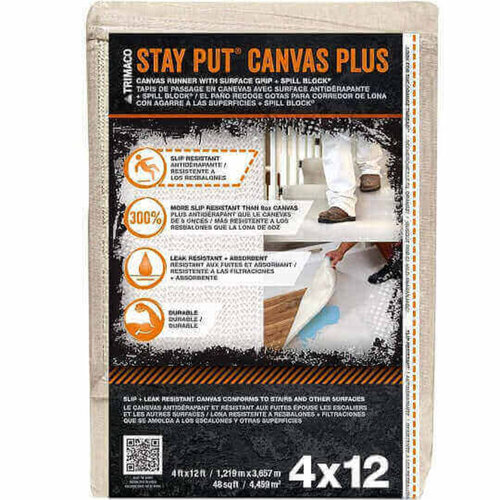
Stayput Canvas Plus Anti-Slip Barrier - 12' x 4'
Anti-slip canvas barrier cloth, 12' x 4' (3.66m x 1.22m), pack of 6, leak resist…
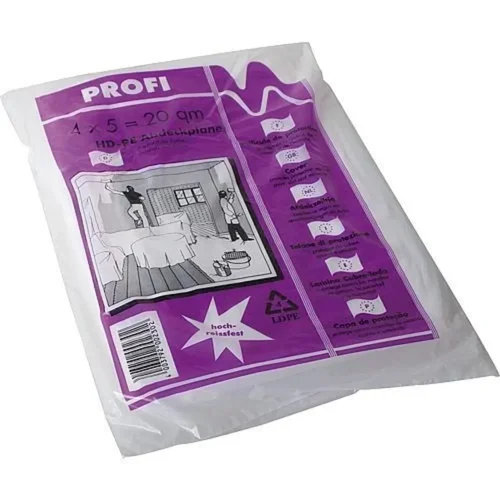
Vaber Professional HDPE Drop Cloth - 4m x 5m 20m² 12 Microns Transparent
Transparent HDPE drop cloth 4m x 5m for paint and dust protection
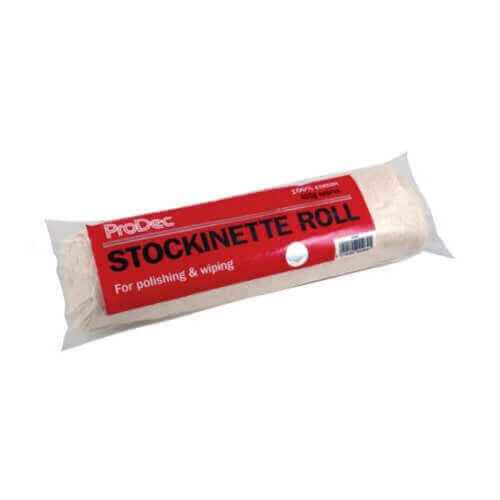
Rodo Stockinette Roll - 400g
Highly absorbent knitted cotton roll for cleaning and polishing.
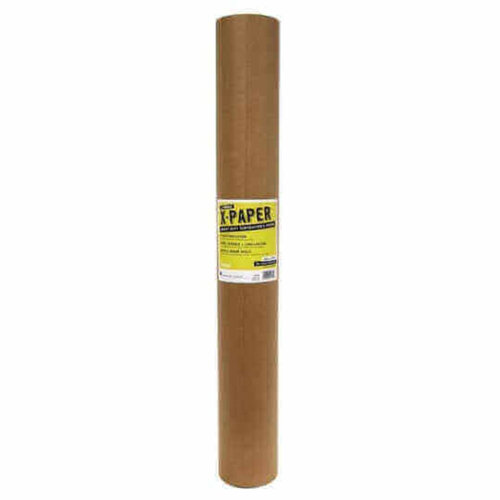
X-Paper Heavy Duty Contractor's Paper - 36" x 120'
Heavy-duty contractor's paper drop cloth, 914mm x 36.6m roll
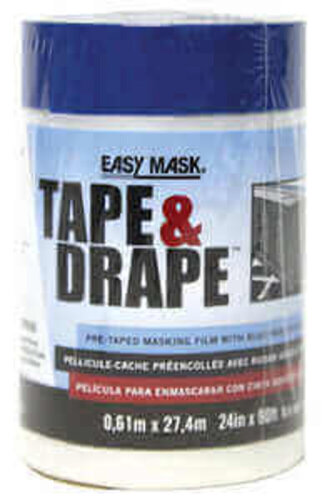
Trimaco Medium Weight HDPE Plastic Drop Cloth - 90' x 2', 0.004" Thick, Tape & D…
Medium-weight HDPE plastic drop cloth, 90 ft x 2 ft, 0.004 in thick
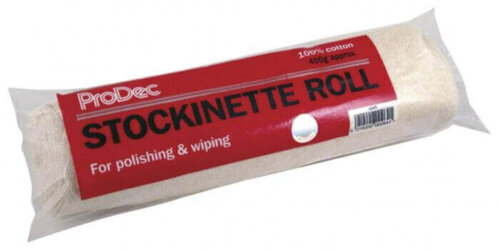
Prodec Stockinette Roll - 400g
Highly absorbent knitted cotton stockinette roll for cleaning and polishing, 400…
For the Trade
Start with the space you’ve got and how the job will move through it. That tells you which drop cloth makes sense. In a tight room with furniture still in, you want one that stays put and covers the route you’re working along. On a bigger run, a painting sheet that’s easy to pull and reposition saves time. The usual mistake is buying for the finish first, then finding it’s awkward round corners, stairs or doorways. For a quick internal prep job, a lighter sheet is often enough. For longer jobs or heavier traffic, you’ll want more coverage and less shifting underfoot.
Drop Cloth Options Compared
A drop cloth that stays put suits furniture, skirting lines, and fixed runs. You get less shifting, so you spend less time resetting it.
A lighter painting sheet works better when you need to move round a room. It folds faster, drags less, and is easier to reposition as the job changes.
Go for the heavier option if coverage and stability matter most. Choose the lighter one if speed matters more than full-area hold. If you’re comparing options under Interior Paint & Surface Preparation, match the sheet to the pace of the job, not just the floor area.
Choosing Materials and Size
What usually decides it is how much abuse the sheet will take and how often you need to move it. A heavier drop cloth stays put better on smooth floors and under ladders, but it is slower to shift when you are working through a run of rooms.
A lighter painting sheet is easier to handle and re-lay. The trade-off is movement. It is more likely to creep if the floor is dusty or the job keeps changing direction.
For wet areas, Bathroom Paint usually goes hand in hand with more careful protection. If you are covering carpets as well as hard floors, Dust Sheets & Carpet Protectors is the next stop.
Completing the Setup
Once you’ve picked the drop cloth, the next call is what else needs covering in the same room. Around fitted furniture or a tight run, dust sheets and carpet protectors usually make more sense than trying to stretch one sheet everywhere. Corners and edges are where the mess starts.
If the room is being refreshed as part of a bigger decorating job, you may also be looking at the finish itself. Bathroom paint is the one to use for a wet room, rather than a general interior finish. That keeps the order straight and stops you buying the wrong thing twice.
Related searches
Local availability for Drop Cloth


