Stoves
If you’re narrowing down stoves, start with fuel and footprint. Wood burning stoves and multi fuel stoves suit different fuel choices, while electric stoves come into play when flue work or solid-fuel storage is not part of the job. Cast iron models are often picked for a heavier build and better heat soak, but they are less forgiving to handle. Smaller stoves are the usual call where the opening or hearth size is tight.
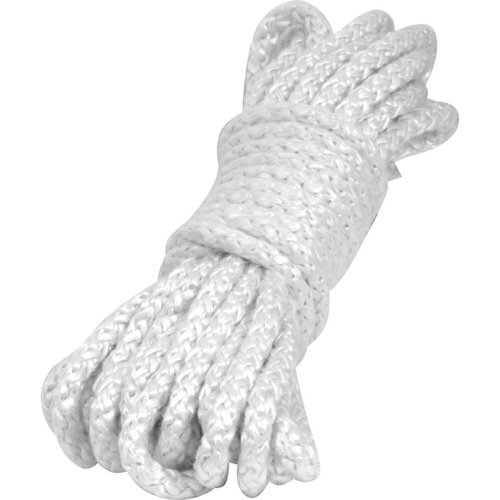
Braided Glass Yarn - 6mm x 10m
6mm braided glass yarn, 10m, max 550°C, asbestos-free.
Regin Braided Sealing Glass Rope - 6mm
Braided glass sealing rope, 6mm diameter
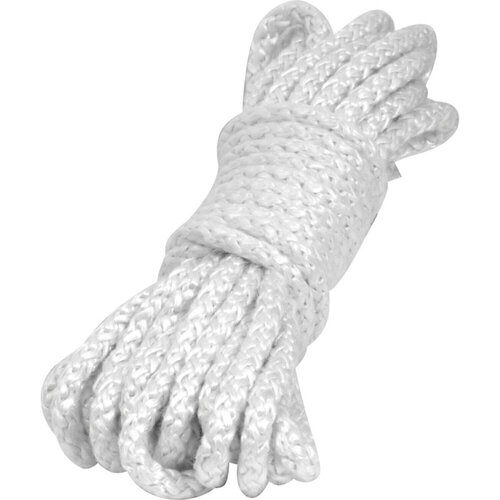
Braided Glass Yarn - 10mm x 10m
10mm braided glass yarn, 10m, max 550°C, asbestos-free.
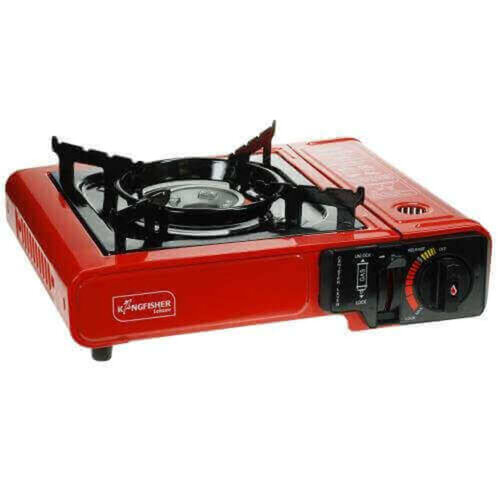
Kingfisher Portable Gas Stove
Kingfisher portable gas stove
For the Trade
The first question is what the job needs from the stove, because that usually sets the spec before you get into finish or style. On a straight replacement, you’re often matching the existing setup and keeping it simple. On a new install, fuel and available space matter more than the look, and that’s where people get caught out. A heavier build suits jobs where you want a firmer feel. Lighter options are easier to handle and position. If the opening is tight, a compact model saves grief later.
Stove Options Compared
Start with the fuel and how the stove sits in the room. Log burning stoves suit a straight wood-only job. Multi fuel stoves give you more flexibility if the spec may change.
Gas stoves suit jobs where you want easier control and less fuel handling. Electric stoves come into play where the supply or flue arrangement rules out the others. Freestanding stoves give you a stronger focal point, but you need enough clearance around them to keep access and the finished look workable. For the full range, start at Fires, Stoves & Electric Heating.
Choosing Materials and Size
What usually decides the job is the balance between build, footprint and how much heat you want to hold. Cast iron stoves suit jobs where you want a heavier body that holds heat well on longer fills. The trade-off is weight. That can make handling harder, and it can matter on older floors and awkward access.
If you need a lighter, simpler fit, other stoves are easier to move and position, though they will not usually hold heat in the same way. Size matters too. A compact stove keeps the footprint down, but you lose room around it, which changes both the look and the usable space.
If the job is really about a surround or opening rather than the appliance itself, look at Fireplaces; if it is just about taking the chill off a space, Heaters may be the cleaner buy.
Completing the Setup
Once you’ve picked the stove, the next call is the surrounding finish. A lot of the problems come from leaving that until last - the wrong wall panel, a screen that’s too tight, or storage crowding the front of the appliance.
For stoves, look at the hearth, wall protection and any log storage together. They change the final footprint and how the job lands once it’s in. If the stove sits tight to a wall, the finish needs to work with the appliance rather than against it. With more room, you can be more deliberate about the surround.
Local availability for Stoves



