Warehouse Safety
Warehouse safety usually comes down to the risk you need to control first - pedestrian movement, slips, damage, or emergency response. On a busy site, the right warehouse safety gear is the mix that fits the traffic pattern and the job in hand. Mats, barriers, signs and marking products each do a different job, and the wrong mix leaves gaps.
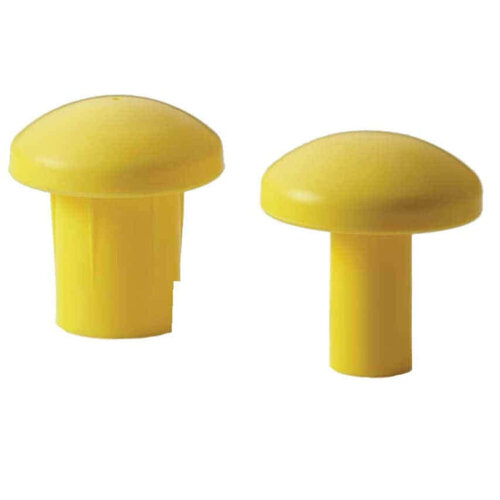
ProSolve Rebar Identification Cap - 6-18mm 250 Pack
Hi-vis rebar cap for 6-18mm bars, pack of 250
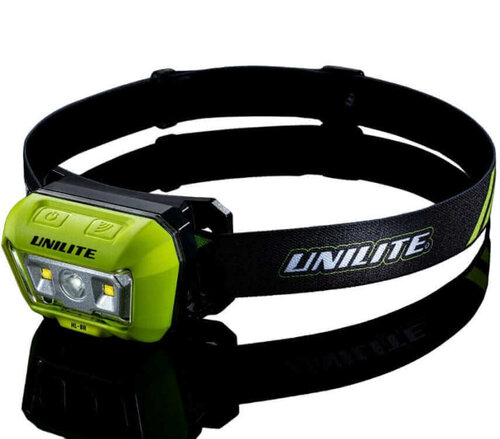
Unilite Sensor Dual Beam Headlight - 475 lumen, 2 x side SMD LEDs for wide flood light, intelligent sensor mode for hands-free operation, 3.7V 1500mAh Li-polymer rechargeable battery, type C cable included
475 lumen rechargeable headlight with sensor mode, IP65, dual beam spot/flood
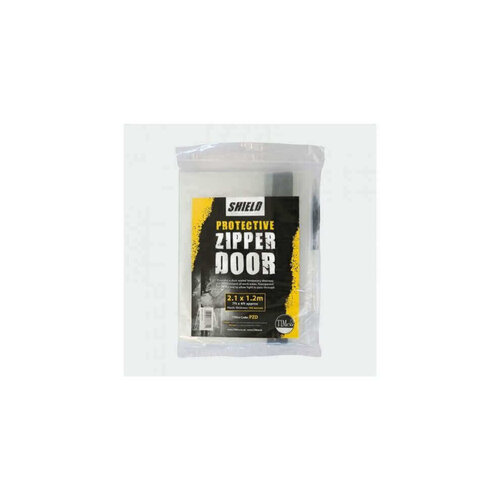
Timco Shield Protective Zipper Door
Transparent dust-sealed temporary doorway with zipper for work areas
For the Trade
Start with the space you’ve got and how it’s being used. That usually decides the spec before anything else. Tight aisles, pedestrian routes, loading bays and storage racking all push you towards different warehouse safety gear, and the wrong layout choice is what causes most of the grief later. If the area changes often, go for warehouse safety solutions that are easy to move or update. If it’s fixed, you can be more specific on finish and format. Warehouse safety mats only make sense where footing or standing time is the issue - otherwise you’re paying for a feature you won’t use.
Warehouse Safety Types and Layouts
Warehouse safety usually splits into two jobs: protecting people underfoot, and controlling movement around the area. Warehouse safety mats suit standing points, wet patches, and places where fatigue or slips start to build. They deal with the surface, not the wider risk.
If the problem is traffic or segregation, you need a different warehouse safety solution. That is where the Safety range matters more than one product line. One item rarely covers every hazard. Pick the format that matches the risk you are trying to control, not the one that looks broadest.
What to Check Before You Buy
Start with what is driving the order: a site audit, a client spec, or a weak point you already know about. That tells you whether you need a quick fix or a wider warehouse safety solution.
For marking and identification, Asset Tags are the right call when kit, racking, or inspection points need to stay traceable. They will not help if the job is really about emergency provision. In that case, Fire Safety is the separate buy.
The common mistake is trying to cover every risk with one order. You end up with gear that looks complete but misses the actual problem.
Useful Alongside Warehouse Safety
Once the main order’s sorted, the next call is what the surrounding area needs to do day to day. If you’re finishing a bay or aisle, look at the bits that stop the job drifting - screens where you need separation, storage where kit keeps getting left out, and wall finishes that can take a knock without constant patching.
Warehouse safety gear usually gets picked with the rest of the fit-out, not left to the end. If the layout changes often, keep the add-ons simple. Fixed runs and busier loading areas usually justify more permanent warehouse safety solutions.
Related searches
Local availability for Warehouse Safety



