Air Compressors
Air compressors usually come down to two things: how much air you need, and where it will sit. A small portable air compressor suits light, mobile work and tyre inflation, while a larger tanked unit gives you more reserve for repeated use and keeps the motor from cycling as often. If noise matters, a silent air compressor is worth the extra outlay. If you want to avoid oil carry-over, an oil free air compressor is the cleaner choice. For workshop use, the usual mistake is buying on tank size alone and finding the recovery rate too slow.
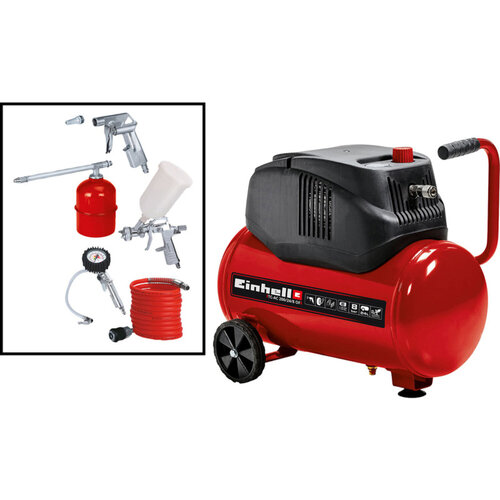
Einhell 1.6HP 24L Oil Free Compressor + 5pc Airtool Kit - 230V
24L oil-free compressor with 5pc air tool kit, 8 bar max
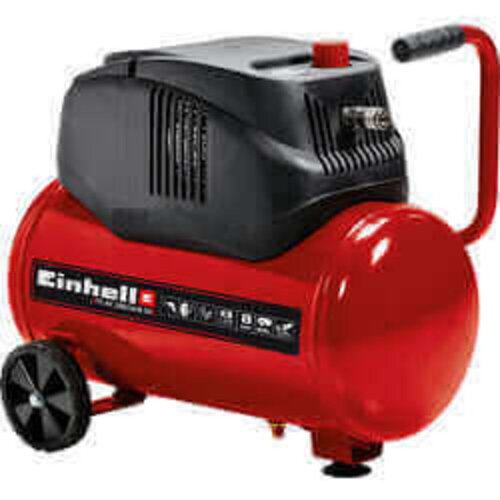
Einhell 24L 1.6HP Oil Free Air Compressor - 230V
24L oil-free air compressor, 1.6HP, 8 bar max pressure, 180L/min intake, 230V ma…
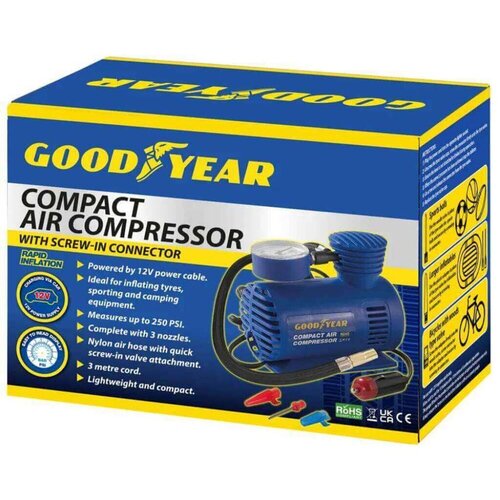
Goodyear Pro Mini Air Compressor
Lightweight compact air compressor with 250 PSI and 3 nozzles for tyres and more
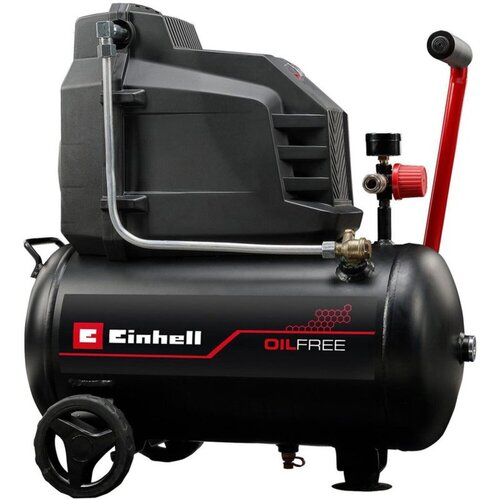
Einhell 24L 8 Bar Oil Free Compressor - 5pc Kit
24L oil-free compressor with 8 bar pressure and 5pc air tool kit
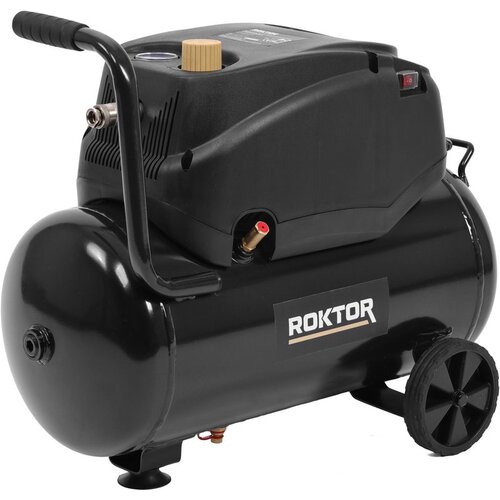
ROKTOR 230V 24L Electric Oil-Free Air Compressor with 5pc Accessory Kit - 230V
230V oil-free air compressor with a 24-litre tank and 5-piece kit
For the Trade
Start with where it’s going and how you’ll use it. That usually cuts the range down fast. A portable air compressor makes sense if you’re moving between bays or lifting it in and out. A silent air compressor comes into play when the unit sits close to the work area and noise matters. An oil free air compressor is worth a look if you want less maintenance, but tank size and output still come first once you’re running tools back to back. The wrong call is usually the one that looks fine on paper but doesn’t suit the space or the pace of the job.
Types of Air Compressors
The first split is between a compact unit you can move about and a fixed workshop set-up with a proper air compressor tank. If you only need occasional inflation or light air tools, the smaller portable units keep handling simple and don’t tie up floor space.
Once you’re feeding kit all day, a larger tanked compressor stops you waiting on recovery. The trade-off is more room taken up and usually more noise.
An electric air compressor suits most bays because it’s straightforward to live with. A 12v unit only makes sense where you need something carried in the vehicle. If you’re comparing the wider Mechanic's Tools range, this is where the job pace and where it’ll sit usually decide it.
Selection Factors for Air Compressors
What usually decides air compressors is duty cycle, noise and where it will sit.
A silent air compressor makes sense when you are working close to others or in a tight workshop. The trade-off is usually output.
An oil free air compressor is worth a look when you want less routine maintenance and cleaner air. A belt driven unit is the better shout for heavier, repeated use because it copes better under load.
If you are only feeding lighter kit, a portable air compressor keeps handling simple. For a fixed bay, the Air Tools side of the job usually tells you whether you need more reserve. For body repair work, Bodywork Tools is where the compressor choice gets tied to the tools you are actually running.
Finish the Room
Once you’ve picked the compressor, the next call is what the bay needs around it. If it’s staying in one place, allow for hose reels, regulators and a proper drain point so you’re not dragging kit across the floor or losing pressure at the tool.
A workshop compressor earns its keep when the air line is laid out cleanly and the storage sits close by. If it’s only there for inflation or light intermittent use, keep the setup simple and skip ancillaries you won’t use.
Related searches
Local availability for Air Compressors


