Floorboards
Floorboards come down to what you’re building over and how much movement you need to allow for. Tongue and groove floorboards are often the first pick when you want a tighter joint and fewer gaps opening later. Hardwood floorboards give a firmer feel underfoot, but they cost more and add weight. Treated floorboards suit areas where moisture is a concern.
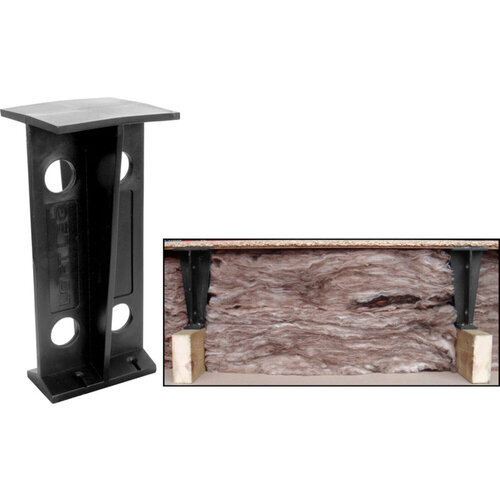
Loft Flooring Legs - 175mm 12 Pack
Supports up to 25kg/m², raises loft floor 175mm to avoid insulation compression.
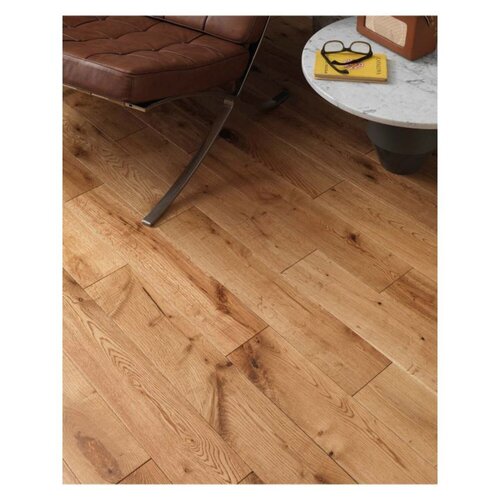
Woodpecker K2 Solid Oak Flooring - 2.2m2
Solid oak flooring pack covering 2.2m² with tongue and groove joints and bevelle…
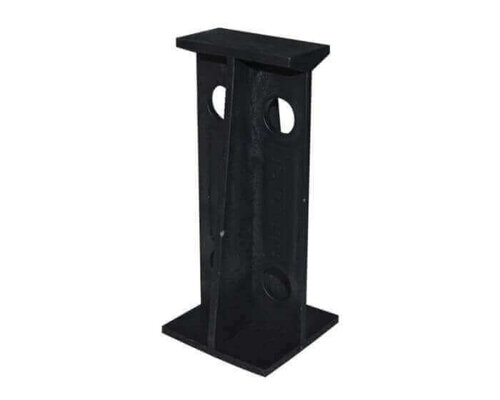
Forgefix Loftleg - 12 Pack
Pack of 12 Forgefix Loftlegs
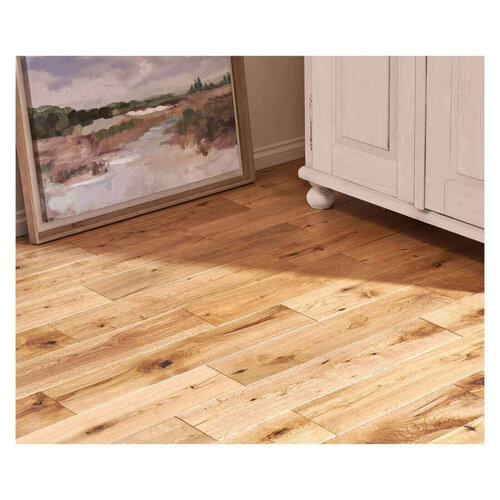
Woodpecker K3 Engineered Oak Flooring - 18mm x 125mm 2.2m2
Engineered oak flooring, 18mm thick, with UV lacquer and beveled edges
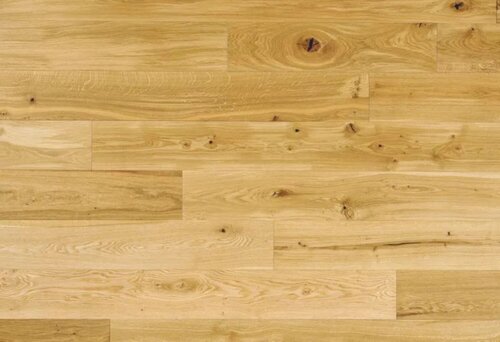
Elka Engineered Uniclic Flooring - 1.936m² Brushed & oiled Hampton oak
Engineered oak flooring, brushed & oiled Hampton oak, pack covers 1.936m²
For the Trade
Start with what the floor has to do, not the timber name on the ticket. For a straightforward deck or subfloor build, standard floorboards usually keep the job moving without paying for more than you need. If you need a tighter joint and less chance of movement at the edges, tongue and groove floorboards are the one to reach for, though they are less forgiving if the opening is out. Hardwood floorboards suit jobs where wear and finish matter more than price. Softwood and treated floorboards are usually the cheaper route, but you trade that off against durability and how much handling they will take on site.
Types of Floorboards
The first split is usually between plain floor boards and tongue and groove floorboards. Plain boards suit jobs where you want a simple, economical run and do not need a tight interlock. Tongue and groove floorboards are the better call where joint stability matters and you want less movement at the seams.
Hardwood floorboards suit work where finish and wear matter more, but they bring higher cost and heavier handling. Softwood floorboards and treated floorboards stay in the mix when budget or exposure drives the spec.
Selection Factors for Floorboards
Material usually narrows floorboards down. If you need lighter handling and easier carrying through the building, softwood floorboards are the easier shift. If the job needs a harder face and better wear resistance, hardwood floorboards make more sense, though you pay for that in weight and cost.
Treated floorboards suit exposure better, but you give up some of the cleaner finish you get from better floorboard timber. Tongue and groove floorboards are the tighter call where you want less movement at the edges.
If the finish is moving into carpet, Carpet Grippers are the next thing to sort. For a tiled finish, it’s Carpet Tiles you’d be looking at instead.
Finish the Room
Once the floorboards are down, the next call is usually the edges and the changeovers. That’s where skirting board, scotia and door strips come in. What you pick is driven by what’s already on the job, not the timber itself.
If one area is taking carpet, get carpet grippers on the list early so you’re not backtracking at trim-out. For mixed finishes, thresholds are the bit that stops the handover looking bodged. They are also the first thing to get missed when the floor schedule changes late.
Related searches
Local availability for Floorboards




