Specialist Hinges
Specialist hinges are the ones you pull when standard stock won’t do the job. Start with load and movement. Heavy duty hinges, self closing hinges, spring loaded hinges and stainless steel hinges all have their place. Steel hinges are often the economical pick where the environment is not working against you.
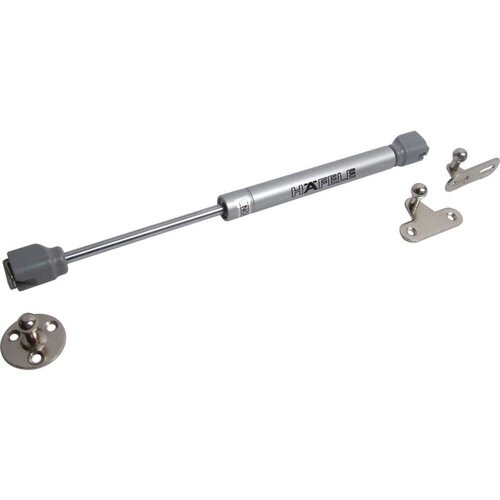
Hafele Flap Stay
80N pneumatic flap stay for wooden and aluminium doors.
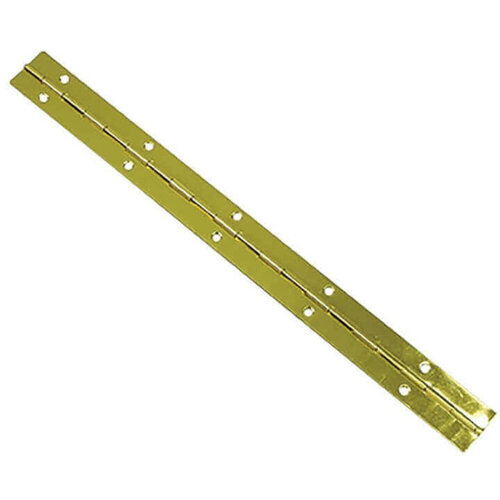
Piano Hinge Brass Plated - 1800mm
Brass plated piano hinge, 1800mm length, for continuous hinge use
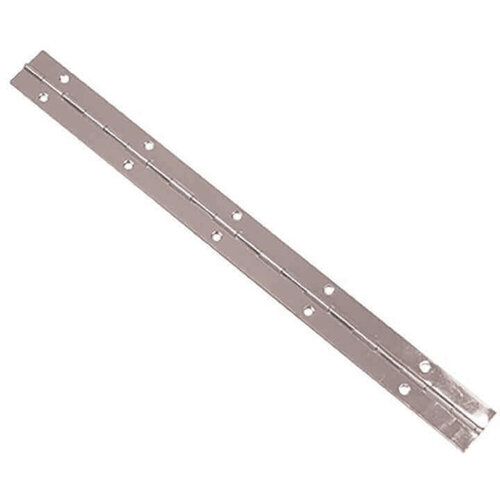
Piano Hinge - 1800mm Bright zinc plated
Continuous piano hinge, 1800mm, bright zinc plated
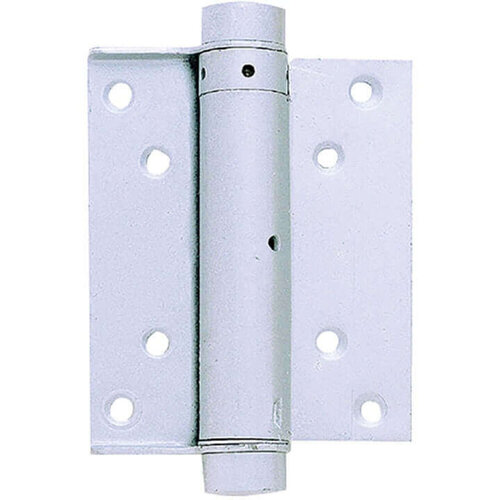
Double Action Spring Hinges - 100mm Silver 2 Pack
100mm silver double action spring hinges, pack of 2
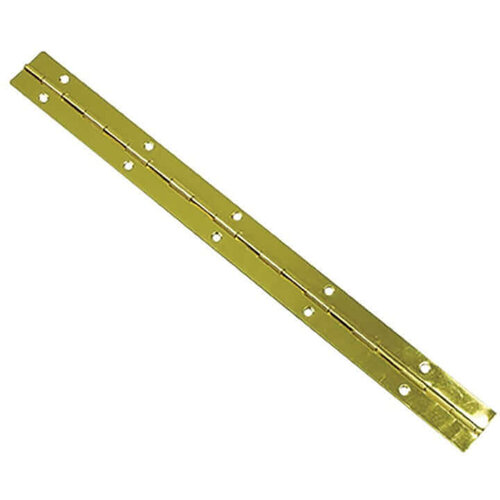
Piano Hinge - 600mm brass plated
600mm brass plated piano hinge for continuous hinge applications.
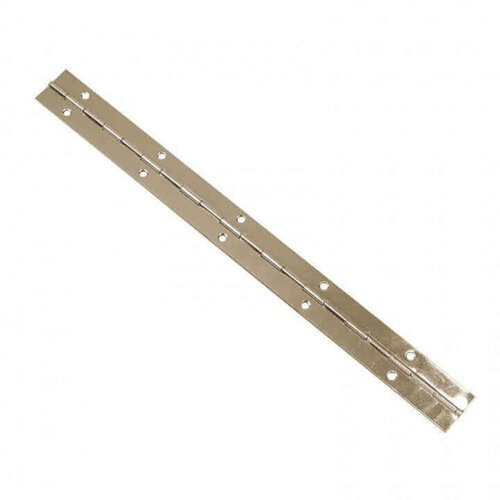
Piano Hinge Bright Zinc Plated - 600mm
600mm piano hinge, bright zinc plated finish
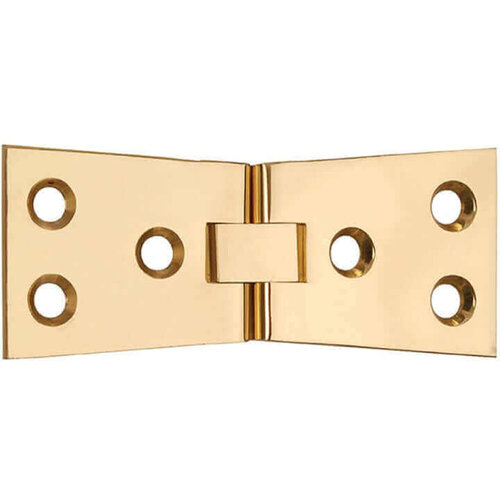
Counter Flap Hinges - 102mm Solid Brass
Counter flap hinges, solid brass, 102mm length
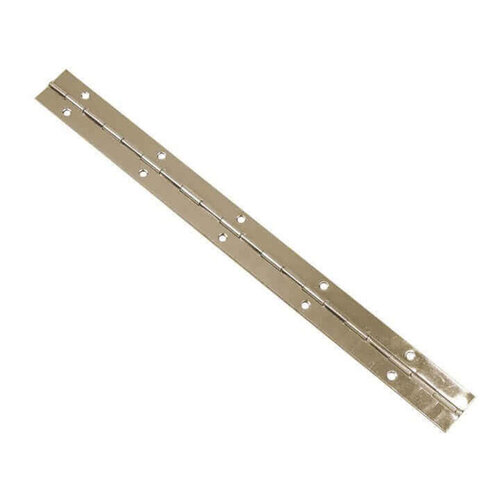
Piano Hinge - 900mm Bright Zinc Plated
900mm bright zinc plated piano hinge for continuous hinge applications
For the Trade
What usually decides specialist hinges is the movement you need, the weight you’re carrying, and how much adjustment you’ve got in the frame or leaf. If the job needs a controlled close or a return action, you’ll be into spring loaded hinges or self closing hinges. For rougher, harder-used fittings, heavy duty hinges are usually the call. They take more abuse and cope better when alignment is not perfect. Stainless steel hinges come up when corrosion is the issue. Steel hinges are the normal pick where the environment is not fighting you. At the counter, I’d work it in that order: duty first, then finish, then movement.
Specialist Hinge Options Compared
Some jobs need specialist hinges because the movement or closing action matters more than a standard pattern.
Hinges is the wider range if you're comparing options. From there, you might choose heavy duty hinges for extra support, spring loaded hinges where the leaf needs to return, or self closing hinges when the door has to shut without relying on the user. Each one solves a different job. The trade-off is the same across the range - the more control or load you ask for, the less forgiving the hinge usually is on alignment, so the right pattern matters more than the nearest match.
Choosing Materials and Size
When you’re narrowing down specialist hinges, start with the material and how they handle, not just the load. Stainless steel hinges usually get the nod where you want a firmer enamelled face and better day-to-day wear. Steel hinges are the more familiar pick when you want something hard-wearing without chasing anything fancy.
The trade-off is weight. Stainless steel hinge options are generally heavier to move than acrylic on many sites, so you feel it when you’re hanging and adjusting. That extra heft can slow the fit, but it often suits jobs that take more abuse. For a standard internal run, Door Hinges are usually the simpler buy. For furniture or smaller fittings, Cabinet Hinges make more sense.
Completing the Setup
Once you’ve picked the hinge, the next call is what the rest of the fit-out needs. If the job includes panels, screens or storage, sort those before you finish the hardware. The hinge choice usually follows the weight and movement of the build.
That’s where specialist hinges earn their keep. You use them to solve a movement or loading issue, not just to hang a leaf. If the spec is straightforward, standard door hinges or cabinet hinges may still be the cleaner buy. Once you need more control, clearance or support, you’re into the specialist side of the counter.
Related searches
Local availability for Specialist Hinges


