Extension Ladders
Extension ladders come down to reach, closed length and how often you’re moving them. A two-section ladder is simpler to handle and quicker to set. A three-section version packs shorter for vans and tighter stores, but gives you another set of runners to manage. Aluminium extension ladders are usually the everyday trade choice because they’re lighter to carry. If the job calls for extra electrical insulation, you’d be looking elsewhere.
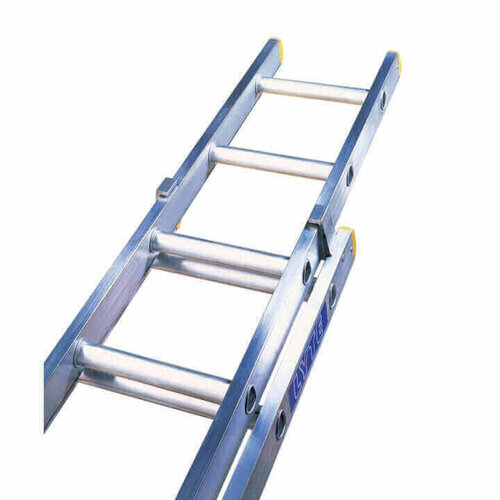
Lyte Ladders 2 Section EN131-2 10 Rung Extension Ladder - 2.92m - 4.88m
2-section extension ladder, 10 rungs, extends from 2.92m to 4.88m
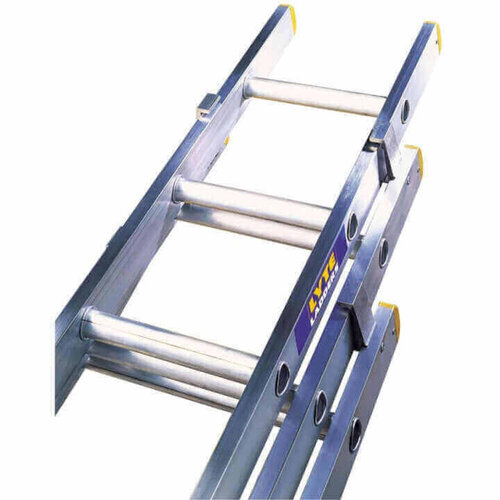
Lyte Ladders 3 Section EN131-2 10 Rung Extension Ladder - 2.92m-6.85m
3-section extension ladder 2.92m-6.85m for professional use
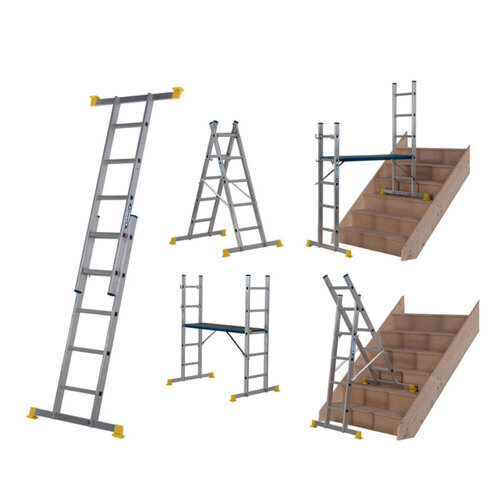
Werner 5 in 1 Combination Ladder
5-in-1 aluminium ladder with step, extension, stairwell and platform configurati…
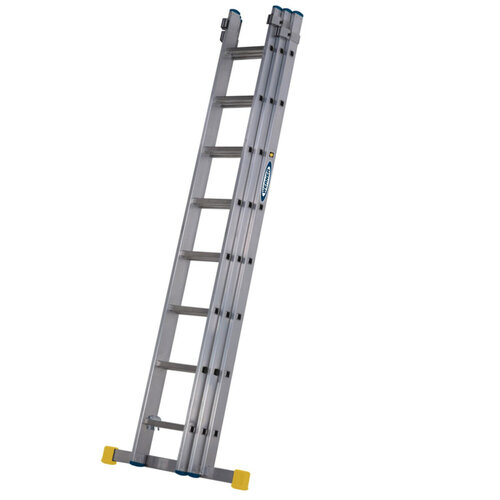
Werner Box Section Extension Ladder - 3 Section 2.45m
Werner 3-section aluminium extension ladder, extends to 5.81m, EN131 certified.
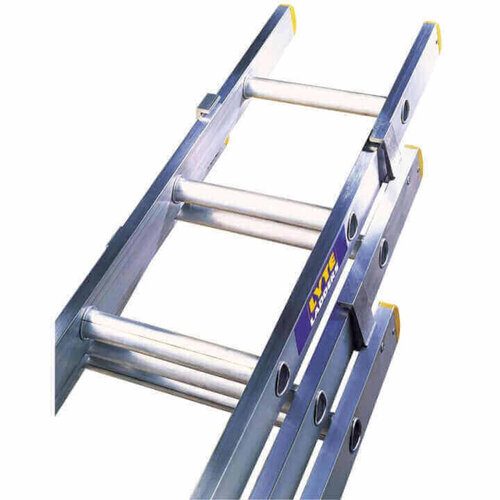
Lyte Ladders 3 Section EN131-2 8 Rung Extension Ladder - 2.42m - 5.22m
3-section EN131-2 extension ladder, height 2.42m–5.22m, 8 rungs
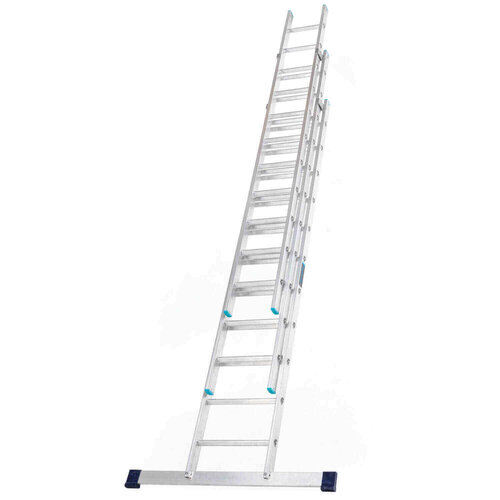
TB Davies Taskmaster Aluminium Professional Extension Ladder - 3m Triple
3m triple professional aluminium extension ladder with stabiliser bar
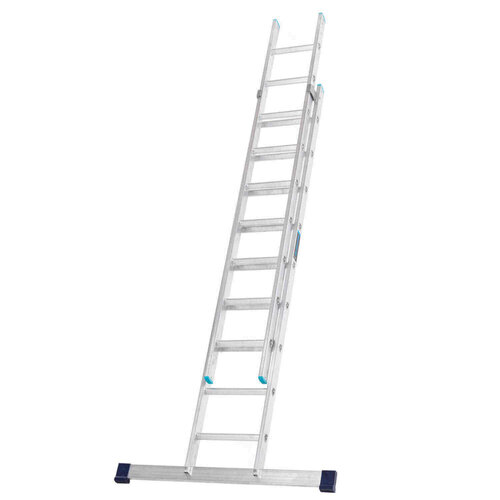
TB Davies Taskmaster Aluminium Professional Extension Ladder - 2.5m Double
2.5m aluminium double extension ladder to EN131 Professional standard
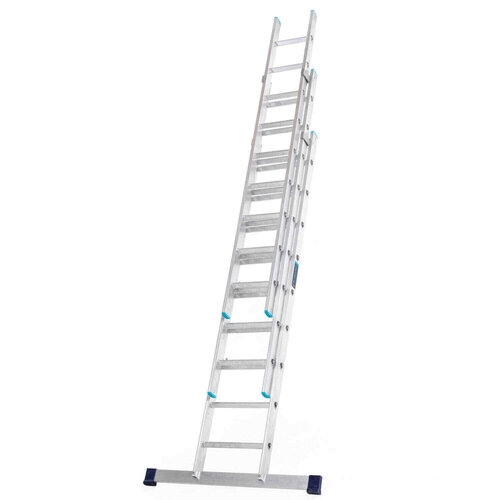
TB Davies Taskmaster Aluminium Professional Extension Ladder - 2.5m Triple
Professional aluminium extension ladder with stabiliser bar, 2.5m triple
For the Trade
What usually decides it is reach, closed length and how often you’re shifting it between jobs. If the van’s already tight, pack-down matters more than saving a bit of weight. For repeat work, you’ll usually want an extension ladder that goes up cleanly and does not feel awkward when you’re extending it on your own. Heavy duty extension ladders make sense where the ladder is getting hard use and you do not want it feeling flimsy. A lighter aluminium extension ladder is often the one you keep grabbing when access and handling matter more than brute strength.
Extension Ladder Options Compared
Two-section extension ladders are the usual pick when you want fewer moving parts and a quicker set-up. Three-section versions make more sense when closed length matters more than simplicity. If you’re carrying the ladder through tight access or loading a busy van, that shorter pack size can make the difference.
Trade extension ladders suit day-to-day site work where you want a familiar, straightforward layout. Professional extension ladders and heavy duty extension ladders come into play when the ladder sees harder use or more frequent handling. Multi purpose extension ladders are worth a look only if you need more than one position from the same bit of kit, but you do give up some of the simplicity of a plain extension ladder. If you’re comparing the wider range, start with Ladders & Platforms.
Choosing Materials and Size
Material is the first call here. An aluminium extension ladder is usually the one you pick when you’re moving it in and out of vans, up stairs, or across site all day. It stays lighter and easier to handle than heavier builds. The trade-off is that it can feel less forgiving than a heavier-duty frame when the job is rough on kit.
If it’s going to live on site and take a beating, step up accordingly. Check the closed length as well. If it’s awkward to carry, it gets left behind.
When you need something more stable than a ladder for longer work at height, that’s when Access Towers start to make more sense. Keep an eye on Ladder Accessories too. The right feet, hooks, or standoffs often decide whether the ladder’s actually right for the job.
Completing the Setup
Once you’ve picked the right extension ladders, the next call is what the job needs around them. For a short run of work, a few ladder accessories are often enough. Stabilisers, stand-offs and replacement feet keep a good ladder from being held up by a missing part.
If the job stays in one place for longer, access towers are usually the next buy. They give you a proper working base instead of asking the ladder to do everything. That shift matters when the ladder is being moved between jobs and parts go missing.
Related searches
Local availability for Extension Ladders



