Sealants & Adhesives
When you’re choosing sealants and adhesives, start with what the joint has to do. A rigid grab adhesive suits fixed building work where you want strength fast. A more flexible sealant is the better call where movement or weather will keep working the joint.
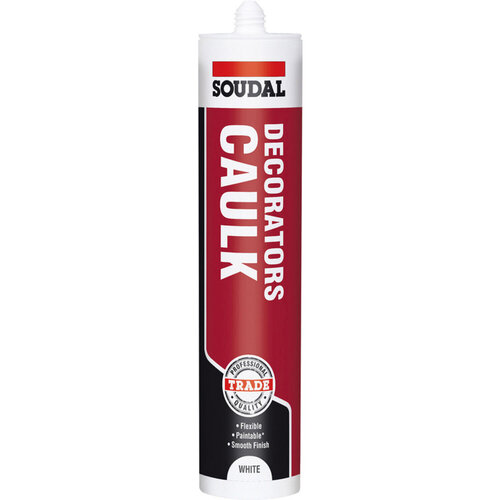
Soudal Decorators Caulk - 290ml
White interior decorators caulk, 290ml, paintable flexible filler
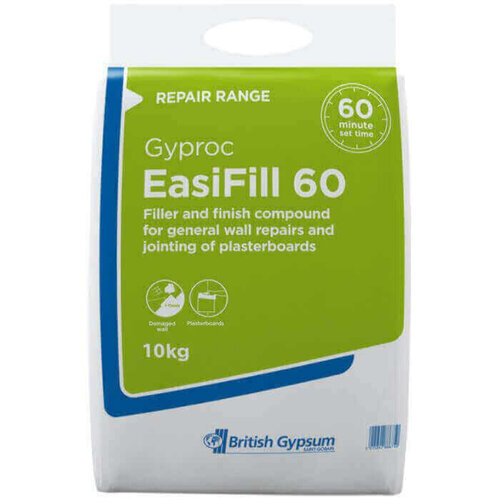
British Gypsum Easi-Fill 60 Filler & Finish - 10kg
Two-coat plasterboard filler and finish, 60 min working time, 10kg
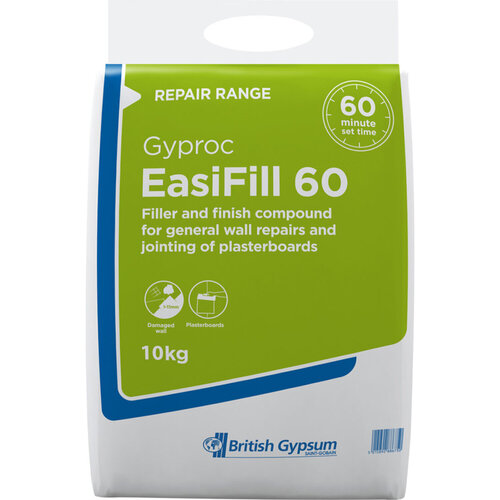
GYPROC EasiFill 60 Jointing Filler - 10kg
GYPROC EasiFill 60 Jointing Filler, 10kg. Interior filler for plasterboard joint…
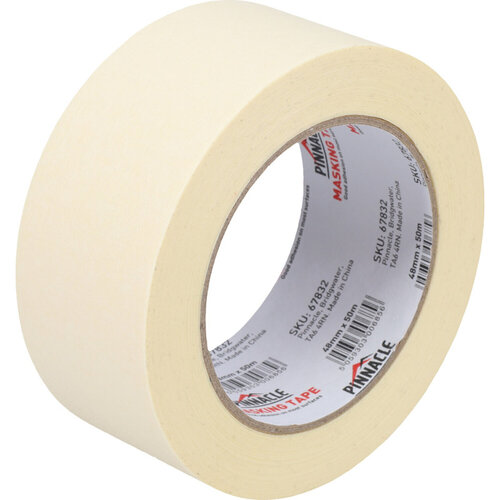
Pinnacle Masking Tape - 48mm x 50m
48mm x 50m interior masking tape for precise paint masking.
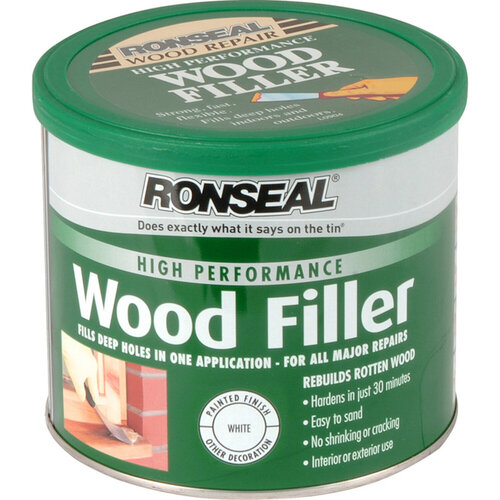
RONSEAL High Performance Wood Filler - White 550g
White wood filler 550g, hardens in 30 minutes for interior and exterior repairs
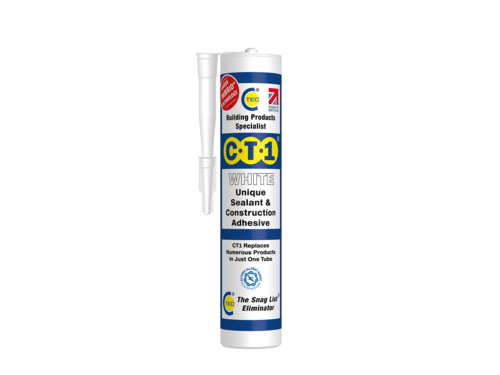
CT1 Unique Sealant - Construction Adhesive - 290ml White
Odourless white sealant and construction adhesive for interior and exterior use
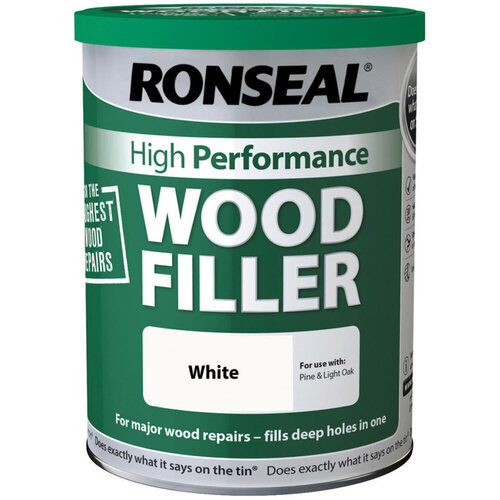
RONSEAL High Performance Wood Filler - 1kg White
RONSEAL High Performance Wood Filler, 1kg White. For interior and exterior repai…
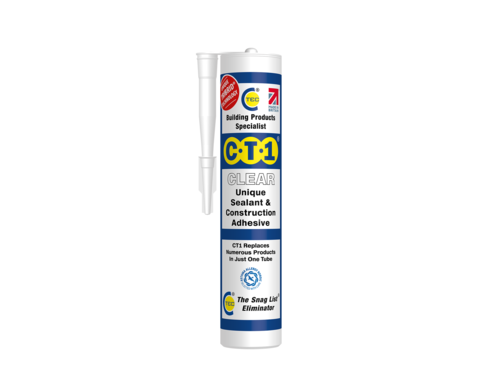
CT1 Unique Sealant - Construction Adhesive - 290ml Clear
Clear sealant and adhesive with 1-year guarantee
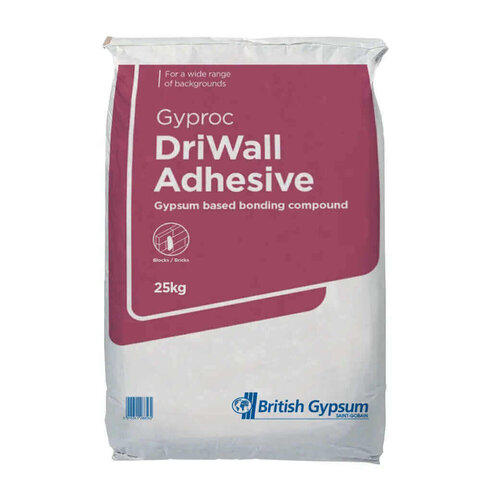
British Gypsum Gyproc Driwall Adhesive - 25kg
Gypsum-based adhesive for dot and dab plasterboard fixing, 25kg
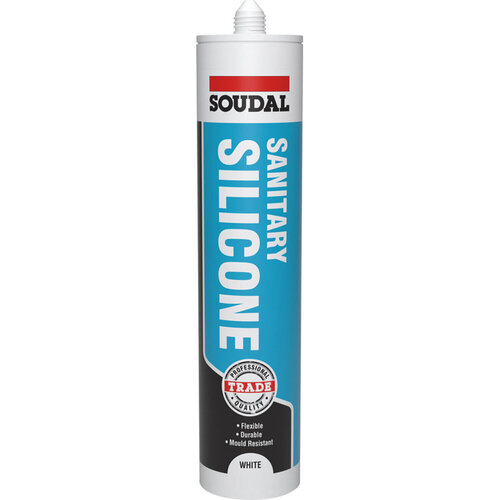
Soudal Trade Sanitary Silicone - 290ml White
White sanitary silicone sealant for interior and exterior use, 290ml
For the Trade
You narrow sealants and adhesives by space first, then by how the job will be used. Tight access, awkward corners or a small bead to finish usually points you one way. Need more working time or a stronger hold? That points you another. The usual mistake is choosing on finish before you’ve checked the layout. Then the product is awkward to gun, too fast to tool, or wrong for the movement on site. Choose for the job in front of you, not the label on the tube.
Adhesives & Glues
When you’re down to sealants and adhesives, the first call is simple: does the fixing need to hold load, or just hold parts in place while the rest of the job moves on?
That’s where Adhesives & Glues comes in. It is the narrower buy when you need grab, bond strength, or a cleaner fixing line. The wider sealants and adhesives range still covers the jobs where movement, weathering, or gap-filling matters more. In practice, the choice usually comes down to substrate, cure speed, and how much adjustment time you have before it bites.
Aggregates & Chemicals
If you need fillers, primers or other site chemicals as well as sealants and adhesives, start here. Aggregates & Chemicals is the narrower buy when the job moves beyond the tube or cartridge and into prep, mixing or finishing materials.
That keeps you from loading the wrong gear. Use the main range for the fixing or sealing itself. Come here when the spec starts calling for the supporting materials too.
Fillers, Foams & Putty
When you’re down to sealants and adhesives, this is the bit you buy when the job needs filling rather than fixing or sealing. The main call is how much movement you’ve got, how deep the void is, and whether you need a finish you can sand or paint back.
Quick-setting filler saves time, but it gives you less room to work it. Foam suits bigger gaps where you need bulk. Putty is the neater pick for smaller repairs and patching. For the narrower Fillers, Foams & Putty range, go there.
Sealants, Silicones & Tools
This is the bit you buy when the job needs a clean finish as much as a hold. In sealants and adhesives, the choice usually comes down to movement, substrate and how neat the joint needs to look once it’s done.
Silicone sealants are the usual pick where you need flexibility and a weather-tight bead. Acrylic sealants are easier to overpaint and suit internal finishing work.
If you need a fixing rather than a bead, construction adhesives or polyurethane adhesives are the ones to look at. They give you less forgiveness once they’re on.
Tools matter too. A poor gun or nozzle will make a decent product look rough.
Tapes
Tapes are the one you reach for when the job needs holding, masking or sealing without opening a cartridge. They suit quick fixes and awkward details where a wet product is overkill. You get a clean line or an immediate hold, rather than waiting on cure time.
The trade-off is simple. You get speed and control, but not the same structural bond as construction adhesives. Use them for temporary hold, edge protection or a straightforward seal. If the joint needs to take movement or load, tape is the wrong call.
Tile Adhesive & Grout
For tile work, the first question is usually whether you need grab, open time, or a grout that suits the finish you want.
On a straightforward wall or floor job, standard tile adhesive and grout is the economical buy. Once you move to larger format tiles, a bit of movement, or a substrate that gives you less forgiveness, you start looking at products with more flexibility or a stronger initial hold.
Fast set saves time. It also leaves less room to correct a run of tiles before it bites.
Key Differences When Choosing
The first question is where the joint or fixing is going. That tells you the finish and how much movement you need to allow for.
Silicone sealants are the usual pick where moisture or movement is part of the job. Acrylic sealants are easier to handle and tidy on internal work, but the finished surface does not behave like enamelled steel.
If you need grab rather than a bead, look at construction adhesives or polyurethane adhesives. You lose some adjustment time once they are on.
Sealants and adhesives comes down to substrate, exposure and how much correction you want before it goes off.
Next Decisions After Choosing
Once you’ve picked the main product, the next call is what finishes the rest of the job around it. On a bathroom or kitchen fit, that usually means the panels, screens, storage and the wall finish sitting against the joint line. A poor substrate or a late change in finish is what causes most call-backs.
If the surrounding surfaces are still being built up, the next sealants and adhesives need to suit that finish, not the other way round. Keep an eye on what’s being fixed, what’s being sealed, and what still needs painting or tiling. That decides the next buy.
Related searches
Local availability for Sealants & Adhesives