Water Butts
If you’re choosing water butts, start with capacity and footprint. A larger unit suits a roof that throws plenty of runoff, while a slim or smaller body is easier where space is tight. Plastic water butts are usually the lighter, lower-cost option. Metal water butts bring a firmer finish and more weight. Check whether you need a tap, stand or filter with it as well, because the wrong setup is what usually causes the call-back.
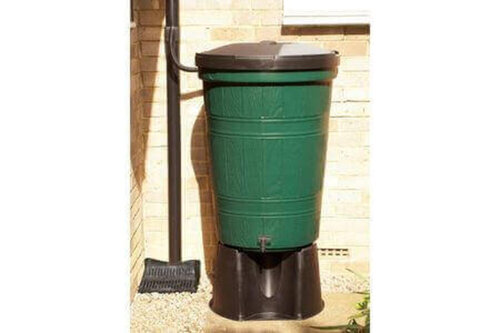
Water Butt Stand for Water Butt - 200L Black
Universal water butt stand for 200 litre butts, black
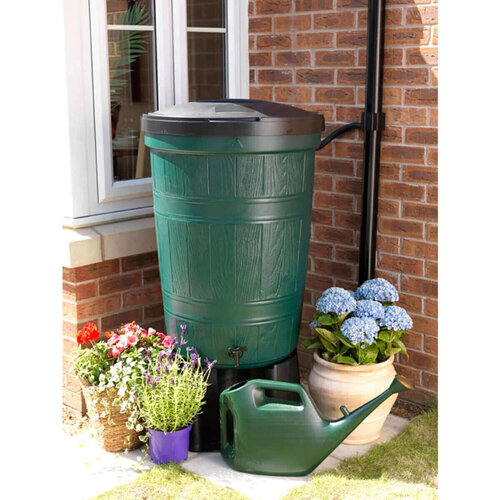
Original Organics Straight Limited Water Butt - 200L Green
200L green recycled HDPE water butt with tap and child-safe lid.
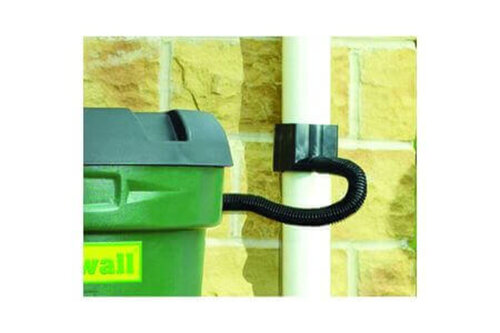
Straight Water Butt Rain Diverter Kit - 500mm Black
Rain diverter kit for water butts, 500mm black
For the Trade
What usually decides it is how the butt will be used once it’s full. For regular garden use, water butts with a tap low enough to fill a can without lifting save faff on site. Where roof run-off is steady, a larger body makes sense, but only if you’ve got a solid base and room to get it in. Plastic water butts are usually the easier fit for most jobs. Metal water butts are picked more for a firmer feel and a different finish, but they’re not the first pick if handling is awkward.
Types of Water Butts
Start with the setup, not the badge on the front. Trade water butts suit a straightforward job where you want a simple unit and little fuss at the fittings. Rainwater collection butts work better when you want the butt, tap and connection points to operate as one system.
Water butt stands come in when the outlet needs to sit higher off the ground. A low tap is no use if the can will not fit underneath. Water butt connectors and other water butt accessories matter when you are linking units or matching an existing downpipe. That is where most call-backs start. If you are working across Watering, this is usually where the spec gets settled.
Selection Factors for Water Butts
Plastic water butts are usually the better pick when handling matters more than the finish. They are lighter to move and easier to set in place, which helps if you are working alone or lifting up steps. Metal water butts feel firmer and can suit a more exposed spot, but they are heavier and you notice that on the lift.
Size is the other call. Small water butts keep the footprint tight where space is limited. Large water butts make more sense if you have the wall space and want fewer emptying runs.
If the tap needs to tie into existing kit, check the Hose Tap Connectors. If you are feeding from a longer run, the Garden Hoses page is the next stop.
Finish the Room
Once you’ve picked the butt itself, sort the bits around it next. A stand helps when you need the tap clear of paving or space for a can underneath. Add a filter where you want to keep debris out before it causes trouble. That is often where the call-backs start.
If the downpipe run is awkward, the connector and fittings matter more than the body shape. For longer runs or linked setups, check the rest of the watering kit as well. A tidy install only holds up if the weakest joint does.
Related searches
Local availability for Water Butts

