Safety Trainer Boots
Safety trainer boots suit jobs where you want the lighter, more flexible feel of a trainer without giving up the protection spec. The main call is usually toe cap type and whether you need metal free, because that affects weight, detector use and how the boot feels after a long shift. Composite toe trainer boots are often picked when you want less bulk, while a standard safety trainer boot can be the simpler choice if you are not chasing every gram.
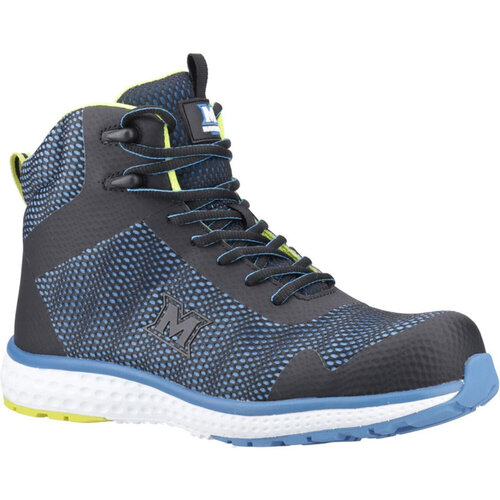
Maverick Sky Super Light Safety Trainer Boots - Blue Size 10
Super lightweight safety trainer boots, blue, size 10, with protective toe cap a…
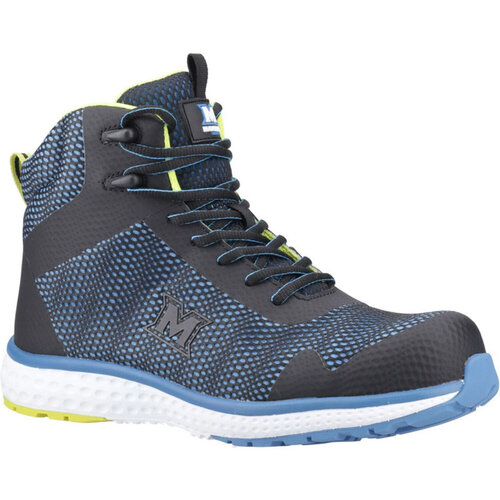
Maverick Sky Super Light Safety Trainer Boots - Blue Size 8
Super lightweight safety trainer boots with toe cap, blue size 8 standard fit
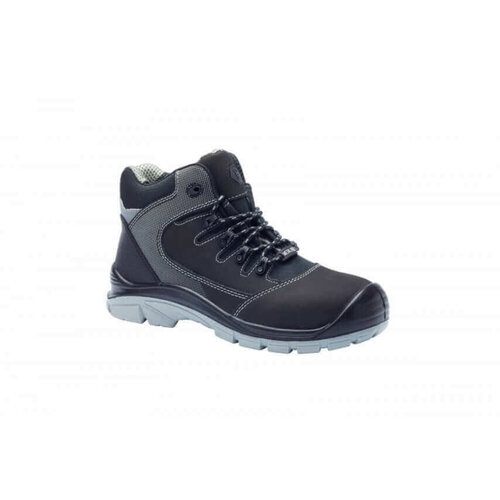
Blackrock Carson Hiker - 10 Black/Grey
Black and grey safety trainer boot, size 10.
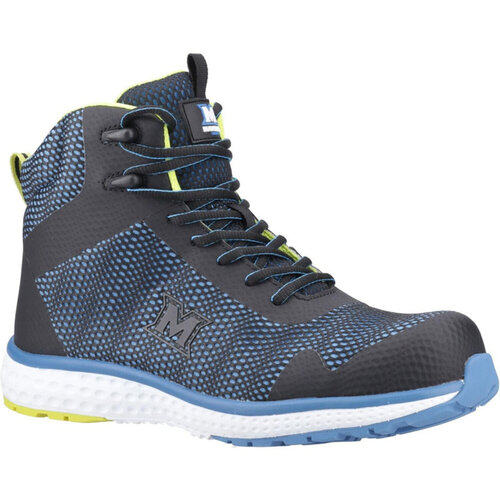
Maverick Sky Super Light Safety Trainer Boots - Blue Size 11
Maverick Sky super light safety trainer boots, blue, size 11
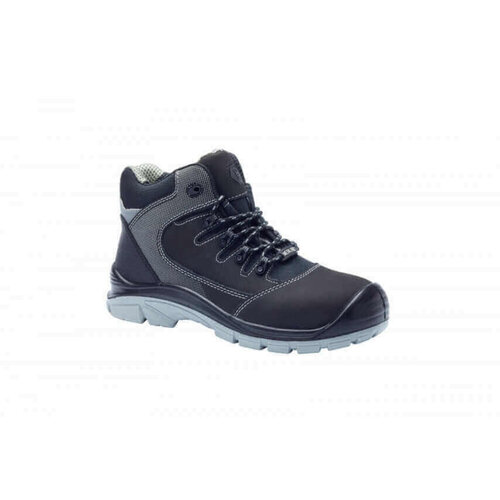
Blackrock Carson Hiker - Size 11 Black/Grey
Blackrock Carson Hiker boot in size 11, black and grey
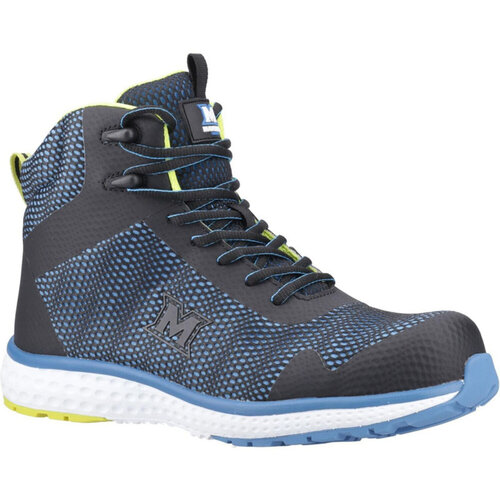
Maverick Sky Super Light Safety Trainer Boots - Blue Size 9
Maverick Sky Super Light blue safety trainer boots with toe cap, size 9
For the Trade
Start with the job and how you’ll be moving. That usually decides more than the finish. If you’re up and down stairs, working in tight rooms, or on a site where you’re on your feet all day, safety trainer boots are often the pick for less bulk and easier handling. On rougher ground, or where you want more ankle support, you’ll usually move back to a heavier boot. Check toe cap type and whether you need metal-free kit before you get distracted by the rest.
Types of Safety Trainer Boots
When you’re choosing safety trainer boots, the first split is usually between a plain safety trainer boot and the more built-up versions with extra support or weather protection. Lighter pairs suit jobs where you’re on your feet all day and do not want a stiff boot holding you back. You give up some ankle support, and a bit of toughness on rougher ground.
Composite toe trainer boots suit jobs where weight matters and you want less metal in the shoe. Metal free safety trainer boots make more sense where scanners or site rules are an issue. Compared with the rest of Safety Footwear, this is the format trades usually pick when they want trainer comfort without dropping the protection spec.
Selection Factors for Safety Trainer Boots
You’re usually choosing safety trainer boots on three things: how much weight you want to carry, whether site rules point you towards composite toe trainer boots or a metal-free build, and how long the pair needs to keep going before they look done.
If you’re in and out of vans, up stairs, or working indoors, the lighter feel usually wins. On rougher ground, a firmer build may last better, but it won’t feel as nimble.
Check the fit as well. A safety trainer boot that moves on the heel is the one that comes back.
If the job changes, Chainsaw Boots are the next step for specialist protection. Laces & Insoles are worth sorting when the pair is sound but the wear points are giving you grief.
Finish the Room
Once you’ve settled on safety trainer boots, the next call is what the job throws at you around them.
On wet ground or dirty access, waterproof footwear or wellies may be the better buy for the day. A trainer-style pair only does so much once water is coming over the top.
For long shifts, sort work socks and overshoes at the same time. A decent sock changes how a safety trainer boot feels by the end of the day. Worn insoles are often what brings a good pair back to the counter.
If the site is more aggressive, move up to safety boots rather than trying to make a lighter shoe do a boot’s job.
Related searches
Local availability for Safety Trainer Boots


