Commercial Lighting
Commercial lighting usually comes down to three things: the space, the control gear, and how much downtime you can afford if something fails. Office lighting is usually picked for a cleaner, more even result. Warehouse lighting and industrial lighting are chosen for output, spread, and fewer call-backs in harsher conditions. If you’re replacing older fittings, check what’s already there before you commit - the wrong driver or control setup is where jobs get held up.
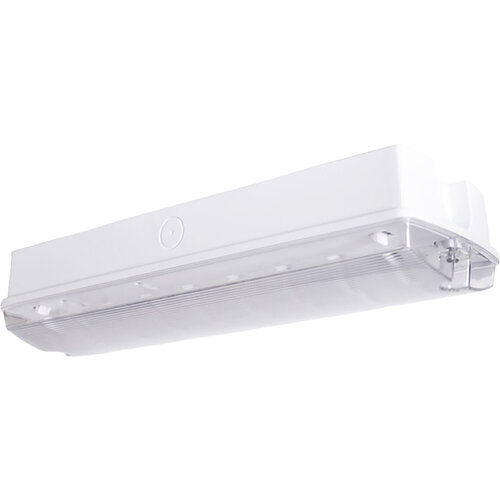
Integral LED IP65 IK08 Emergency Bulkhead - 5W 250lm
5W LED emergency bulkhead with 3-hour illumination and IP65 IK08 protection
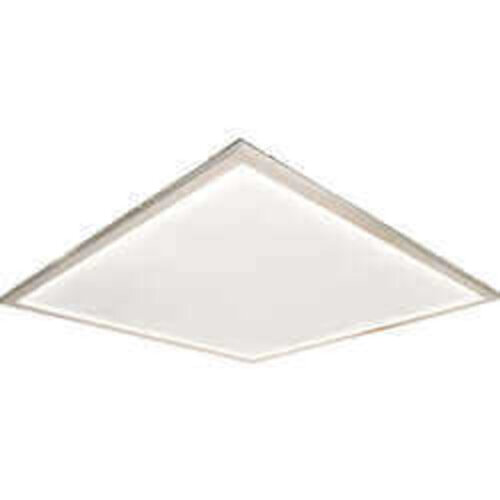
Meridian LED 600 x 600 Back Lit Panel IP20 - 36W 3200lm 4000K
36W backlit LED panel 600x600mm, 4000K cool white, 3200lm, IP20
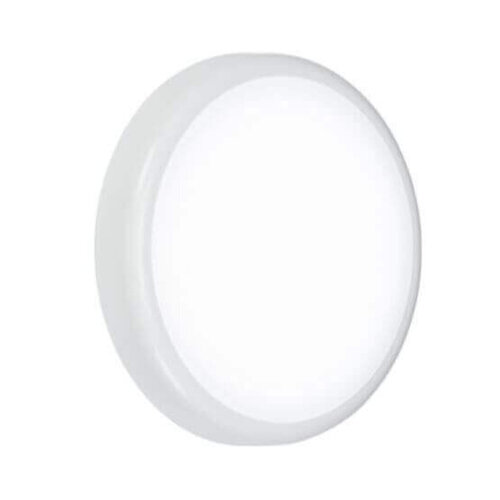
Knightsbridge Trade LED CCT Adjustable Emergency Bulkhead with Sensor IP65 - 14W…
14W LED CCT adjustable emergency bulkhead with sensor, IP65
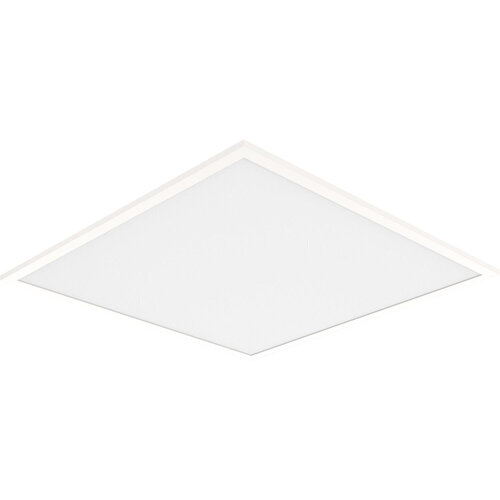
Integral LED Evo 600 x 600 Back Lit Panel IP20 - 33W 3600lm 4000K
600x600mm LED panel 33W 3600lm cool white, IP20
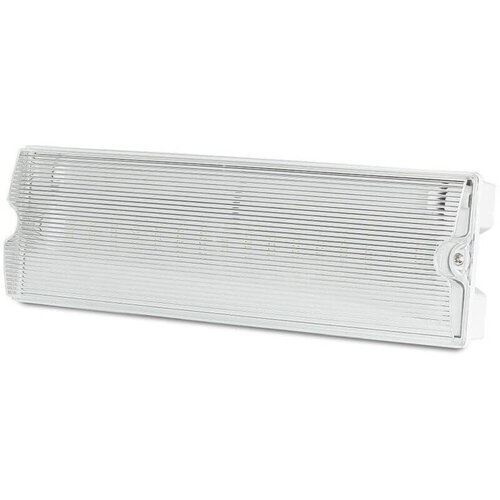
V-Tac LED Emergency Light - 3W IP65
3W LED emergency light with 3-hour battery, IP65, includes exit pictograms
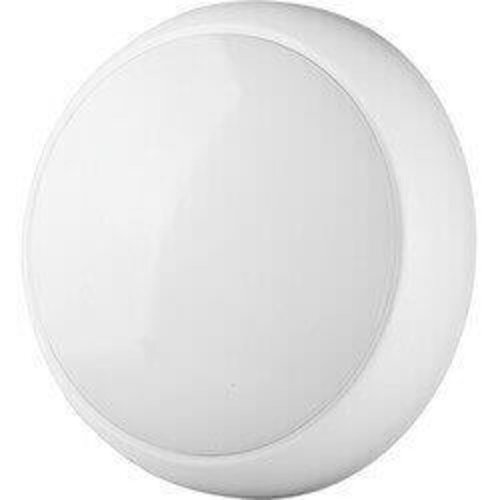
V-TAC Round Bulkhead IP65 - 20W 2600lm CCT Emergency Sensor
IP65 LED bulkhead with CCT switch, microwave sensor and emergency battery backup
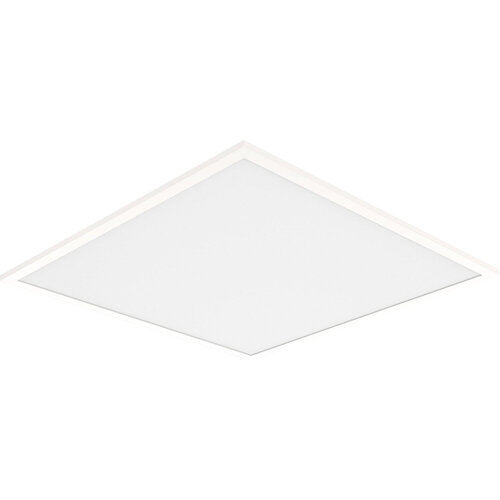
Integral LED Evo 600 x 600 Back Lit Panel IP20 - 36W 3650lm 6500K
600x600mm LED backlit panel, 36W 3650lm daylight white, IP20
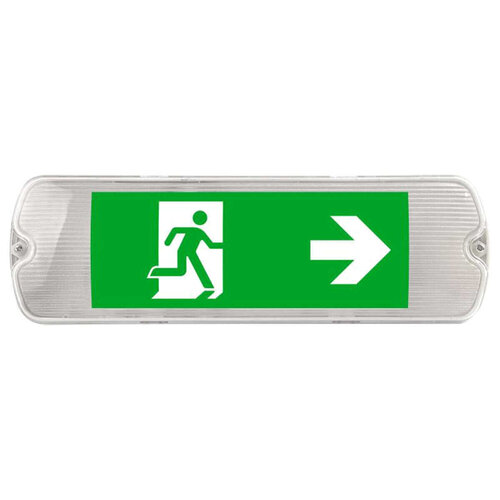
Kosnic Mulu Standard IP65 LED Emergency Exit Sign Bulkhead - 1W/5W 6500K
IP65 IK10 LED emergency exit sign for internal and external applications.
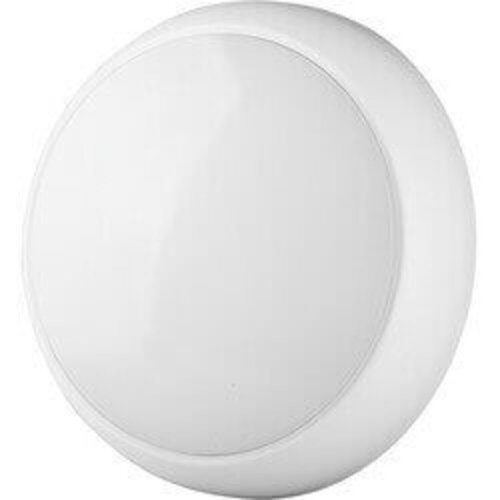
V-TAC Round Bulkhead IP65 - 20W 2600lm CCT
20W IP65 round LED bulkhead with adjustable CCT and microwave sensor
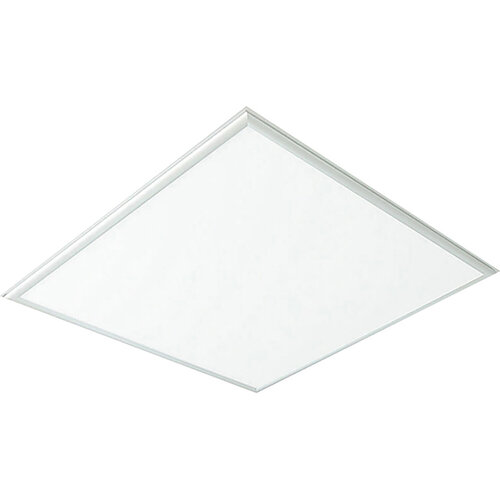
V-TAC IP20 Flame Resistant (TP-A Rated) 600 x 600 Backlit LED Panel - 36W 4320lm…
36W 600x600mm backlit LED panel, 4320lm, 4000K, IP20, TP(a) rated
For the Trade
Start with the space you’ve got and how the area gets used. That usually narrows the spec faster than finish or fitting style. Tight ceilings, long runs and awkward access push you one way. Open areas with higher output needs push you another. Industrial lighting and office lighting are rarely chosen on looks alone. Beam spread, glare control and how much time you’ve got on the install matter more. With commercial lighting, the wrong call is usually the one that looks fine on paper but leaves you short on coverage or awkward on the fit.
Popular Commercial Lighting Formats
Industrial lighting suits harsher, busier areas where output and durability come first. It replaces lighter-duty fittings that struggle in demanding spaces, but the trade-off is a more functional look.
Warehouse lighting works when you need wider coverage across racking or open floor. It cuts dark patches and helps keep light spread even, though it is less about presentation than reach.
Office lighting is the better fit when you need a calmer, more even result with less glare. It gives a cleaner working environment, but it is not the right choice where the space takes more abuse.
Shop lighting makes sense where presentation matters as much as visibility. It helps products stand out, yet it can be the wrong call if the area needs broad, hard-wearing output instead.
If you’re still weighing the broader range, Lighting is the place to start.
Key Differences When Choosing
For commercial lighting, start with what the space does all day, not how the fitting looks on the shelf. A busy factory or yard usually needs tougher gear and a wider spread. Office lighting is more often chosen for a steadier, lower-glare result where people sit under it for hours.
Shop lighting is a different call if you need displays to read properly. When you’re changing older gear, check the control gear as well. A lot of call-backs come from mixing new fittings with the wrong driver or starter. For a straight replacement, Downlights suit tighter ceiling work, while Fluorescent Starters are the bit you need when you’re keeping older fluorescent kit running.
Next Decisions After Choosing
Once the main fittings are chosen, the next call is usually the surrounding finish - panels, screens and storage that affect how the space is used and maintained. In commercial lighting jobs, the snag is often not the fitting itself but what sits around it: a clean ceiling line in an office, tougher finishes in a warehouse, or display areas in a shop that need the light kept clear.
If the room is being refreshed as part of a bigger strip-out, sort the adjacent finishes before you close the ceiling up. That’s where the job stays tidy, or starts getting revisited.
Related searches
Local availability for Commercial Lighting









