Garden Bags
Choose garden bags around the waste you’re handling and how often they’ll move. Light leaf waste is straightforward. Brash, wet cuttings and mixed clear-up jobs need heavier material and a wider opening, or the bag will split or tip as you drag it. Large garden bags reduce emptying, but only if you have room to handle them. Smaller bags work better where access is tight or the load needs shifting by hand.
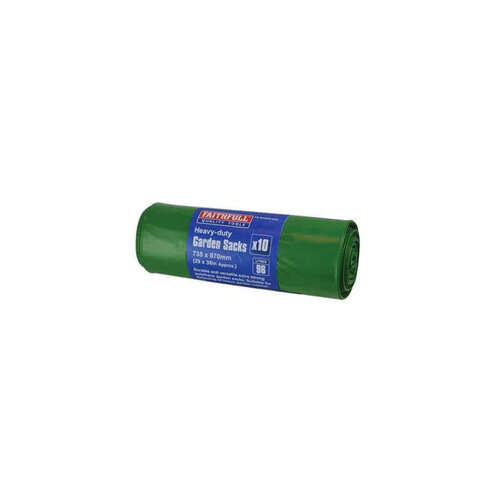
For the Trade
Start with how much room you’ve got to work in and how the bag will be moved, because that usually decides more than finish or extras. If you’re loading by hand and shifting it often, a lighter, more manageable option saves hassle. For bigger clear-ups, large garden bags or heavy duty garden bags make more sense. They take the punishment and cut the number of runs. Reusable garden bags suit regular jobs where you want the same kit back out next time. Biodegradable garden bags only earn their keep where disposal is the priority.
Popular Garden Bag Formats
Heavy duty garden bags are the ones you reach for when the load is awkward, damp or likely to snag. They hold up better when you drag them over rough ground or fill them hard.
Reusable garden bags make more sense when you’re turning bags round all week. You keep them in service after one job, but they do need a bit more care between uses.
Biodegradable garden bags are the cleaner pick where disposal matters more than keeping the bag. They give you less life than a tougher reusable bag.
Trade garden bags sit in the middle. They work as the all-rounder when you want one bag that covers most clear-ups without overcommitting.
If you’re comparing the full range under Maintenance & Care, that’s usually where the job starts to narrow it down.
Key Differences When Choosing
Size is usually the first call. Large garden bags suit bigger clear-ups because you spend less time emptying them, but they need room to stand and room to move once loaded.
Small garden bags work better where access is tight or the job is split into stages. You tip more often, but they are easier to handle in cramped spaces. On regular jobs, that trade-off matters more than the label on the bag. If the waste is going straight into Compost or you are clearing material that needs burning, check the next step before you buy - some jobs are better served by Garden Incinerators than by filling bags all day.
Next Decisions After Choosing
Once the bag’s chosen, the next call is what sits around it on site - screens to keep spoil contained, storage for sorted waste, or a finish that can take the mess the job leaves behind. That’s where the surrounding products matter more than the label on the bag.
If you’re clearing mixed waste, you’ll usually want something that keeps the load organised rather than just bigger garden bags. If it’s mainly green waste, a simpler setup is often enough. The usual miss is buying the bag first, then finding the rest of the clear-up kit doesn’t suit how the work is being handled.
Related searches
Local availability for Garden Bags

