In Car Chargers
In car chargers usually come down to what you need to power and how much room you’ve got in the cab. A compact USB unit suits phone top-ups and keeps the socket clear. Multi-port and higher-output chargers make more sense if you’re running tablets or more than one device at once. If the lead and plug body are bulky, they tend to get knocked about in tight cabs, so size matters as much as output.
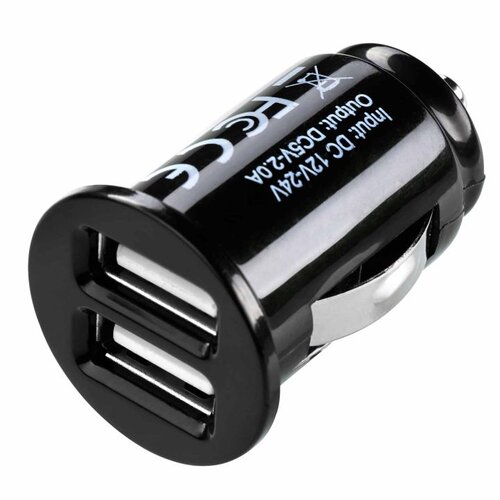
Ross USB Car Charger - 2.1A Dual Output
Compact dual USB car charger with 2.1A and 1A outputs, piano black finish
For the Trade
Start with the space in the dash and where the lead will sit, then match the charger to the job. In a tight cab, a low-profile unit is easier to keep clear of gear levers, switches and storage lids. If you need to charge a phone only, a single-port usb car charger is usually the cleanest fit. If the driver is running a tablet or laptop as well, extra outlets and higher output matter more than a neat finish. That layout-first call is what stops you buying a charger that works on paper but gets in the way in the vehicle.
In Car Charger Options Compared
A lot of the choice in in car chargers comes down to how many devices you’re feeding and how much clutter you can live with.
A single USB car charger is the tidy pick for one phone. Multi-port units make more sense in a van or crew cab when more than one device is on charge at once. The trade-off is a bigger body and more cable hanging about.
Fast charging in car chargers suits jobs where the vehicle is only in for short runs and you want a quicker top-up. You only get that benefit if the device and lead can take it.
Wireless in car chargers keep things neat, but they’re usually less flexible than a straight USB setup.
If you want the wider Car Accessories range, this is the point where you narrow it down by outlet count, charging speed, and how much space you’ve got to spare.
Choosing Materials and Size
The first thing to check is how much space you’ve got around the socket and gear lever. Compact in car chargers suit tight cabs because they sit low and stay out of the way. The trade-off is less to grip, and they can be fiddly with gloves on.
Bigger bodies are easier to handle and often leave more room for plugs or leads. They can also foul trim or sit awkwardly in a busy dash. If you’re kitting out a van and want to keep the cab clear, Pipe Storage is often bought at the same time. For towing work, Trailers & Accessories is the other job that tends to drive the spec.
Completing the Setup
Once you’ve picked the charger, think about what else the cab needs around it. If you’re fixing the mounting point, routing the cable, or keeping leads and spare devices together, sort that at the same time. Leave it until later and you usually end up with loose wiring and a charger that gets knocked about.
If the vehicle is carrying kit as well as phones, check the surrounding accessories before you finish the job. That’s where pipe storage and the right load restraint from Trailers & Accessories come into the conversation. The usual miss is buying the charger on its own, then finding the rest of the cab still needs organising.
Related searches
Local availability for In Car Chargers

