Windows & Window Fittings
When you’re choosing windows & window fittings, start with whether you’re replacing like for like or fixing a specific fault. If the frame and opening gear are staying as they are, matching the existing pattern saves time and avoids awkward returns. For repairs, the hinge, handle, stay or lock type matters more than the finish. Check the old set before you order, because parts that look close can still miss on fixing centres or handedness.


Purlfrost Plain Frosted Window Film - 1m x 2m
Self-adhesive frosted window film providing privacy and daylight, 1m x 2m
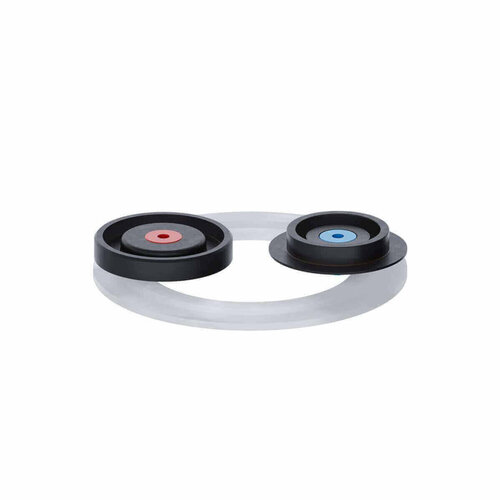
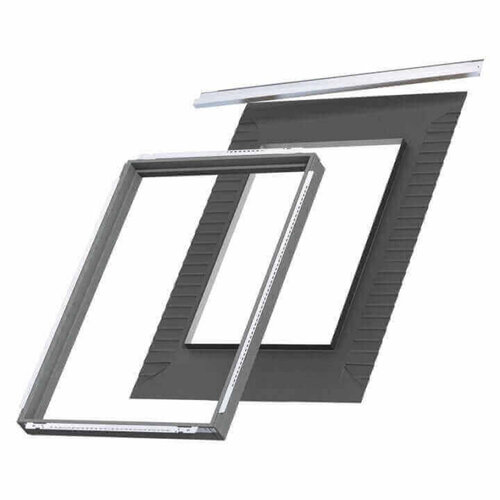
Velux Pro+ Flashing EDW MK04 Single Tile + BDX - 78 x 98
Velux Pro+ flashing kit EDW MK04 for single tile, 78 x 98mm.
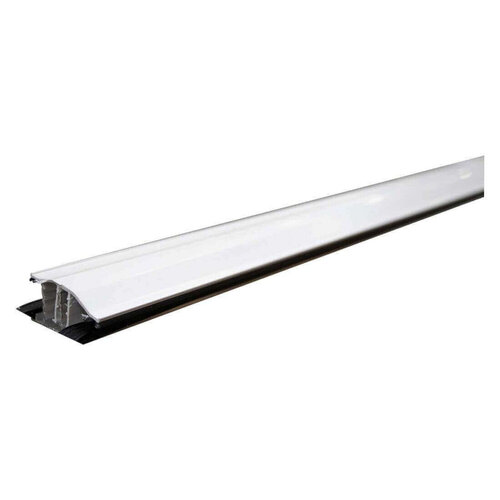
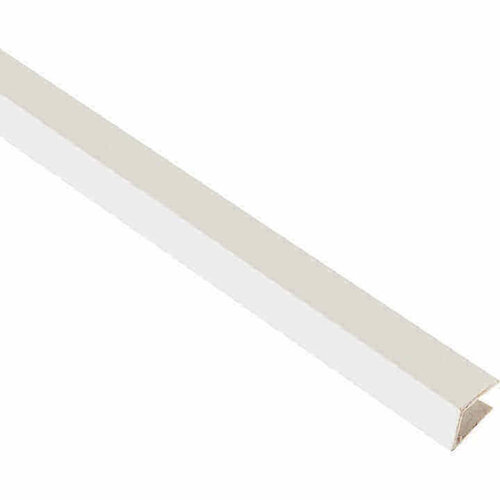
Polycarbonate Sheet PVC Closure - 10mm x 2.1m White
White 10mm polycarbonate sheet with PVC closure, 2.1m length
Molan Styrene Sheet - 1220 x 610 x 2mm Clear
Clear styrene glazing sheet 1220 x 610 x 2mm for internal use
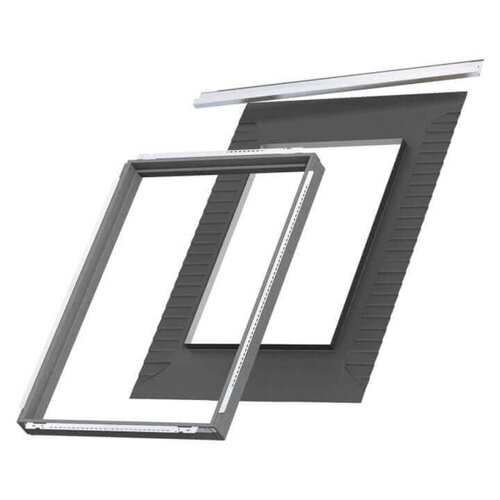
Velux Pro+ Flashing EDP Plain Tile with BDX - SK06 114 x 118 Aluminium
Velux Pro+ BDX aluminium flashing for plain tile roofs
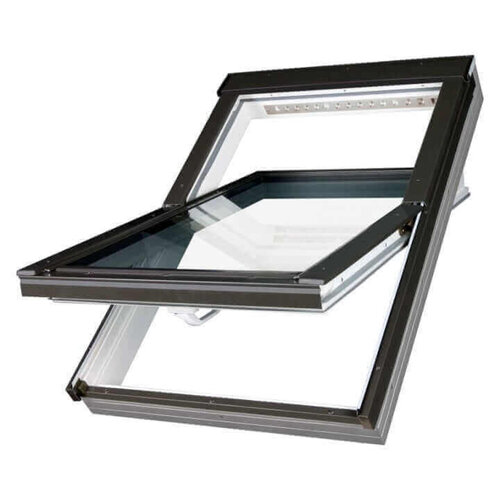
Fakro Roof Window UPVC PTP-V P2 - 55cm x 78cm White
White uPVC roof window, 55mm x 78mm
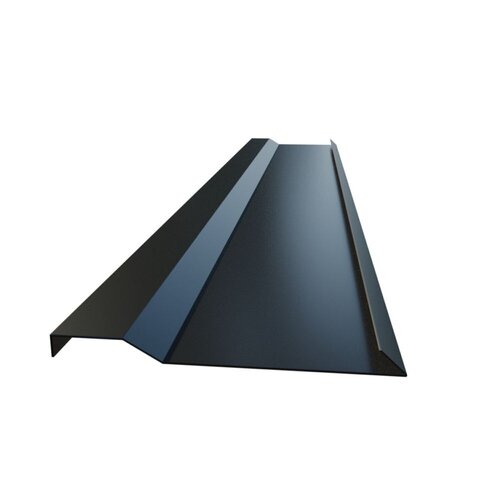
GSE Integration Black Lateral Flashing - 1290mm
Black lateral side flashing for GSE Integration solar systems, 1290mm
For the Trade
Start with the space you’ve got and how the unit will be used. That usually narrows the choice fast. Tight openings, awkward access, or a straight replacement point you one way. A bigger opening or a change in use can push you towards a different spec. That is where windows & window fittings are usually decided on site, not at the counter. Finishes and accessories matter, but they come after fit and function. If you’re working across a mixed job, check the rest of Building & Doors before you commit. The wrong match tends to show up as a call-back later.
Blinds
For Blinds, the main question is how much control you need and how neat the finish has to be. If you’re matching an existing setup, fixing and size matter more than the style name on the box. Get that wrong and you’ll be back to it.
On a lot of jobs, it comes down to how much light you need to cut and whether the opening needs a clean, low-fuss finish. If the brief is more about privacy and control than the frame itself, this is the narrower buy within windows & window fittings. If you’re dealing with the frame or hardware, you’re in a different part of the job.
Glazing Sheets
Glazing sheets come into play when you’re replacing the pane itself rather than sorting the whole unit. First check what the frame will take, then check how much edge finish you need.
For a straightforward repair, they’re usually the cleaner buy. If the frame is tired or the opening has moved, the full windows & window fittings range is the better fit.
The trade-off is simple. You save on the part you don’t need, but you still need the right thickness and cut. For a narrower buy within this range, see Glazing Sheets.
Roof Lanterns
Roof Lanterns are the bit you spec when the job needs more light from above and a cleaner finish than a standard flat roof detail. They suit a larger opening where the roof build-up can take the extra structure.
The main call is usually between appearance, headroom and how much framing you want visible from inside. If the job is really about a full rooflight arrangement, Roof Lanterns are the narrower buy within windows & window fittings. If you’re only sorting the opening itself, stay with the main window range instead.
Roof Window Flashing
Roof window flashing comes down to the roof covering and the roof pitch, not the window itself. Get that wrong and you end up chasing leaks or rework, so it’s usually bought to match a specific roof window rather than as a generic fitting.
Compared with roof lanterns or plain glazing details, it makes the opening weather-tight around the unit. Start with the right profile and the right compatibility. If the roof is already tiled or slated, that usually decides the flashing kit before anything else.
Roof Windows
Roof windows suit jobs where the roof space needs daylight and ventilation, not just a filled opening. Size, opening method, and the headroom left once the unit is in all shape the choice.
Fixed units keep the spec simple when light is the main aim. Opening versions make more sense where air movement matters too. Frame detail counts as well. A tidy unit that clashes with the roof build-up creates problems later. If you’re comparing windows & window fittings for a loft or upper-floor conversion, this is the branch where the roof structure and the room’s finished use drive the choice.
Window & Door Trims
Trims are for finishing the edge, not changing the window itself. Use them to cover gaps, tidy junctions, or sharpen the line where the frame meets the reveal. The job is about the finish you need, not the opening.
A neat trim can save time on awkward edges, but it will not fix poor sizing or a bad frame. If the unit itself is the problem, you are into windows & window fittings. If the frame is sound and you only need the last bit to look right, trims are the one to go for.
What to Check Before You Buy
For windows & window fittings, start with what’s actually being changed. A worn handle, a failed stay, a damaged frame detail, or a full replacement all send you down a different route. Mix parts with new window frames, and the job slows down fast.
Check the fixing pattern and handedness before you look at finish. A neat part that doesn’t line up just wastes time. On a bigger repair run, keep the ironmongery consistent and pull in Building Supplies when you need fixings, sealants or packers.
Useful Alongside Windows & Window Fittings
Once the main unit’s chosen, the next call is what finishes the opening and what sits around it. If you’re tidying the reveal, trims save time and give you a cleaner edge. If the job needs light control or privacy, blinds or other window coverings are the next purchase, not after the snagging starts.
Where the opening is being altered, glazing sheets and the right frame detail matter more than cosmetic extras. A poor match there is what causes callbacks. Keep the surrounding spec tied to the actual job, not just the window itself.
Related searches
Local availability for Windows & Window Fittings