Coolers
Cool boxes come down to two things: how long you need them to hold temperature, and how much you can carry without it becoming a nuisance. A small cool box suits lunches and short runs. Large cool boxes make more sense when you’re feeding a crew or keeping drinks and food separate. Hard-sided insulated cool boxes take more knocks and hold their shape better in the van, but they are bulkier than softer portable cool box options.
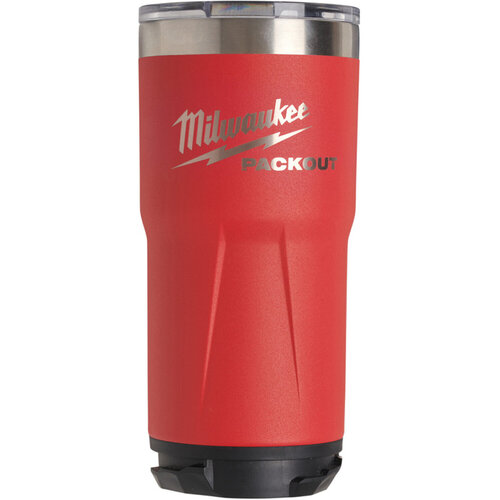
Packout Tumbler - 591 ml
Milwaukee PACKOUT 591ml stainless steel tumbler with vacuum insulation
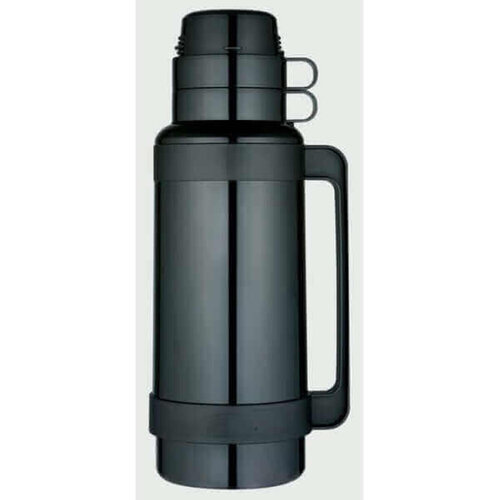
Thermos Mondial 32 Flask - 1.8L Assorted
1.8 litre vacuum flask keeps drinks hot for 6 hours or cold for 24 hours
For the Trade
Start with space and how you’re using it before you look at finishes or extras. If it’s going in a van or being carried between jobs, a portable cool box with a smaller footprint is usually the one that gets used. If it stays on site for a crew, larger cool boxes are worth the room because you are not constantly opening and repacking them. An insulated cool box only earns its keep if the lid seals properly and the box suits the load you are carrying. A half-full box that is too big loses performance quickest.
Popular Cooler Formats
Most trades narrow cool boxes by how you’ll carry them and how long they need to hold temperature. A portable cool box suits van work and short stops because it is easier to move about, but you usually give up some rigidity and capacity.
Hard cool boxes are the better pick when the lid gets opened all day or the box takes knocks on site. They hold up better under rough use. Insulated cool boxes make sense when retention matters more than weight. A basic cool box is the cheaper call for lighter use.
If you are choosing across the wider Tool Storage range, this is usually the bit that decides it.
Key Differences When Choosing
Size is usually the first call. A small cool box keeps the footprint down in the cab or van, which helps when you are already carrying other kit. You give up room for longer shifts or shared use.
A large cool box suits jobs where you need to split food and drinks, or keep enough in for a crew. It takes more space and is less handy to move about. If it stays in the vehicle most of the day, that trade-off usually works.
When security matters as much as storage, look at Vehicle & Site Safes. If you are organising kit alongside it, Tool Storage Drawers are the next thing to sort.
Next Decisions After Choosing
Once you’ve picked the right cool boxes, the next call is what sits around them on the job. If it’s going in a van or staying on site, storage and security matter more than the box itself. That’s where drawer units and vehicle-and-site safes earn their keep. Loose kit gets knocked about. It also goes missing.
For longer runs, a larger insulated cool box usually stays useful through the day. A smaller one is easier to keep separate for lunches or drinks. The mistake is buying for capacity only and not thinking about where it’s going to live.
Related searches
Local availability for Coolers

