Grout Pens
Grout pens are the quick fix when the joints are sound but the finish has gone patchy, stained or discoloured. Choose by nib size, colour match and how much area you need to cover - a finer pen suits tight lines and touch-ins, while broader tips move faster on longer runs but can look heavy if you are not careful.
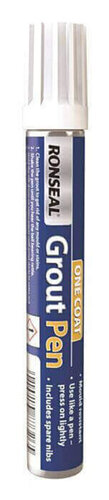
Ronseal One Coat Grout Pen - 15ml Brilliant White
One-coat grout pen restores grout lines without re-grouting; brilliant white, wa…
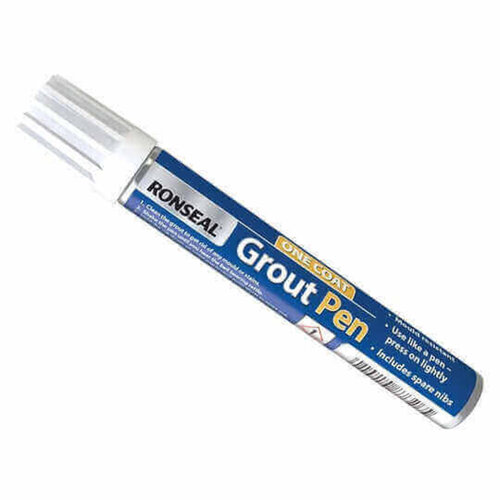
Ronseal One Coat Grout Pen - 7ml White
One Coat grout pen for freshening grout lines after painting tiles.
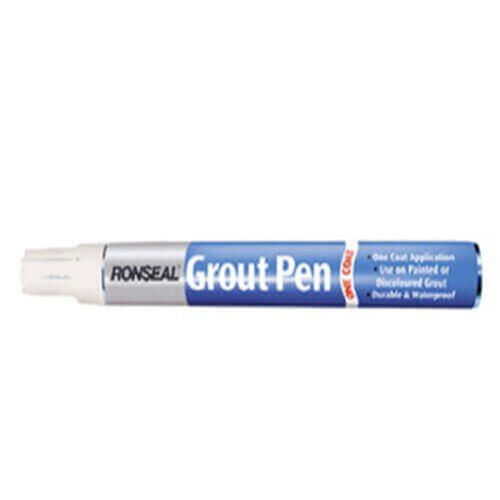
Ronseal One Coat Grout Pen - 15ml White
White 15ml grout pen with spare nibs for freshening grout lines in one coat
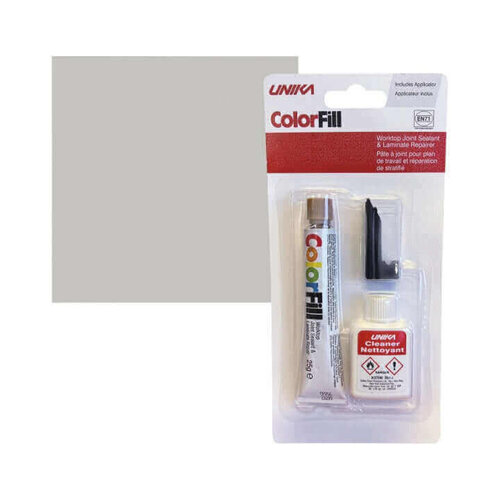
Colorfill Joint Filler - 25g Folkstone
Colorfill Folkstone worktop joint filler, 25g
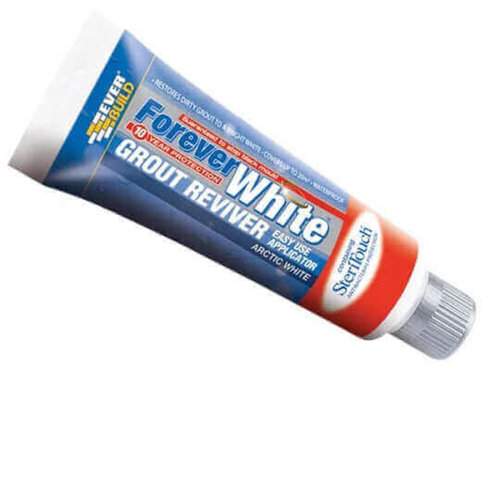
Everbuild Forever White Grout Reviver
White door edge protector to prevent finger trapping, length 1960mm
For the Trade
Start with the space you’ve got and how the job will be used, because that usually tells you more than the finish on the pack. In tighter areas, a grout pen with a finer tip is easier to control around small joints and edges. Broader nibs suit longer runs where you want to cover faster. A grout marker can save time on larger tiled areas, but you give up a bit of precision. If the colour match needs to be close, check the shade against the existing layout before you commit. That’s where most call-backs start.
Popular Grout Pen Formats
A grout pen suits small touch-ups where you want control and a clean line without flooding the joint. A grout marker has a broader face, so it moves faster on longer runs. You give up some precision at corners and tight details.
Grout markers work well on repetitive jobs where speed matters more than a pinpoint finish. A grout restorer pen, or grout restorer pens, is the better pick when tired joints need a more even colour across a wider patch. That puts it closer to the Tile Adhesive & Grout range than a simple touch-up pen.
Key Differences When Choosing
If the joints are sound and the colour is the issue, grout pens are the quick buy. If the grout is breaking down, you need Grout instead.
Nib size is the main call. A slimmer grout pen gives you more control on tight joints and awkward edges. A broader grout marker moves faster on long, straight runs, but it can look heavy if you are not steady.
For larger areas, a grout restorer pen usually makes more sense than single-use touch-up pens, especially when you have several rooms to cover. If the job runs alongside floor finishes or perimeter sealing, Flooring Sealants & Adhesives is the other check.
Next Decisions After Choosing
Once you’ve picked the right grout pens, the next call is the finish around them. If the job includes a shower or wet room, the pen is only part of the spec - you’ll usually be looking at shower waterproofing kits and a proper tile and floor sealer where the surrounding surfaces need protection as well.
On bathroom refurbs, tile trims and matching panels often matter more than people expect. A neat edge or a clean transition is what stops the room looking patched. If you’re sorting the whole tiled area, check the adhesive and grout side too, so the touch-up work doesn’t get let down by the rest of the finish.
Local availability for Grout Pens






