Laser Measures
Laser measures come down to two things: how far you need to read and how much room you've got to work in. A basic laser distance measurer is fine for quick internal checks and straightforward take-offs. A more capable laser range finder suits longer runs, awkward corners and jobs where you want fewer rechecks.
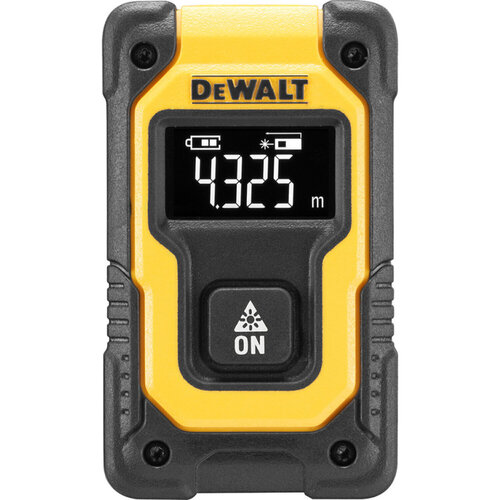
Dewalt DW055PL-XJ Laser Distance Measurer - 16m
16m laser distance measurer with ±6mm accuracy and rechargeable battery
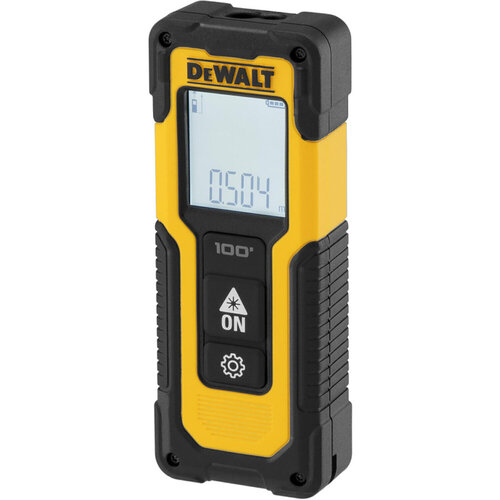
Dewalt DWHT77100-XJ Laser Distance Measurer - 30m
Pocket-sized 30m laser distance measurer with IP54 rating, accurate to ±3mm at 1…
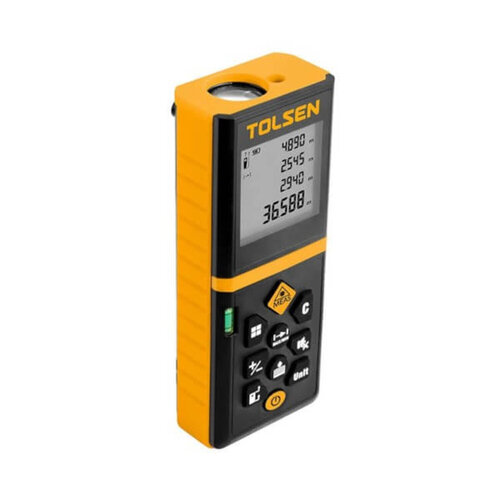
Tolsen Laser Distance Meter - 60m Range Industrial
Professional laser distance meter with 60m range and area/volume calculation.
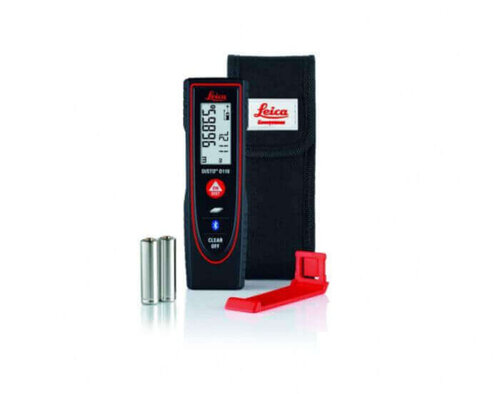
Leica Geosystems Disto D110 Laser Measurer with Bluetooth - 60m
Leica Disto D110 laser measurer, 60m range, Bluetooth connectivity
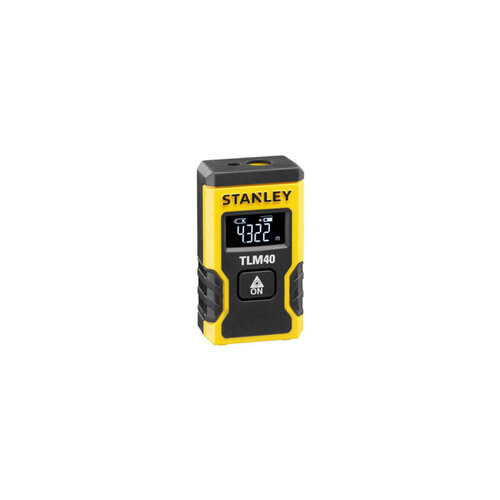
Stanley Laser Measure - 12m range, 6mm accuracy, Red
12m digital laser measure with 6mm accuracy and red laser
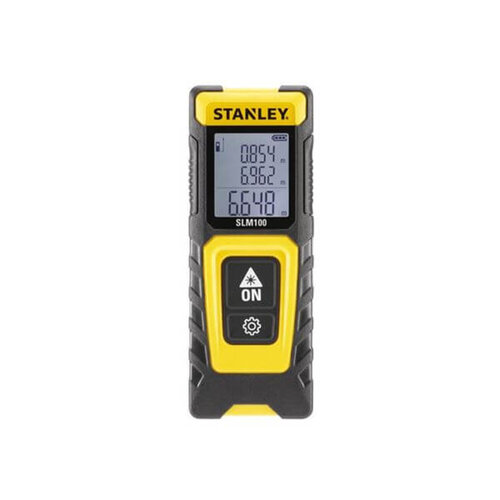
Stanley Laser Distance Meter - 30m Range ±3mm Accuracy
30m range laser distance meter with ±3mm accuracy and automatic area/volume calc…
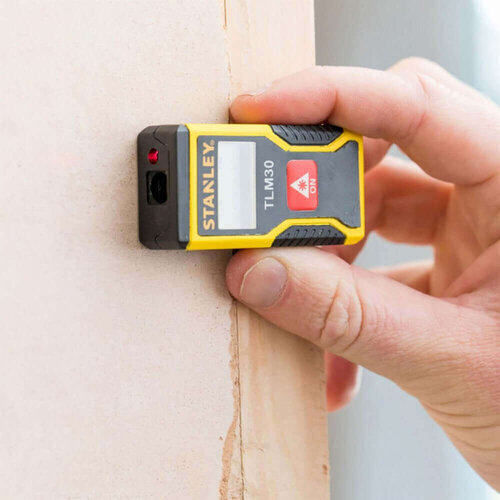
Stanley Pocket Laser Measure - 9m
Compact pocket laser measure with 9 metre measuring range
For the Trade
Start with the space you’ve actually got and how you’ll use the tool on the job. In tight rooms or for quick internal checks, a compact laser distance measurer is usually enough and easier to keep in the pouch. On longer runs, in brighter conditions, or when you’re setting out awkward lines, a laser range finder with a clearer display and more reach makes more sense. Extra features only matter if they save time on site. Otherwise, you’re paying for kit you won’t use.
Types of Laser Measures
For most jobs, you’re choosing between a basic laser distance measurer and a more capable digital laser measure. The simpler handheld laser measures suit quick internal reads when you do not need extra functions.
Step up to a laser distance metre with better memory, a clearer display or extra measuring modes when you are doing repeat take-offs or working alone and want fewer return checks. A laser range finder makes more sense once the distances get longer or the light is less forgiving, but you give up some simplicity and usually pay more for it.
If you are comparing the lot, keep it against the rest of our Measuring Tools range and pick the format that suits the job, not the spec sheet.
Selection Factors for Laser Measures
What usually decides it is the read you need and the conditions you’re working in. Basic laser measures are fine for internal take-offs and repeat checks. Once you’re pushing longer distances or working in brighter spaces, you want a unit with a clearer display and more reach.
If you’re setting out angles as well as distances, Angle Finders make more sense than trying to make one tool do both jobs. If it’s going alongside setting-out work, Laser Levels are the better buy. The usual problem is a measure that’s too limited for the site, not one that’s too capable.
Finish the Room
Once you’ve picked your laser measures, the next call is what’s going around them on the job. If you’re finishing a room, the rest of the spec usually comes down to the panels, screens, storage and wall finish you’ve already committed to, not the measuring kit itself.
That’s where the next order gets decided. A cleaner finish needs the right accessories and trim. A busier fit-out needs storage that keeps the kit to hand without getting in the way. The jobs that turn awkward are the ones where the measuring’s sorted but the finishing materials haven’t been thought through.
Related searches
Local availability for Laser Measures




