Multi Tools
Multi tools usually come down to how often you’ll use one and what you’re asking it to do. A cordless multi tool suits most site work because it’s quicker to grab for cuts and trims. A corded multi tool makes sense if it stays on the bench and you want constant power without battery swaps. Blades matter too - a cheap body with poor multi tool blades soon feels like the wrong buy.
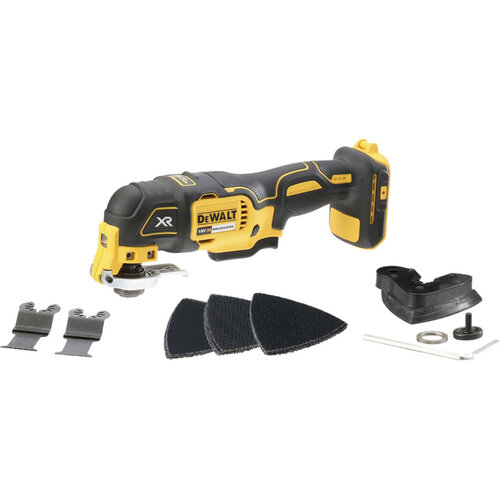
Dewalt DCS355 18V XR Brushless Multi Cutter - Body Only
18V brushless multi cutter, 0-20,000opm, tool-free blade change
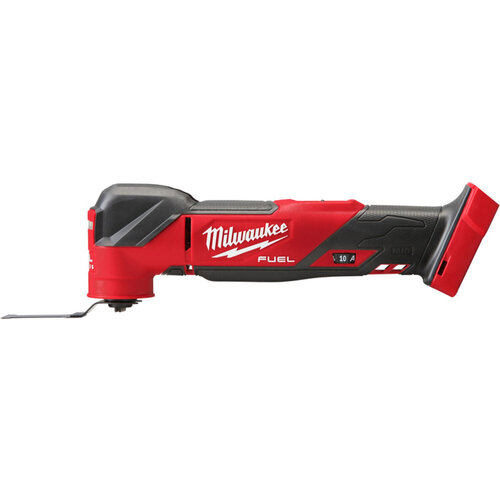
Milwaukee M18FMT-0 Fuel Multi Tool - Body Only
Cordless multi-tool with brushless motor and tool-free blade change, body only
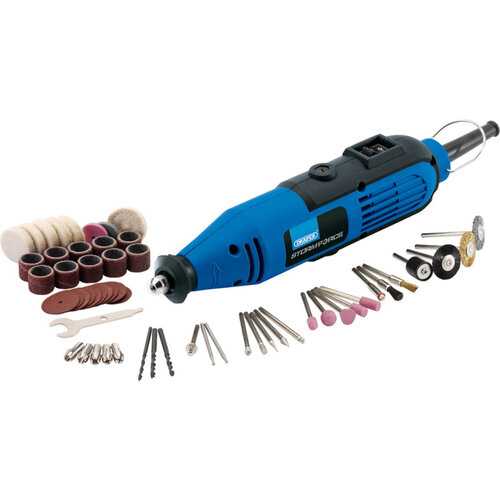
Draper 135W Rotary Multi-Tool Kit - 230V
135W corded rotary multi-tool kit with 51-piece accessory set, variable speed an…
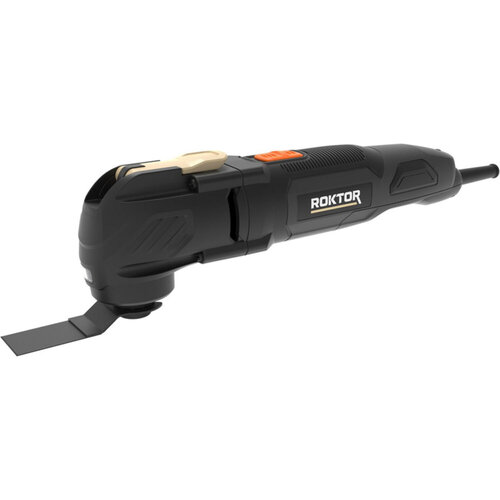
ROKTOR 300W Multi Tool - 230V
300W corded multi-tool with variable speed, LED light, and tool-free accessory c…
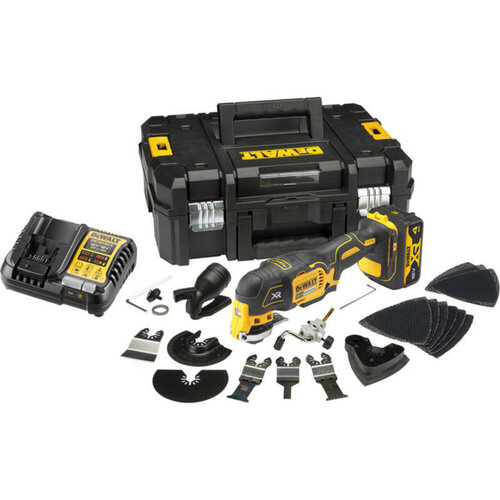
Dewalt DCS355 18V XR Brushless Multi Cutter - 1 x 4.0Ah
18V brushless multi cutter, includes 1x4.0Ah battery, charger and case
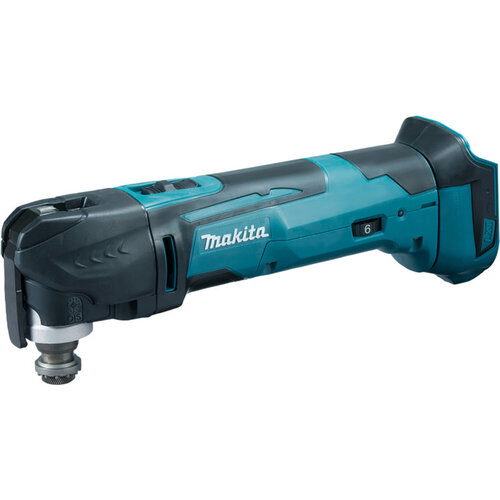
Makita 18V LXT Multi Tool Kit - DTM51Z Body Only
Makita DTM51Z 18V cordless multi tool body only for cutting and sanding
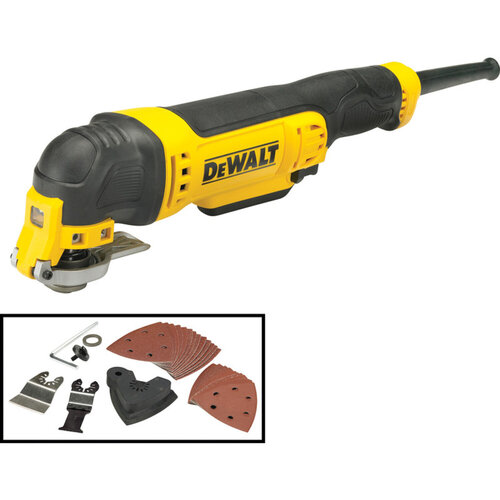
Dewalt 300W Oscillating Tool with Bag - 240V
300W corded oscillating multi-tool with accessories, ideal for sanding, cutting,…
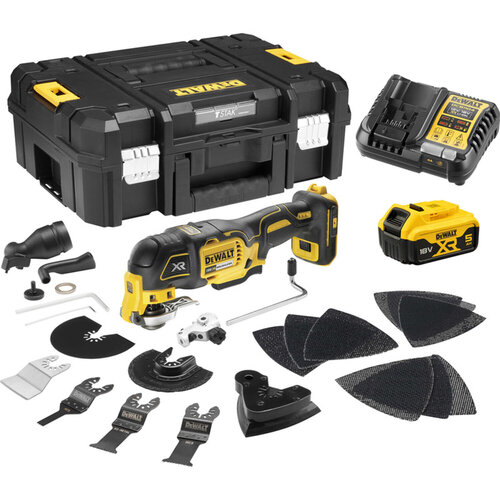
Dewalt DCS356 18V XR Multi-Tool (3 Speed) - 1 x 5.0Ah
18V XR multi-tool kit with 1 x 5.0Ah battery, charger, and accessories
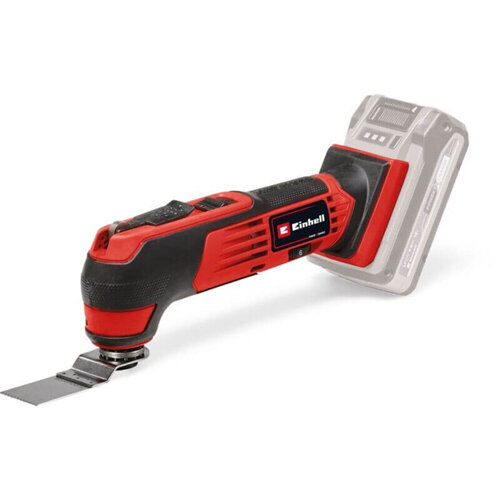
Einhell PXC Cordless Multi Tool TE-MG 18/1 Li - 18V Body Only
Cordless 18V oscillating multi-tool with variable speed, body only
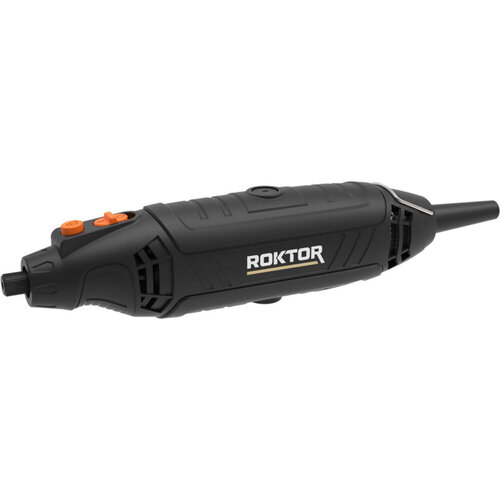
ROKTOR 135W Electric Multi Tool - 25pc Accessories 230V
135W corded multi-tool with variable speed, 25 accessories
For the Trade
Start with the space you’ve actually got and how you’re going to use it, because that usually matters more than finish or accessories. Tight to skirting, frames or pipework, you want a compact body and decent control; if you’re doing repeated cuts or scraping, balance and vibration matter more than the badge on the box. A cordless multi tool is the usual call when access changes all day, while a corded multi tool makes sense if it’s staying on the bench or running for longer spells. If you’re buying the tool for one awkward job, pick the layout that lets you keep the blade square and the cut line visible, because that’s where the time goes.
Multi Tool Types and Layouts
An oscillating multi tool is the main pick when you need one body for trimming, plunge work and flush cuts without changing kit. If the same cut comes up again and again, a dedicated multi tool cutter can feel faster and cleaner, but you lose some flexibility.
A multi tool scraper or multi tool sander suits finishing work more than cutting. They won’t replace a proper cutter, and blunt multi tool blades will slow you down and start the wobble. Compared with the wider Power Tools range, this is the compact end of it.
What to Check Before You Buy
What usually decides it is how often you’ll reach for it and what else you’re carrying. For one-off trimming and awkward access, multi tools earn their keep because they get into places a bigger kit won’t. You do give up speed on heavier material.
If you’re doing repeated cuts, check the blade system first. That’s where time gets lost when the fitment is awkward or the blades are poor. A cordless multi tool suits moving round the job. A corded multi tool makes more sense if you’re parked up and working for longer spells.
If the job is really about aggressive cutting, Angle Grinders or Concrete Breakers are the better call.
Useful Alongside Multi Tools
Once you’ve picked your multi tools, the next call is what’s going around them. If you’re finishing a room or a fit-out, panels, screens and storage often matter more than another tool in the van. They keep the job moving once the cutting’s done.
Wall finishes and adjacent trims can change the order you work in too. A clean cut only helps if the surrounding finish is ready for it. The jobs that get held up are usually the ones where the tool is right but the finish spec hasn’t been thought through.
Related searches
Local availability for Multi Tools








