Shower Valves
When you’re choosing shower valves, start with the job spec. Thermostatic shower valves are the usual pick where temperature stability matters. Manual shower valves suit simpler setups and tighter budgets. Exposed shower valves give you easier access to the body. Concealed shower valves leave a cleaner finish. Bar shower valves are the straightforward fit when you want easier replacement later. Check the outlet count too. A single outlet keeps things simple. 2 outlet shower valves are the ones you use when the handset and fixed head both need feeding. Low pressure jobs need the right valve, or you’ll be back sorting complaints.
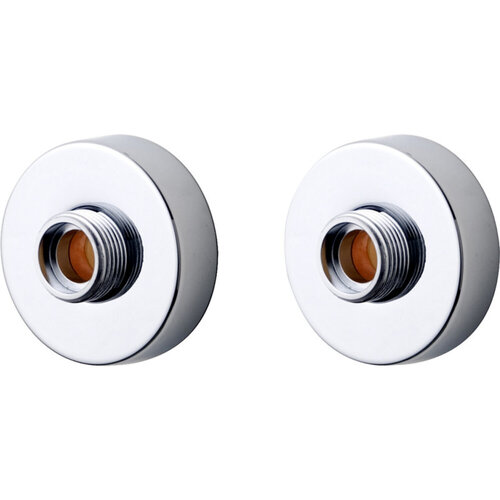
Round Bar Valve Fixing Kit - 2 Pack
Fast-fit round bar valve fixing kit in chrome with brass connectors, 2 pack
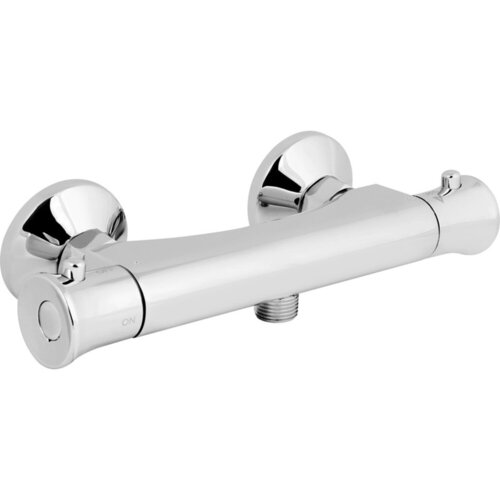
Deva Lincoln Thermostatic Shower Valve
Chrome brass thermostatic shower valve with 38°C max stop, 256mm wide
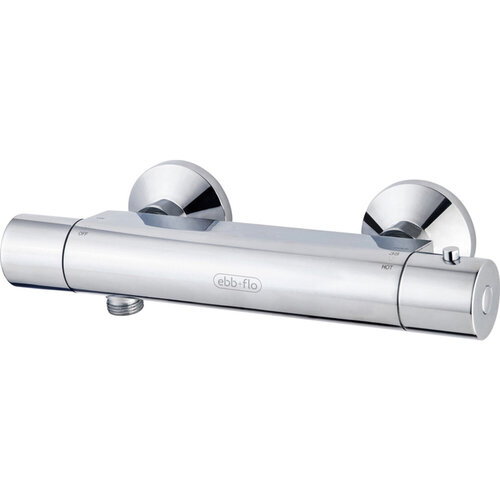
Ebb and Flo Thermostatic Shower Valve
Thermostatic shower valve delivering 6.2 L/min at 0.3 bar
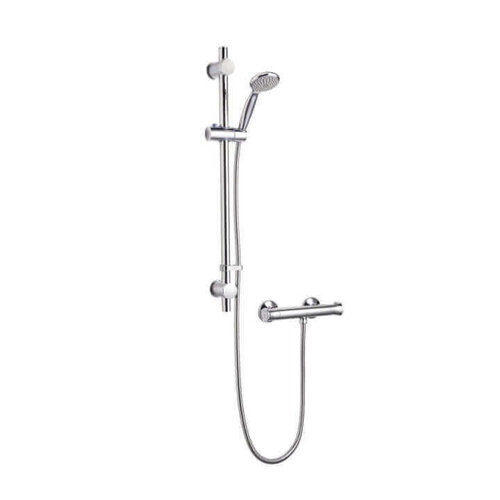
Deva Napoli Thermostatic Bar Shower Mixer Valve with Kit
Thermostatic bar shower mixer valve for safe, consistent water temperature, kit …
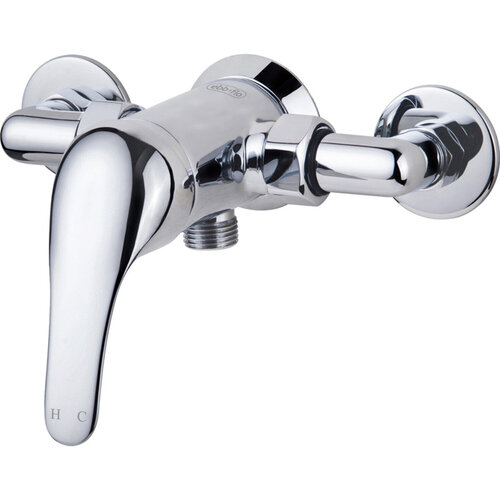
Ebb and Flo Manual Shower Valve
Manual shower valve with 40mm ceramic disc cartridge, for high and low pressure …
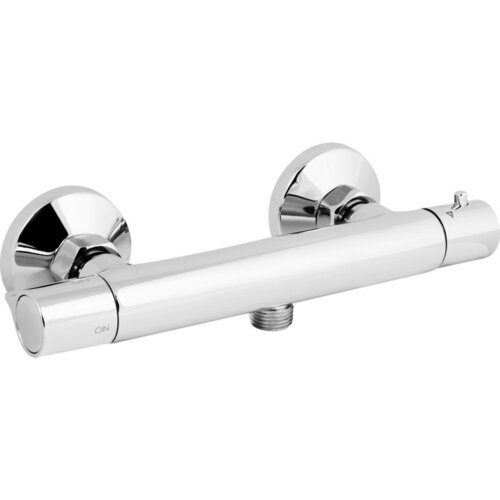
Deva Wells Thermostatic Shower Valve
Thermostatic shower valve, chrome plated brass, 6.3L/min at 0.5 bar
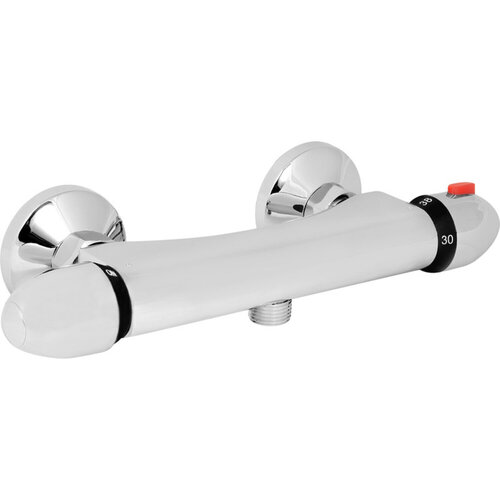
Deva Brighton Thermostatic Shower Valve
Thermostatic shower valve, 7L/min at 0.5 bar, chrome plated brass
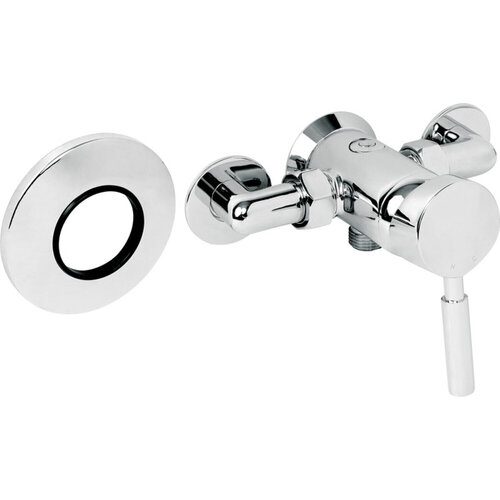
Deva Minimalist Manual Mixer Shower Valve
Manual mixer shower valve for high pressure and combi boiler systems, includes t…
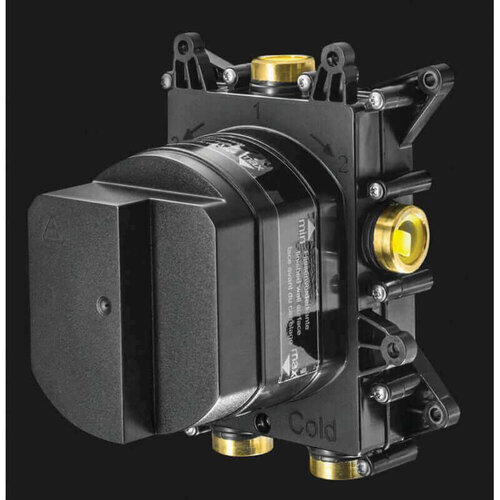
Crosswater Universal Box Thermostatic Shower Valve
Recessed thermostatic shower valve, 60mm depth, black
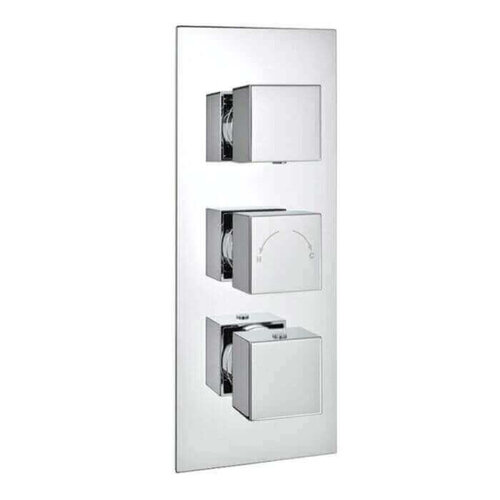
Kartell K-Vit Pure Triple Square Concealed Thermostatic Shower Valve 3 Way - Chr…
Concealed thermostatic 3-way shower valve in chrome
For the Trade
Start with the supply and the pipework you’ve actually got, then decide whether the job needs a thermostatic or manual body. After that, the layout usually does the sorting. Concealed shower valves suit a cleaner finish where the wall build allows it. Exposed shower valves are quicker to work with when access matters. Bar shower valves are the usual call for a straightforward like-for-like swap. Outlet count catches people out more than it should. A 2 outlet shower valve changes the spec more than most lads expect. If the pressure is marginal, check that before you commit. The wrong valve gets blamed when the feed is the real issue.
Shower Valve Types and Layouts
A single outlet valve keeps the setup simple. A 2 outlet shower valve gives you a handset and a head.
From there, choose between thermostatic shower valves and manual shower valves. Thermostatic is the usual spec on mixed-use jobs. Manual still works when the brief is straightforward and you do not need the extra control.
Concealed shower valves give a cleaner finish, but the wall build and access need to be right. Exposed shower valves are quicker to fit and easier to get back to later.
In compact rooms, shower baths often come into play because there is not room for a separate enclosure and a standard bath. The valve choice then has to follow the bath shape and screen layout. For the wider range, start back at Showering.
What to Check Before You Buy
Material is worth checking before you price the job. Most shower valves are brass-bodied, and brass shower valves usually get the nod when you want more weight in the hand and a solid feel behind the plate or bar.
Lighter bodies are easier to handle and fit. They may not feel as substantial on a high-use install.
If you need a neat, low-profile finish, concealed shower valves still make sense. If you want easier access later, exposed shower valves are the one to go for.
When the job moves into more functions, look at Digital Shower or Digital Showers rather than making a standard valve do the wrong work.
Useful Alongside Shower Valves
Once you’ve picked the valve, the next call is what sits around it. If the pipework is staying put, exposed shower valves save time and keep access simple. Concealed shower valves give you a cleaner finish, but the wall work has to suit.
A 2 outlet shower valve only makes sense where you’re feeding both handset and head. Otherwise you’re paying for outlets you won’t use. After that, the job turns to the surrounding finish - screens, enclosures, trays, and the wall panels or storage that need to line up with the valve position, not fight it.
Related searches
Local availability for Shower Valves








