Tool Storage Systems
Tool storage systems are usually chosen on capacity, access and how fixed the setup needs to be. If you’re keeping kit in one place, shelving or a rack system gives you quicker access and better visibility. If the job moves around, a lighter tool storage solution may make more sense, even if you give up some load capacity and security.
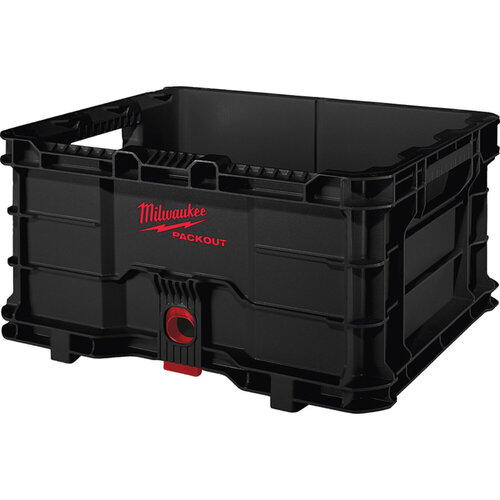
Milwaukee Packout Crate - 251 x 475 x 389mm
Milwaukee PACKOUT crate with 22kg load capacity, stackable
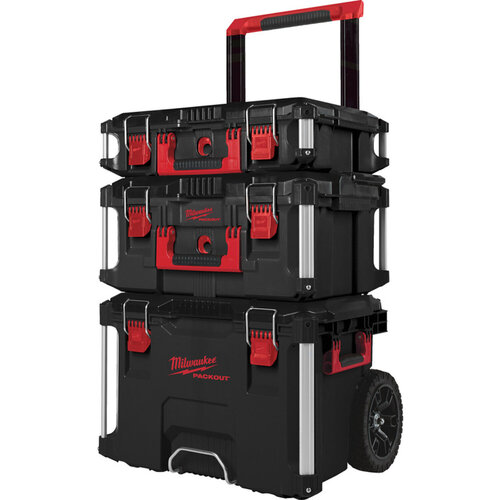
Milwaukee Packout Storage System - 3 Pc
3-piece IP65-rated modular tool storage system with all-terrain trolley
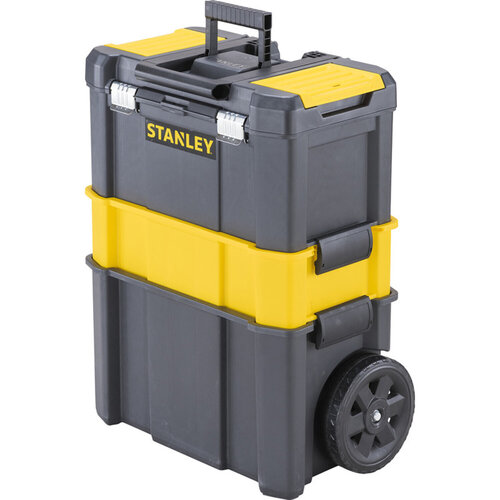
Stanley Essential Rolling Workshop - 475x283x630mm
Rolling workshop with 18" top toolbox and removable tote tray
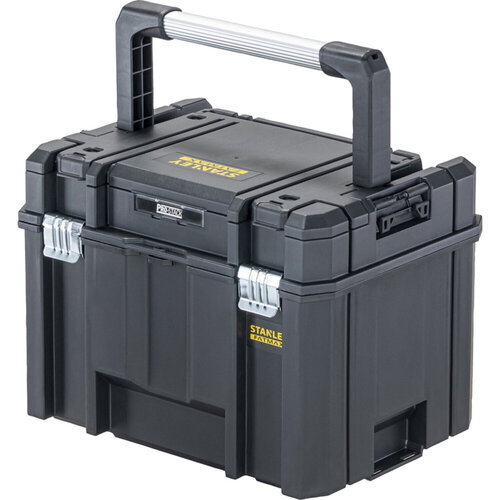
Stanley Fatmax Pro-Stack Deep Box with Organiser Top
PRO-STACK deep box with organiser top for tools and small parts storage
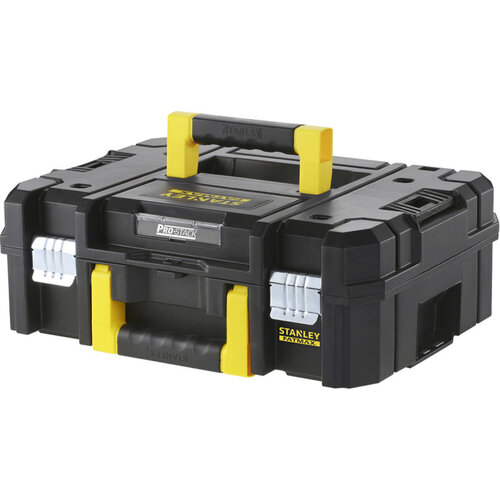
Stanley Fatmax Pro-Stack Shallow Box
Stanley Fatmax Pro-Stack shallow box, 13.5 litres, with padlock eyes
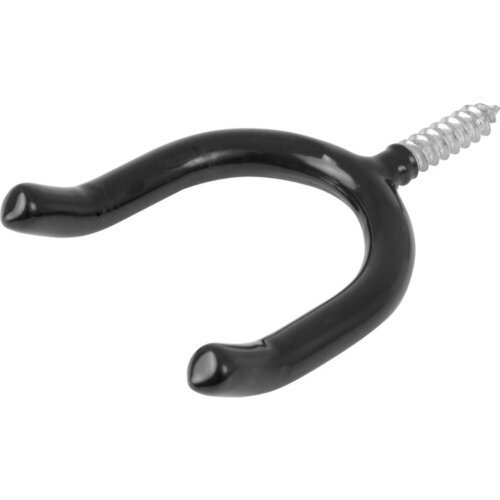
Heavy Duty Tool Holder - Universal Holder
Heavy-duty universal tool holder for storing various tools
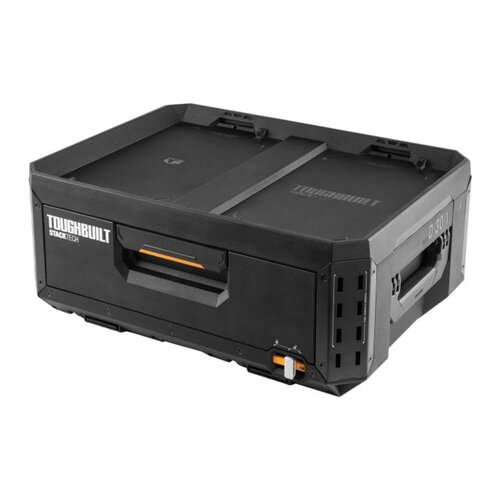
Toughbuilt StackTech Tool Box - 1-Drawer
ToughBuilt StackTech one-drawer tool box with eight dividers
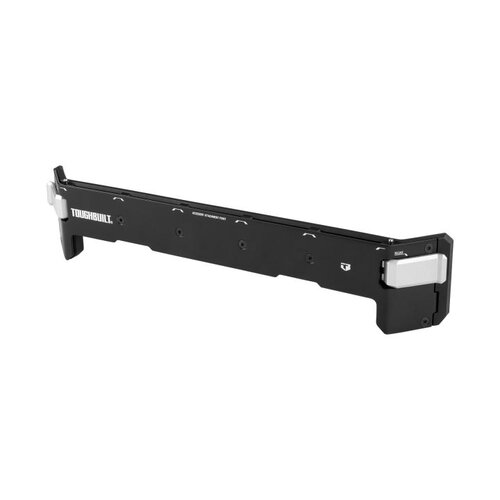
Toughbuilt StackTech Bar
ToughBuilt StackTech steel bar with five storage positions
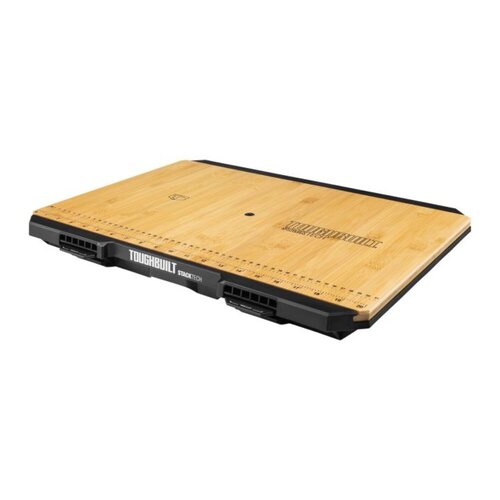
Toughbuilt StackTech Work Surface
ToughBuilt StackTech bamboo work surface with storage compartments
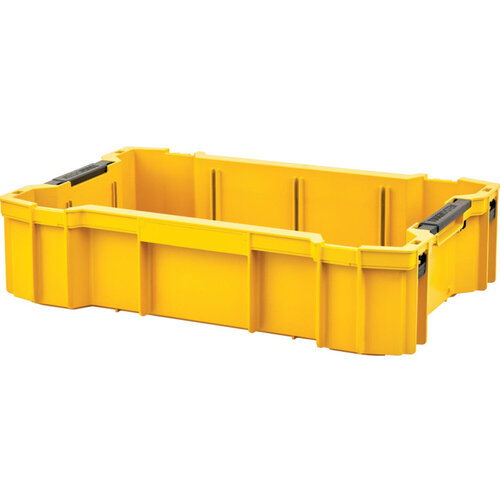
Dewalt ToughSystem Deep Tray - 2"
DeWalt ToughSystem deep tray, yellow, 468x305x110mm
For the Trade
Start with where it’s going and how much kit it has to hold. That usually rules out half the options straight away. A fixed workshop setup needs different tool storage systems to a van or site compound. Footprint matters first. Get that wrong and you feel it later, not in the finish or the extras. Once the space and use are clear, decide whether you need a simple tool storage solution that keeps everything together, or a more structured layout with shelves and compartments for quicker access. The neatest setup is no use if it blocks the aisle or slows the job down.
Tool Storage System Options Compared
The practical split is between a fixed workshop layout and site tool storage. If the kit stays put, shelving or a rack system keeps fast-moving items in sight and stops you stacking boxes on the floor. If it has to travel, a lighter setup makes loading quicker and cuts the dead weight you’re hauling between jobs.
A proper Tool Storage setup is about that balance, not just holding more gear. Buying for capacity alone often leaves you with a layout that slows you down when you’re reaching for the same bits all day.
Choosing Materials and Size
If the kit stays in one place, go for heavier tool storage systems with proper shelving or a rack layout. They take more weight and keep larger items in view.
If it’s going in and out of a van or across jobs, a lighter tool storage solution is usually the better call. Handling matters more than sheer capacity, though you do give up some rigidity.
Check the footprint against the space you’ve actually got, not the space you wish you had. For sorted access to fixings and small parts, Tool Storage Drawers make more sense than open storage. If you’re carrying food or drinks as well as kit, Coolers sit alongside the rest of the setup without taking over the main storage.
Completing the Setup
Once you’ve picked the main setup, the next call is what sits around it. In a workshop, that usually means storage for consumables and fixings that stays close without taking over the working face.
If smaller kit needs to stay sorted, drawers are the usual move. On site, you’re often better with something that closes down properly so loose gear isn’t ending up everywhere in the van.
A tool storage solution only works if the surrounding pieces suit the way you work. Too much open storage and it gets messy. Too much closed storage and you’re forever opening boxes to find one item.
Related searches
Local availability for Tool Storage Systems




