Aluminium Radiators
Aluminium radiators are often chosen when you need a lighter unit that responds quickly, so they suit jobs where warm-up time matters more than stored heat. They are worth a look where access or handling is awkward, but if the spec needs more thermal mass, another material may be the better fit.
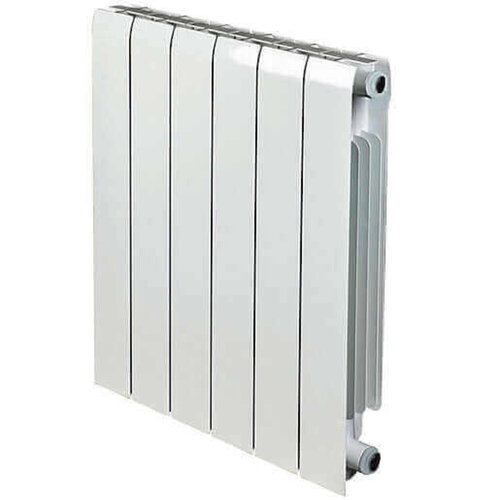
Grant Afinia Horizontal 6 Panel Radiator Kit - 680mm x 480mm aluminium
Aluminium horizontal 6 panel radiator kit, 680x480mm
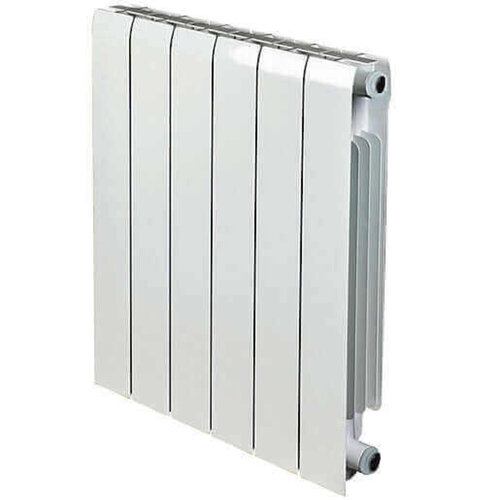
Grant Afinia Horizontal 15 Panel Radiator Kit - 680 x 1200mm Aluminium
Aluminium horizontal 15-panel radiator kit, 680 x 1200 millimetres
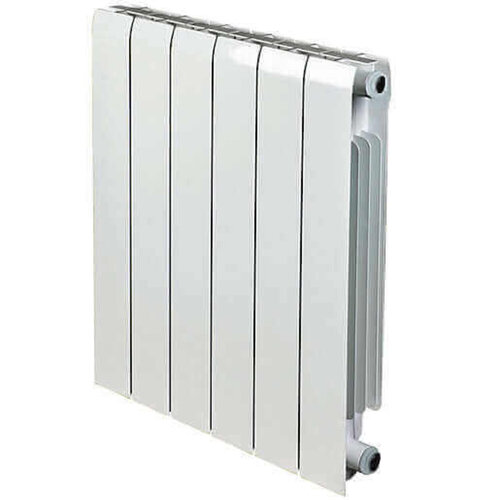
Grant Afinia Horizontal 12 Panel Radiator Kit - 680mm x 960mm aluminium
Aluminium radiator 680 x 960 mm, 5074 Btu, 15-year guarantee
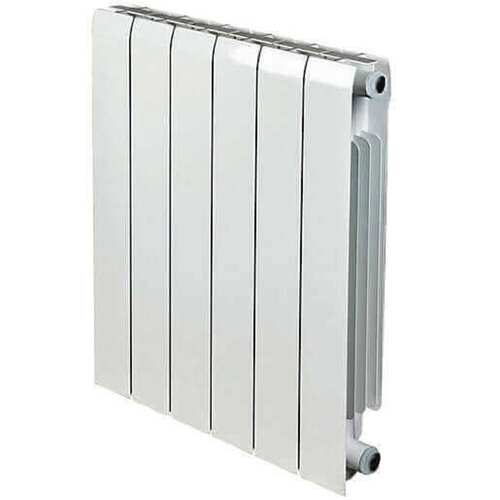
Grant Afinia Horizontal 10 Panel Radiator Kit - 680 x 800mm Aluminium
Afinia horizontal aluminium radiator, 10 panels, 680 x 800mm, 4228 Btu
For the Trade
When you’re pricing aluminium radiators, start with the space and the fixings, not the finish. You’ll usually pick them where weight matters, where the wall build won’t thank you for a heavy unit, or where you want a quicker response than bulkier metal radiators. Then the wall space decides the shape - vertical for a tight run, horizontal when you’ve got the width. After that, it comes down to handling, output, and how much room you’ve actually got to work with. Get that wrong, and it’s the comeback you’ll be dealing with.
Aluminium Radiator Types and Layouts
Start with the layout the job needs. Vertical aluminium radiators suit tight wall runs where floor space matters. Horizontal versions are the usual pick for a standard opening, especially when you want a cleaner swap from an existing radiator.
The lighter weight helps with handling and fixing. The trade-off is usually output against the space you’ve got, so don’t let shape make the decision for you. On a straight replacement, check the existing Radiators first, then match the format to the room rather than forcing a style that only looks neat on paper.
What to Check Before You Buy
If you’re choosing aluminium radiators, start with handling versus output shape. The lighter weight makes them easier to get upstairs and onto the wall, which helps on refurb work where access is awkward or the fixings are marginal. That same lighter build also changes how the unit feels in use: it usually comes up to temperature quickly, so it suits rooms where you want a fast response rather than a heavy store of heat.
Vertical aluminium radiators suit tight wall space and a narrow footprint. Horizontal aluminium radiators make more sense where you’ve got a standard opening and want a simpler swap. Finish and profile matter as well. Some aluminium radiator styles sit quietly in plain rooms. Others are better when the run is on show.
If you’re adding extras, Radiator Covers change the look, while Radiator Foil is the add-on you buy when the heat loss behind the unit is worth dealing with.
Useful Alongside Aluminium Radiators
Once the radiator’s chosen, the next call is what sits around it. On a refurb, that usually means checking whether you need a cover for the finished room, or whether the wall behind needs sorting because the old unit has left marks or cold patches.
Aluminium radiators are often picked for quick response, but the surrounding finish still needs to be right. If the wall is exposed or draughty behind the unit, radiator foil can be worth adding. If the room needs a cleaner final look, a cover is the bit that changes it most.
Related searches
Local availability for Aluminium Radiators

